Sentenced to Be a Hero Season 1 Ending Explained: The Grim Reality of Penal Hero Unit 9004
Dark fantasy anime has been trying to outdo itself for years, but Sentenced to Be a Hero: The Prison Records of Penal Hero Unit 9004 (Yuusha-kei ni Shosu) genuinely feels like a turning point for the genre. After finishing the explosive 60-minute finale and rewatching key moments, I can confidently say this series doesn’t just twist the “chosen hero” trope — it drags it through the mud and forces it to confess its sins.
As a long-time fan of morally gray fantasy filled with suffering, politics, broken systems, and heroes who actually pay the price, this one hit differently. The ending of Season 1 doesn’t simply close a chapter — it redefines what heroism even means in dark fantasy anime.
The Fall of Mureed Fortress: Victory Without Glory
The climax at Mureed Fortress is not your typical final battle. There’s no triumphant anthem, no shining armor moment, and no emotional speech about hope conquering evil. Instead, what we get is desperation. Raw, suffocating desperation.
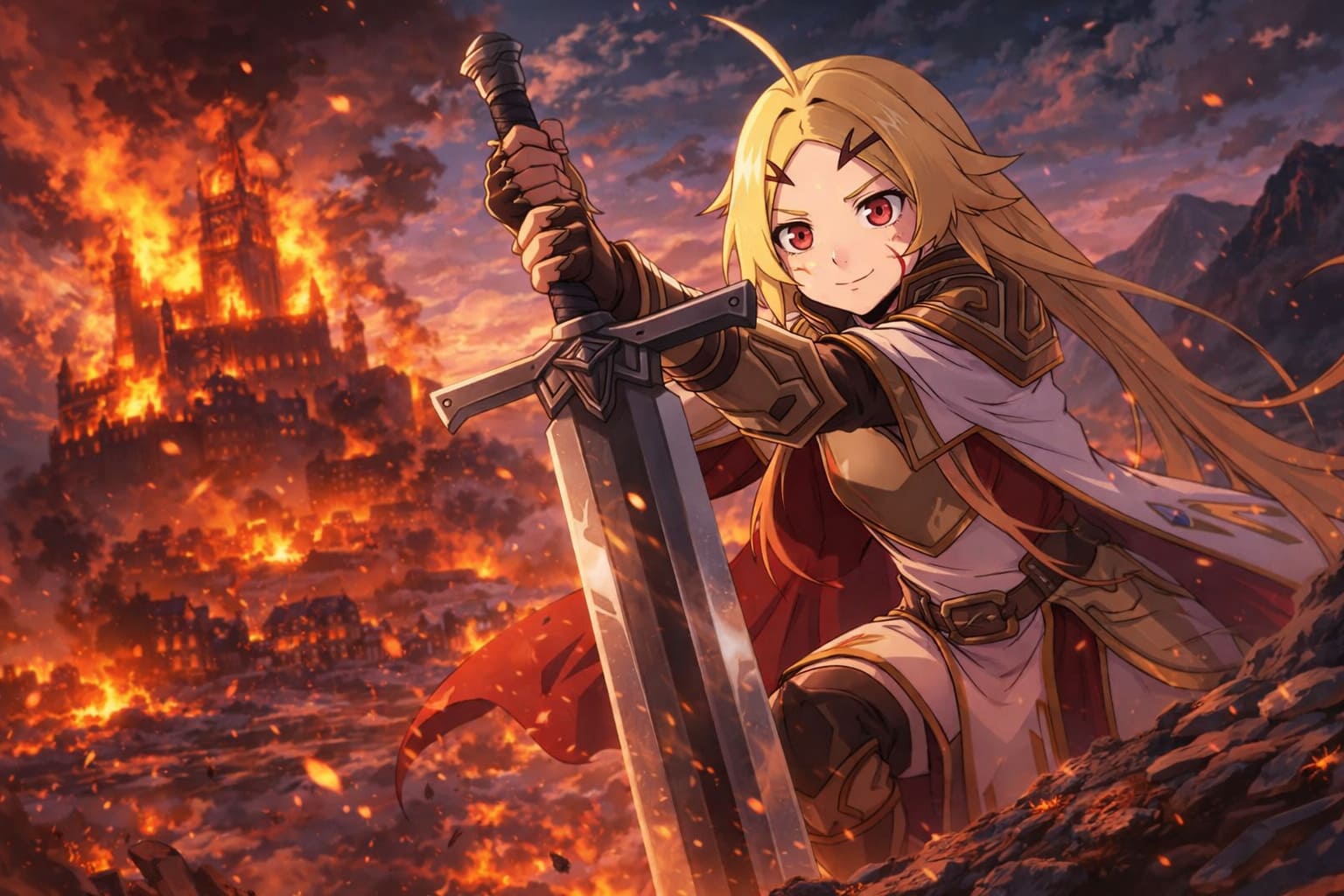
Xylo Forbartz and Penal Hero Unit 9004 repel the immortal Demon Lord Iblis, but it doesn’t feel like a win. It feels like survival. And survival in this world is cruel.
- The heroes are immortal by punishment, not blessing
- Each resurrection chips away at their memory and humanity
- Death isn’t escape — it’s just another layer of torment
Unlike most dark fantasy series where immortality is a gift or a power fantasy, here it’s closer to eternal damnation. The concept of Perpetual Resurrection is one of the most disturbing elements of the story. Souls are forcibly dragged back and shoved into reconstructed bodies with no peace and no consent. That final battlefield scene doesn’t say “We did it.” It says, “You will fight again. And again. And again.”
Top 10 Most Romantic Moments in Tune In to the Midnight Heart That Stole Our Hearts
Xylo Forbartz: The Hero Branded a Traitor
Let’s be honest — Xylo is one of the most compelling protagonists we’ve seen in recent years of dark fantasy anime. Nicknamed the “Thunder Falcon,” he was once a respected captain of the Holy Knights. The Season 1 finale finally exposes the truth behind his sentence, and it reframes everything we thought we knew about him.
He wasn’t corrupted. He wasn’t power-hungry. He wasn’t reckless. He was framed.
Ordered into a fake rescue mission designed as a suicide operation, Xylo found himself facing something far worse than death: his goddess Senerva succumbing to corruption by the 11th Demon Lord. Instead of allowing her to become a monster and slaughter countless innocents, he made the unbearable choice to end her life himself.
The Temple could not allow that truth to surface. A goddess falling to darkness would shatter the illusion of divine perfection. So they rewrote the narrative and turned Xylo into a criminal. The real villain of Season 1 isn’t Iblis. It’s the system that thrives on lies.
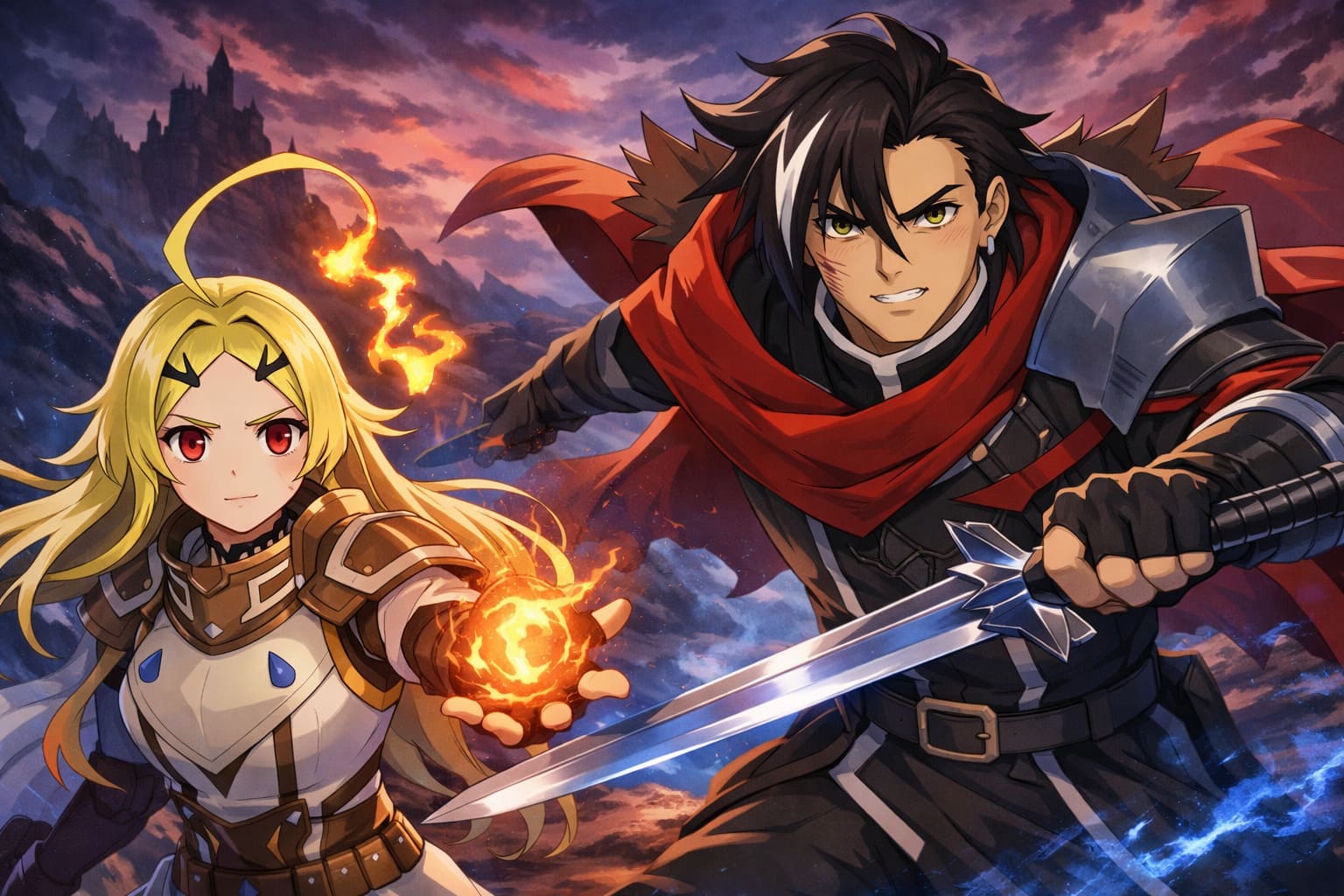
The Temple’s Corruption: The True Final Boss
If the ending proves anything, it’s that the religious hierarchy is more terrifying than any demon lord. The Temple manipulates hero sentencing, covers up goddess corruption, weaponizes immortality, and maintains control through propaganda and fear.
This is where Sentenced to Be a Hero elevates itself above typical fantasy anime. It’s not just about monsters. It’s about institutional rot. The world isn’t broken because of demons. It’s broken because those in power refuse to admit their own failures.
Tune In to the Midnight Heart Summer Vacation Arc: Swimsuit Details & Chapter Guide
Teoritta: Not a Goddess — A Living Weapon
Teoritta might be the most fascinating character in the series. Unlike distant divine figures common in fantasy stories, she is emotionally dependent, unstable, and painfully human in her needs. The revelation that goddesses are essentially ancient biological weapons changes everything.
- They require praise to remain stable
- They feed off emotional validation
- Without affection and reassurance, they deteriorate
Her bond with Xylo is not built on blind worship. It’s mutual survival. When she calls him “Waga Kishi” — My Knight — in the final scene, it feels less like divine hierarchy and more like partnership forged in trauma. Even after learning that Xylo killed his former goddess, she chooses to stay. That decision says more about trust, desperation, and autonomy than any sermon the Temple could preach.
Post-Credit Scene: A Shift Toward Conspiracy
The post-credit sequence shifts the narrative from battlefield tragedy to political thriller. We’re introduced to a demon lord capable of blending into human society, an elite assassin group targeting Teoritta, and the looming power struggle surrounding the Chief High Priest election.
This changes the scale of the story. The threat is no longer just external invasion. It’s infiltration, ideology, and systemic decay.
Then there’s Kivia. After uncovering corruption involving her own uncle and the demon blight scandal, she too is sentenced to become a hero — not for justice, but to silence scandal. Her inevitable addition to Penal Hero Unit 9004 promises a dramatic shift in internal dynamics for Season 2.
Anime vs Light Novel: What Was Softened?
The anime adaptation delivers strong production values and emotional weight, but some of the grimmest elements from the light novel were toned down. The novels describe the resurrection process in horrifying detail, including bodies stitched from corpses and souls dragged back against their will.
| Element | Anime Version | Light Novel Version |
|---|---|---|
| Resurrection | Traumatic and painful | Graphic corpse reconstruction and forced soul return |
| Political Intrigue | Hinted at | Deeply detailed and manipulative |
| Psychological Damage | Implied | Explicit and prolonged deterioration |
The anime remains intense, but the novels push the horror further. If Season 2 embraces that depth, it could redefine the boundaries of dark fantasy storytelling.
Why the Ending Works
What makes the Season 1 ending resonate isn’t shock value. It’s thematic consistency. The message is brutally clear: heroism in this world is a sentence. There are no statues, no celebrations, and no retirement.
Xylo’s past engagement to Frenci Mastibolt reminds us that he once had a normal future. But penal heroes are legally dead. Even if the war ends, his freedom will not return. That final implication lingers longer than any battle scene.
Final Thoughts
With layered politics, morally complex characters, and a refusal to romanticize suffering, Sentenced to Be a Hero stands out as one of the boldest dark fantasy anime of recent years. It doesn’t glamorize pain. It examines it, weaponizes it, and forces its characters to live through it repeatedly.
If Season 2 dives deeper into Temple corruption, demon infiltration, and the psychological collapse of immortal soldiers, we may be witnessing the rise of a modern dark fantasy classic. And honestly, as a fan, I’m both excited and terrified to see what this world does next.