
Xylo vs. Senerva: The Tragic Truth Behind the “Goddess Killer” in Sentenced to Be a Hero
Dark fantasy anime rarely sticks with me the way Sentenced to Be a Hero (Yuushakei ni Shosu) does. Plenty of series promise moral ambiguity and trauma, but few actually commit to it. The story of Xylo Forbartz and the so-called “Goddess Killer” isn’t just edgy backstory — it’s the emotional backbone of the entire narrative. And honestly? The deeper you look into the Xylo vs. Senerva conflict, the less it feels like betrayal… and the more it feels like one of the most painful acts of mercy in modern anime.
The Cruel Irony of Being a “Hero”
In this world, being sentenced as a Hero isn’t glorious — it’s punishment. Criminals are forced to fight the spreading Demon Blight, dying over and over again in endless combat cycles. Resurrection sounds like a blessing, but it’s anything but. Each revival strips away something essential: memories, emotions, fragments of the soul, and pieces of humanity. Over time, heroes become hollow weapons. That’s why Xylo is different.
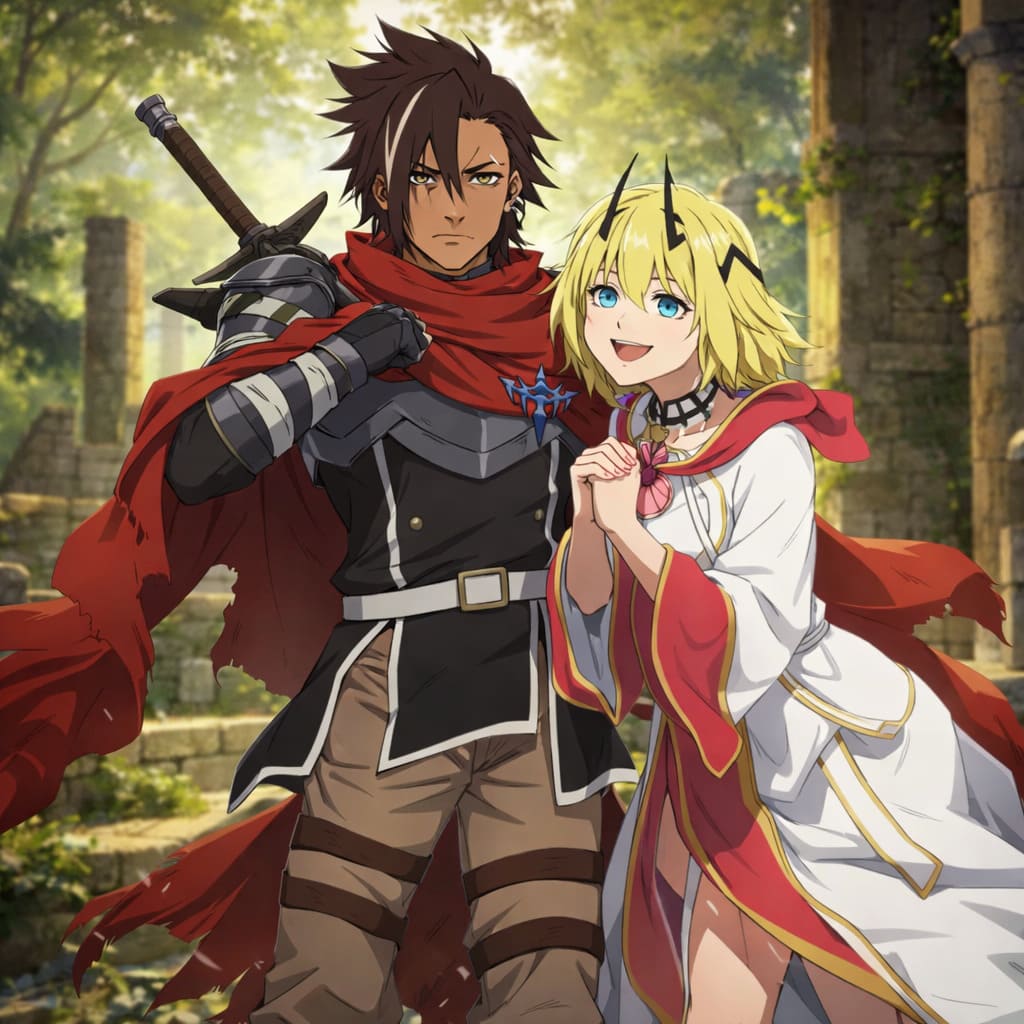
Unlike the other penal heroes, Xylo wasn’t some disposable criminal from the start. He was a respected Holy Knight — disciplined, intelligent, and deeply devoted to his Goddess, Senerva. His fall from grace is what makes the story hit so hard. Because officially? He murdered her.
The Official Narrative vs. The Truth
The Church’s version is simple: Xylo led his men into a reckless mission for personal glory. When everything collapsed, he killed Senerva in cold blood. Clean. Convenient. Politically useful.
But the deeper lore suggests something far darker. From what we understand in the light novel context, the incident wasn’t incompetence — it was a set-up. Xylo was ordered to rescue a unit that likely never existed. Reinforcements never came. Senerva was forced to overextend her divine output. She became infected with the Demon Blight. And that infection is terminal for a Goddess.
Here’s the twist that redefines everything: Senerva wasn’t truly divine. She was a man-made living super-weapon, engineered to output massive magical energy while being psychologically dependent on human praise. That design flaw — the need for validation — may have accelerated her corruption.
So when she fell to the Blight, Xylo made an impossible choice. He killed her. Not out of hatred. Not out of ambition. But to stop the infection from spreading. To spare her from becoming something monstrous. To protect the world from the weapon she would become. That’s not villainy. That’s tragedy.
Xylo vs. Senerva — A Power Comparison
If we strip away the emotion and look purely at power scaling, the dynamic is fascinating.
| Aspect | Senerva | Xylo |
|---|---|---|
| Nature | Artificial Goddess | Human Holy Knight |
| Strength | Massive magical output | Tactical combat genius |
| Weakness | Psychological dependency | Emotional guilt |
| Corruption Risk | High (Demon Blight susceptible) | Gradual soul erosion |
| Core Drive | Desire for praise | Refusal to forget the truth |
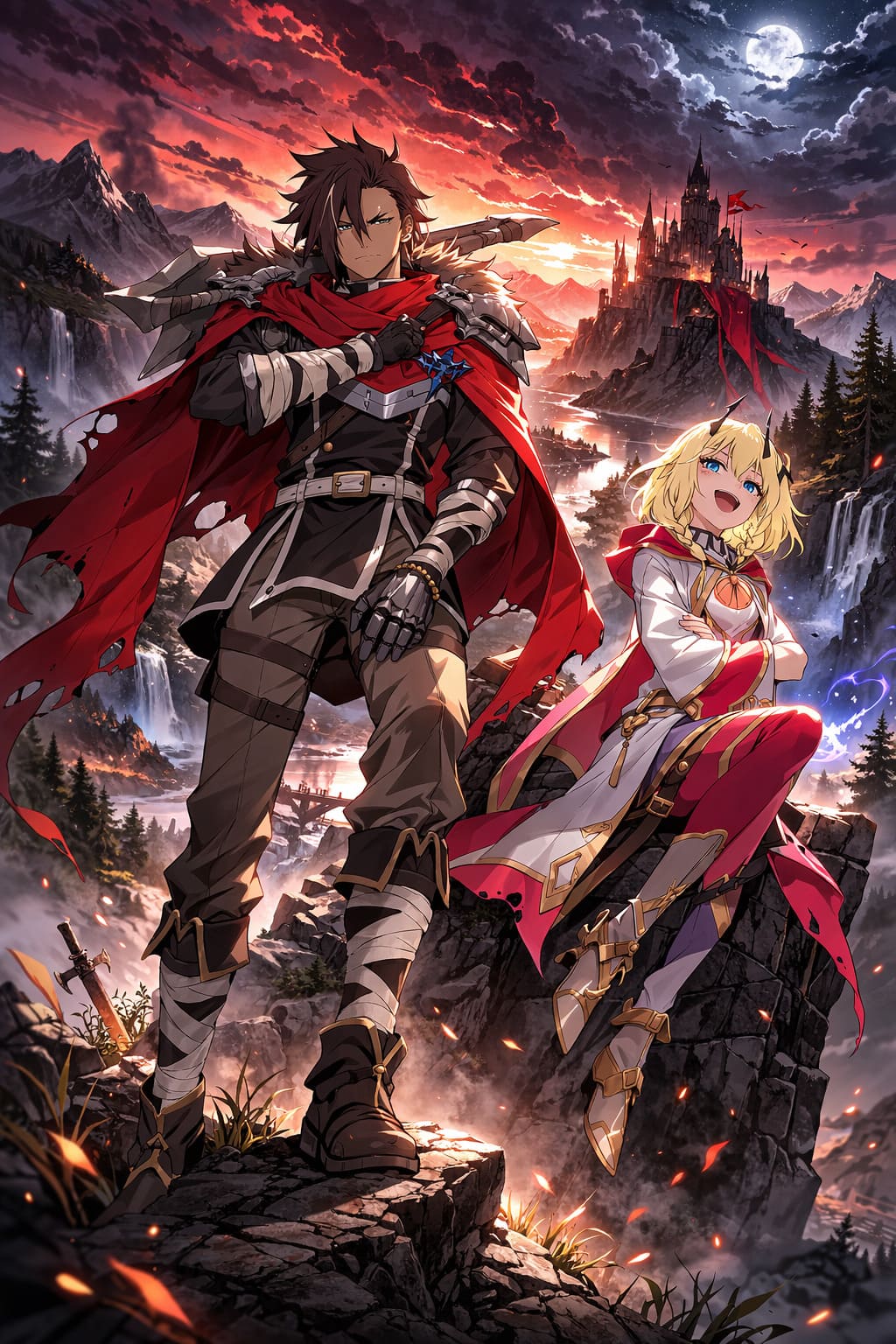
In a straight fight, peak Senerva probably overwhelms most opponents instantly. But Xylo’s strength isn’t raw output — it’s strategy and willpower. In the anime adaptation, he appears reactive and burdened by guilt. But in the novel, he’s cold, calculating, almost terrifyingly composed. He survives not because he’s the strongest — but because he refuses to lose what little remains of himself.
Other heroes die to escape pain. Xylo fights to stay alive — because every death risks losing the memories of what really happened. And if he forgets the truth, the conspiracy wins.
Why This Conflict Hits Harder Than Most Dark Fantasy
What makes Sentenced to Be a Hero stand out in the dark fantasy anime genre isn’t just violence or moral ambiguity. It’s systemic corruption. The series critiques weaponized faith, manufactured divinity, disposable soldiers, and political scapegoating. Xylo isn’t just a tragic knight. He’s a threat to the system.
If the truth about Senerva being an artificial weapon gets exposed, the Church and military hierarchy crumble. If the mission was fabricated, then someone high up orchestrated everything. There’s a strong implication that high-ranking officials needed Xylo removed, Senerva’s instability was known, and the mission was designed to fail. If that’s true, then the “Goddess Killer” title is propaganda.
The Emotional Core: Teoritta as a Mirror
One of the smartest narrative choices in the series is introducing Teoritta. Like Senerva, she’s a living weapon. Unlike Senerva, Xylo refuses to treat her as one.
His new partnership isn’t just plot progression — it’s psychological repair. Protecting Teoritta is Xylo’s way of correcting the past. Where he once had to destroy a corrupted goddess, now he’s determined to save a weapon before the system consumes her. That parallel is devastatingly effective.
It shows that beneath Xylo’s hardened exterior is someone still capable of care — someone desperately trying to redeem himself in a world that already judged him guilty.
How Strong is Teoritta from Sentenced to Be a Hero? Power Level & Abilities Explained
Is Xylo Really the “Goddess Killer”?
Here’s my personal take as someone who devours dark fantasy anime: Xylo isn’t a goddess killer. He’s the only one who had the courage to end a lie.
The tragedy of Senerva isn’t that she died — it’s that she was never allowed to truly live as anything other than a tool. Her corruption wasn’t just magical; it was systemic. She was built to burn out. And Xylo was forced to pull the trigger.
That’s what makes this conflict unforgettable. It isn’t about who would win in a fight. It’s about what heroism actually costs in a broken world.
Final Thoughts
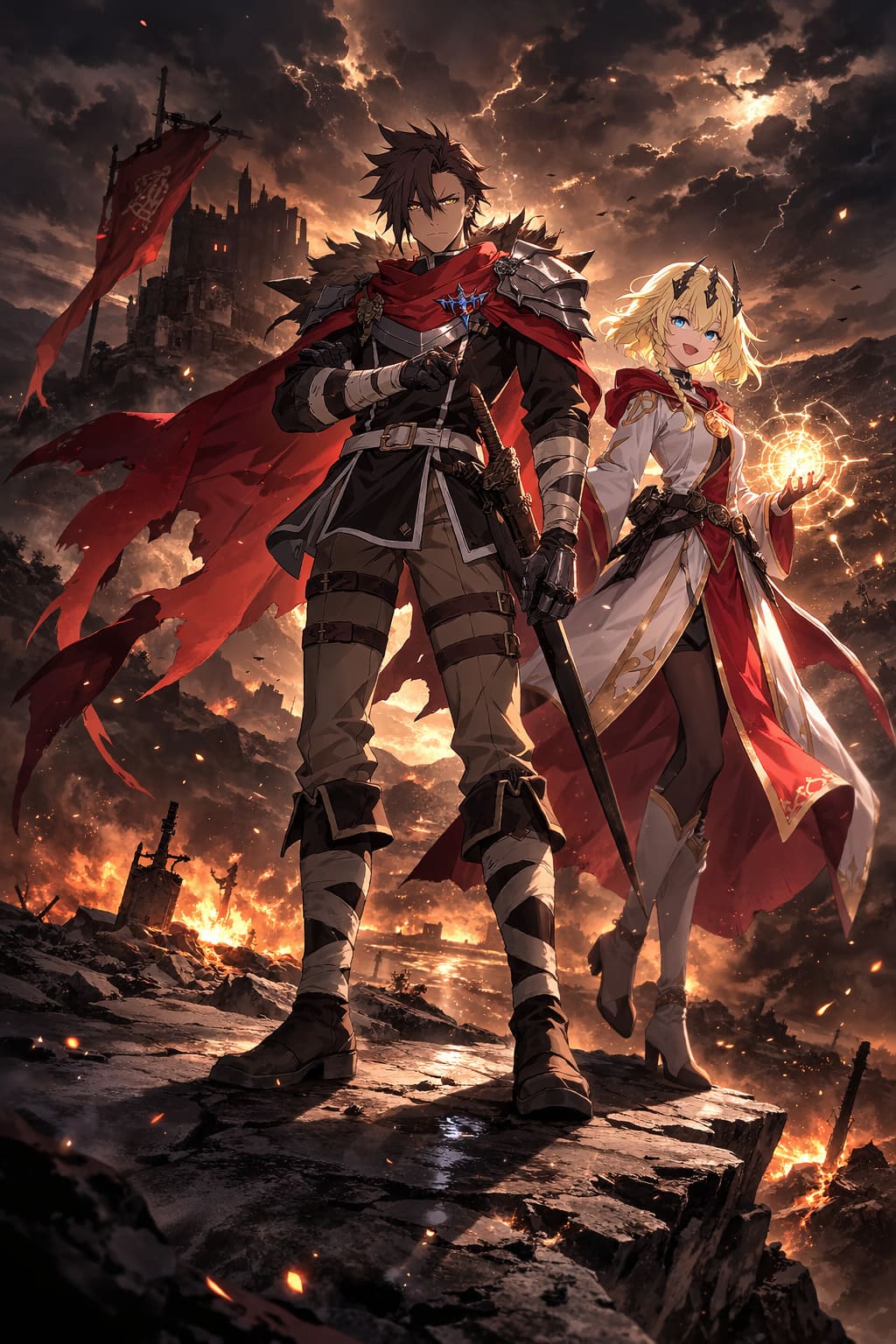
The Xylo vs. Senerva storyline elevates Sentenced to Be a Hero from a standard revenge-fantasy to a layered critique of power, faith, and institutional control. It asks uncomfortable questions: What happens when gods are manufactured? Who defines justice? Is mercy still mercy if history rewrites it as murder?
Whether Xylo will ever clear his name remains uncertain. But one thing is clear — the emotional weight of his decision is the driving force behind the series’ rising popularity. And for fans of dark fantasy anime who crave something heavier than surface-level angst, this story delivers.


