Granbell Rosso vs Hinata Sakaguchi: The Ultimate Clash of Heroes in Tensei Shitara Slime Datta Ken
If you’ve been following That Time I Got Reincarnated as a Slime, you probably came for the kingdom-building, stayed for Rimuru’s evolution, and weren’t fully prepared for the emotional gut punch that is Granbell Rosso vs Hinata Sakaguchi. While anime-only fans watching on Crunchyroll are still processing Hinata’s clashes with Rimuru, light novel readers know that the true ideological explosion of the series isn’t Rimuru versus Hinata — it’s Hinata versus Granbell. And honestly, this is one of the most underrated and thematically powerful confrontations in the entire franchise.
The Old Hero vs The Reluctant Successor
At first glance, this feels like a standard power struggle between two elite human figures. But beneath the surface, it’s a generational war disguised as a duel. Granbell Rosso isn’t just a manipulative elder pulling strings from the shadows. He is a former True Chosen Hero, a disciple of Rudra, and a man who has carried the burden of heroism for over a thousand years. Hinata Sakaguchi, leader of the Ten Great Saints, represents the sharpest weapon humanity currently possesses — disciplined, calculating, and fiercely loyal to the order established under Luminous Valentine.
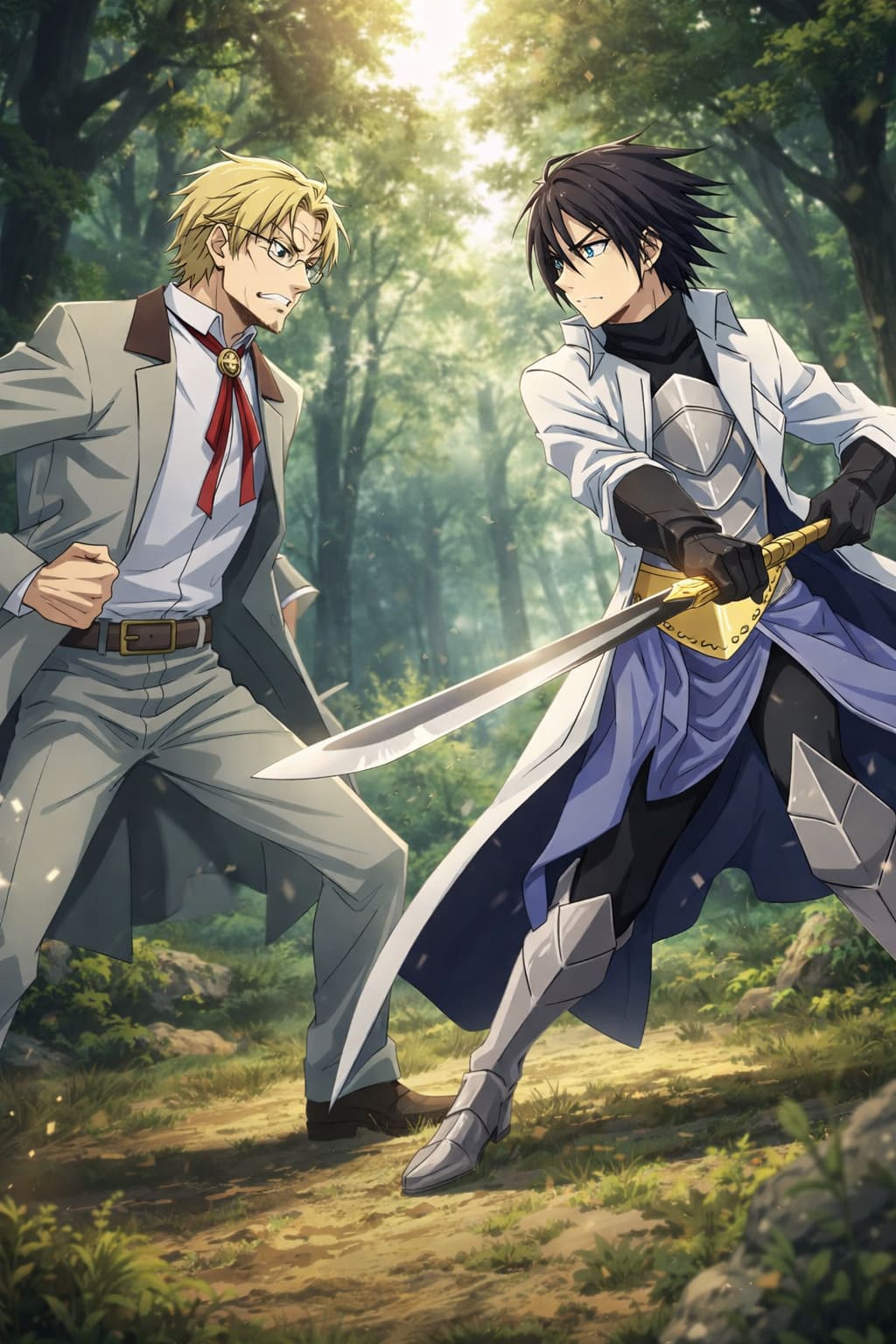
This was never about territory or pride. It was about philosophy. Granbell believed that peace weakens humanity. In his view, humans require a constant, overwhelming threat to sharpen their resolve and evolve. Stability creates complacency. Hinata, on the other hand, stood for structured protection, order, and controlled strength under faith and systemized authority. Their clash is essentially a debate about what humanity needs to survive in a world ruled by Demon Lords and ancient monsters.
What makes it tragic is that Granbell didn’t fight Hinata out of hatred. He fought her to force her to evolve. In his mind, she either had to awaken as a True Hero or fall so that someone stronger could take her place. That level of conviction is terrifying — and heartbreakingly sincere.
Power Scaling: Experience vs Potential
Of course, this is Tensura, so ideology is backed by overwhelming power. When both fighters stand at their peak, the difference isn’t just numerical — it’s historical.
| Trait | Hinata Sakaguchi | Granbell Rosso |
|---|---|---|
| Combat Experience | Decades | Over 1,000 Years |
| Ultimate Skill | Fortuna (later evolution) | Sariel, Lord of Hope |
| Signature Technique | Melt Slash | Truth Sword & Disintegration |
| Status | Saint on the verge of True Hero | Rejuvenated Former True Hero |
When Granbell regains his youth, he doesn’t simply become “strong for his age.” He returns to a level where his presence on the battlefield rivals that of Luminous Valentine herself. Hinata is undeniably a prodigy — one of the most technically skilled human combatants in the series — but against someone who has refined strategy, magic, and swordsmanship for a millennium, raw talent alone is not enough. Experience becomes a weapon in itself. Granbell reads movements before they happen. He pressures psychologically. He carries the weight of countless battles.
The Soul Absorption Twist: A Hero Who Fell Too Far
Then comes the moment that shifts the fight from epic to devastating. Granbell absorbs the souls of those dear to him to reclaim his prime strength. This is not the act of a cartoon villain craving domination. It is the act of a broken hero who has convinced himself that sacrifice — no matter how horrific — is justified if it guarantees humanity’s survival.
When he ultimately delivers a fatal blow to Hinata, the scene does not feel triumphant. It feels exhausted. There is no glory in it. Only inevitability. Yet even in that grim climax, Granbell acknowledges her growth. By passing down the sword Truth, he symbolically transfers the responsibility of heroism to her. It is not mockery. It is recognition. He finally sees that she has developed the resolve he believed humanity required.
Why This Fight Changes the Entire Series
Up to this arc, That Time I Got Reincarnated as a Slime balances political maneuvering, city-building, and explosive battles. After Granbell versus Hinata, the tone shifts permanently.
- The Awakening of Chronoa: The confrontation directly contributes to the emergence of Chronoa, one of the most powerful and dangerous entities in the verse, escalating the narrative from political intrigue to near-cosmic stakes.
- Hinata’s Transformation: She evolves beyond being a rigid antagonist figure and becomes a layered heroine shaped by trauma, responsibility, and newfound conviction.
- The End of the Rosso Era: Granbell’s death marks the collapse of the Rosso family’s centuries-long manipulation of the Western Nations, closing a major political chapter in the story.
This is the point where Tensura stops feeling like a comfortable power fantasy and starts resembling a generational epic about legacy, ideology, and evolution.
Who Really Won?
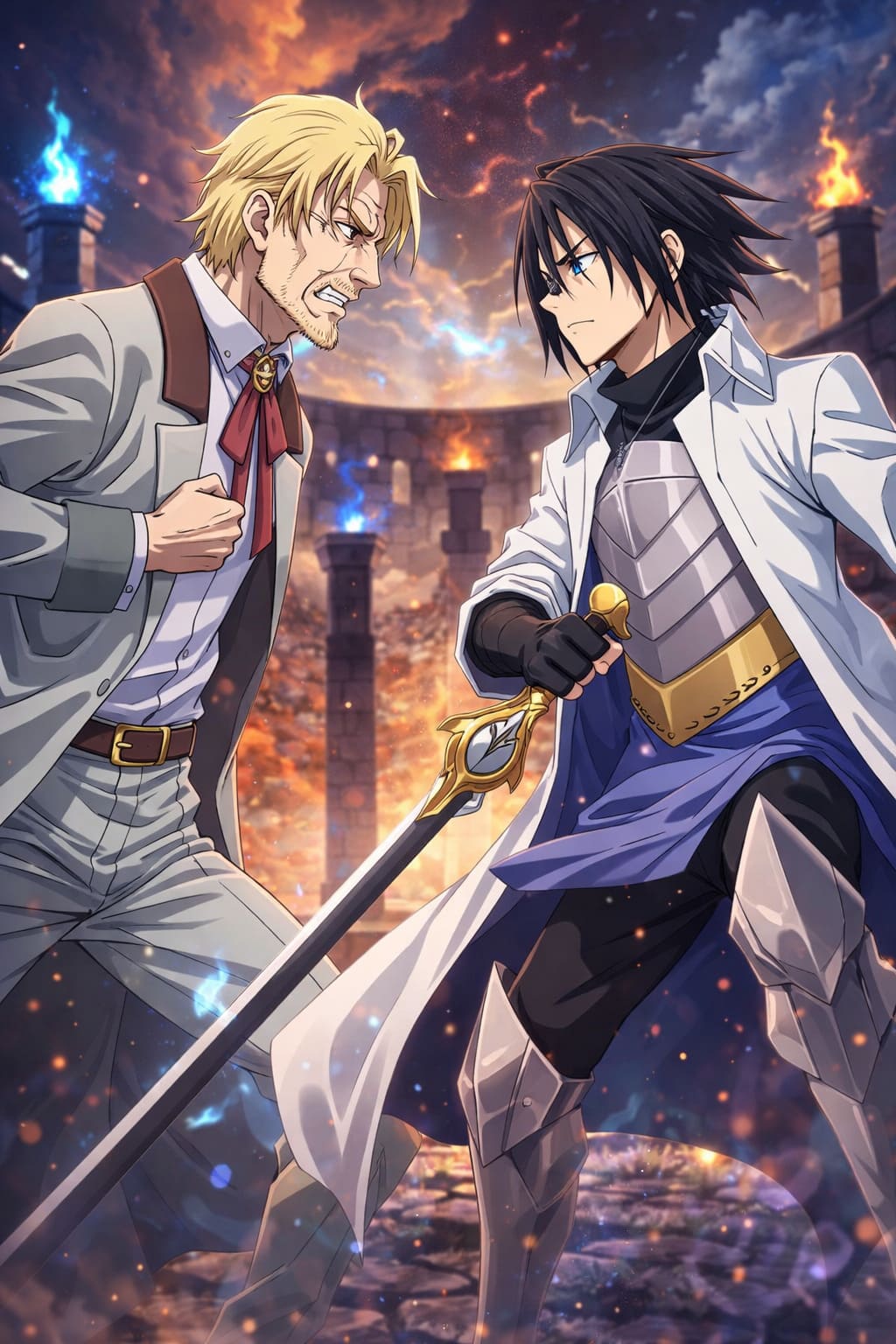
Physically, Granbell overwhelmed Hinata. His experience and regained prime proved superior in direct confrontation. Ideologically, however, he lost. His belief that humanity must be forged through manufactured suffering dies with him. Hinata survives not just in body, but in philosophy. She becomes proof that growth can come through conviction rather than forced despair.
Granbell’s death is not simply the fall of an antagonist. It is the funeral of an era. He represents the old guard — heroes forged in endless war who cannot imagine peace as strength. Hinata represents the next stage of heroism: disciplined, reflective, and capable of change.
Final Thoughts
For fans reading the Yen Press light novel releases or diving deeper into the source material after watching the anime, this arc is essential. Granbell Rosso vs Hinata Sakaguchi is more than a battle. It is a masterclass in ideological conflict, a tragic passing of the torch, and the moment Tensura matures into something far grander than a simple reincarnation fantasy.
Rimuru builds a nation. Granbell tried to harden humanity through fear. Hinata stands between those visions. And that tension is what makes this confrontation unforgettable. In the end, nobody truly walks away victorious — but humanity steps forward, changed forever.