Why the Culling Game is similar to Hunter x Hunter Greed Island?
If you’re an anime fan who loves rule-heavy arcs that reward attention and brainpower, it’s almost impossible not to compare Jujutsu Kaisen’s Culling Game with Hunter x Hunter’s Greed Island. The vibes are different, but the DNA? Shockingly similar.
Both arcs take their series’ power systems, lock them inside a brutal “game,” and tell the audience: pay attention, or you’ll fall behind. As someone who genuinely enjoys anime that treats viewers like thinkers—not spectators—this comparison feels earned.
Let’s break down why these arcs feel like spiritual cousins, and why they ultimately go in opposite emotional directions.
Why the Culling Game Feels Like Greed Island
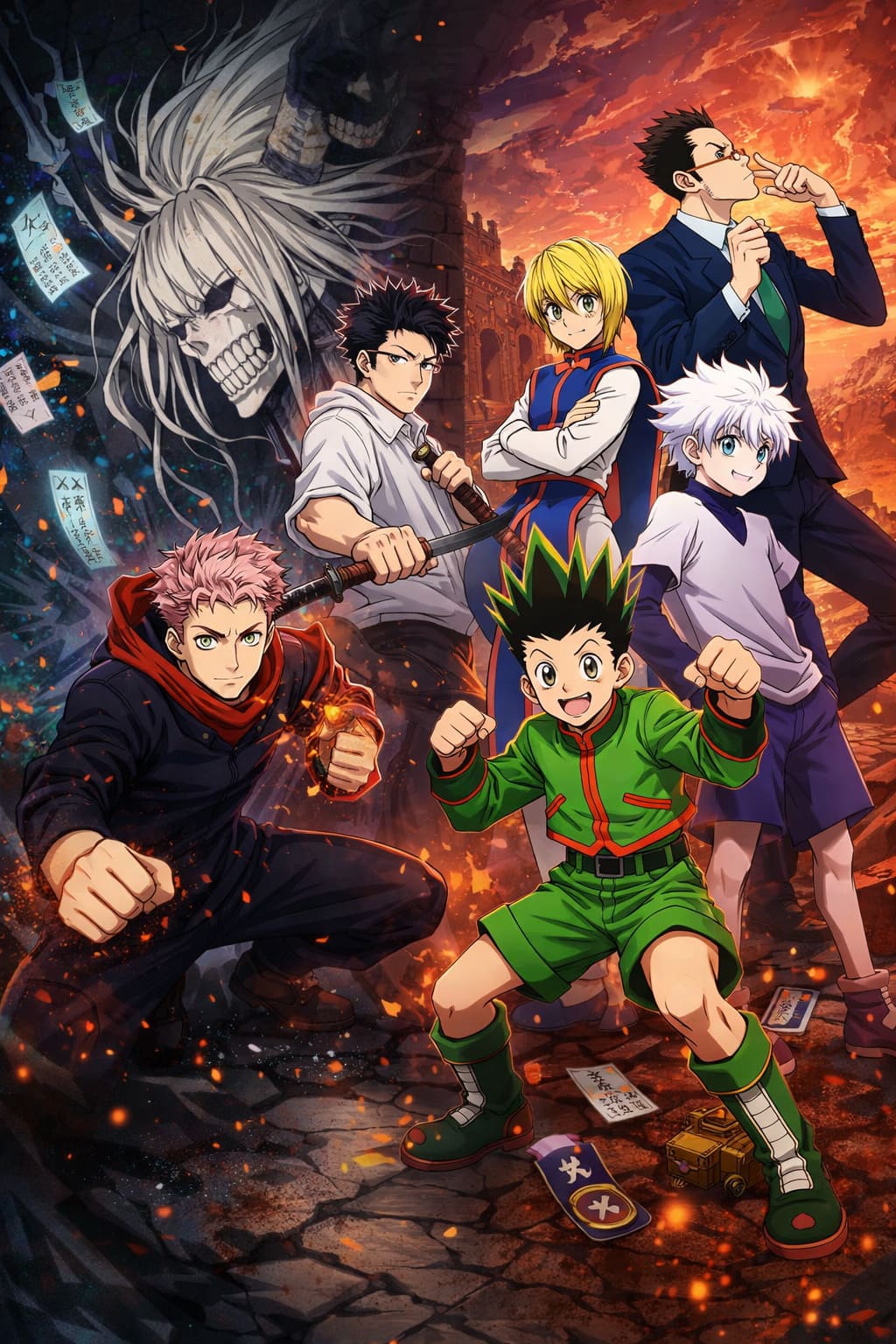
1. Rules Aren’t Flavor — They’re Survival
In both arcs, the rules are the battlefield.
- Greed Island forces players to master card mechanics, restrictions, and loopholes through the Book system. Knowledge equals power.
- The Culling Game turns points, technique confiscation, and player registration into life-or-death mechanics. If you ignore the rules, you die—literally.
What makes this compelling is that raw strength isn’t enough. Characters who think win.
2. A “Game Master” Pulling the Strings
Every deadly game needs someone watching from above.
- In HxH, figures like Ging and Razor feel distant but intentional—architects of growth.
- In JJK, Kenjaku is the dark mirror of that idea. He’s not testing humanity—he’s refining it through suffering.
Both act as unseen hands shaping evolution, but with wildly different moral intentions.
3. Resources Matter as Much as Power
One of the most underrated similarities is resource management.
- Greed Island limits inventory through card slots.
- The Culling Game turns points into currency, favors, and survival tools.
Characters like Reggie Star, Megumi, and Yuta don’t just fight—they budget, negotiate, and plan. That’s peak battle-anime satisfaction.
4. Isolated Zones With Their Own Logic
Both arcs trap characters in sealed-off environments:
- Greed Island exists outside normal reality.
- Culling Game colonies are barrier-enclosed micro-worlds.
Inside these zones, society’s rules collapse and the game’s logic becomes law. It’s controlled chaos—and anime does this trope really well.
5. Power Systems Go Full “Big Brain”
This is where fans either lock in… or drop off.
- Nen during Greed Island becomes hyper-technical.
- Cursed Energy in the Culling Game turns into mental gymnastics:
Hakari’s probability-based Domain, Higuruma’s courtroom mechanics, and layered Domain rules.
These arcs trust the audience—and reward them for keeping up.
The Core Difference That Changes Everything
Here’s where the comparison ends.
Greed Island is ultimately hopeful. It’s a twisted but loving training ground built by a father for his son.
The Culling Game?
It’s nihilistic. A ritual of mass death designed to reshape humanity by force.
One arc believes growth comes from challenge.
The other believes evolution requires annihilation.
Discover more: Reggie Star cursed technique contracts explained in Jujutsu Kaisen?
That contrast is exactly why the similarities feel so striking—and so unsettling.
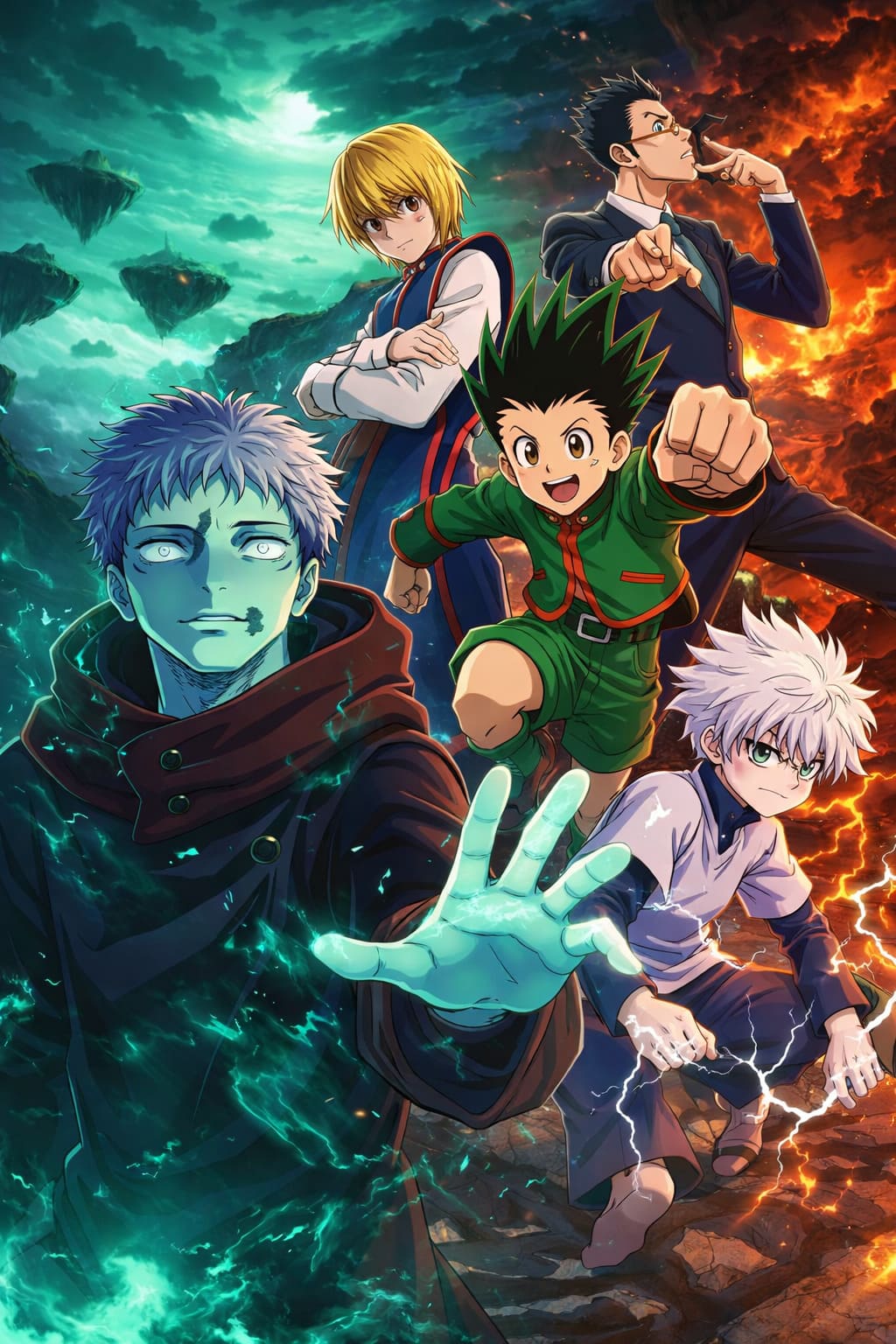
Why Anime Fans Love Both
If you enjoy anime that:
- Respects intelligence
- Uses rules as storytelling tools
- Turns combat into strategy puzzles
Then it makes perfect sense why Culling Game and Greed Island live rent-free in the same part of fandom discourse.
They’re not the same story—but they speak the same language.