Antagonists in Scum of the Brave season 1
If you walked into Yuusha no Kuzu expecting cartoonish bad guys, Season 1 corrects you fast. In this world, antagonists aren’t mustache-twirling masterminds—they’re Demon Kings, crime lords who literally purchased their evolution through Ether-Enhancement Surgery. Power isn’t inherited, it’s financed. And Tokyo’s underworld runs on invoices as much as it does on blood.
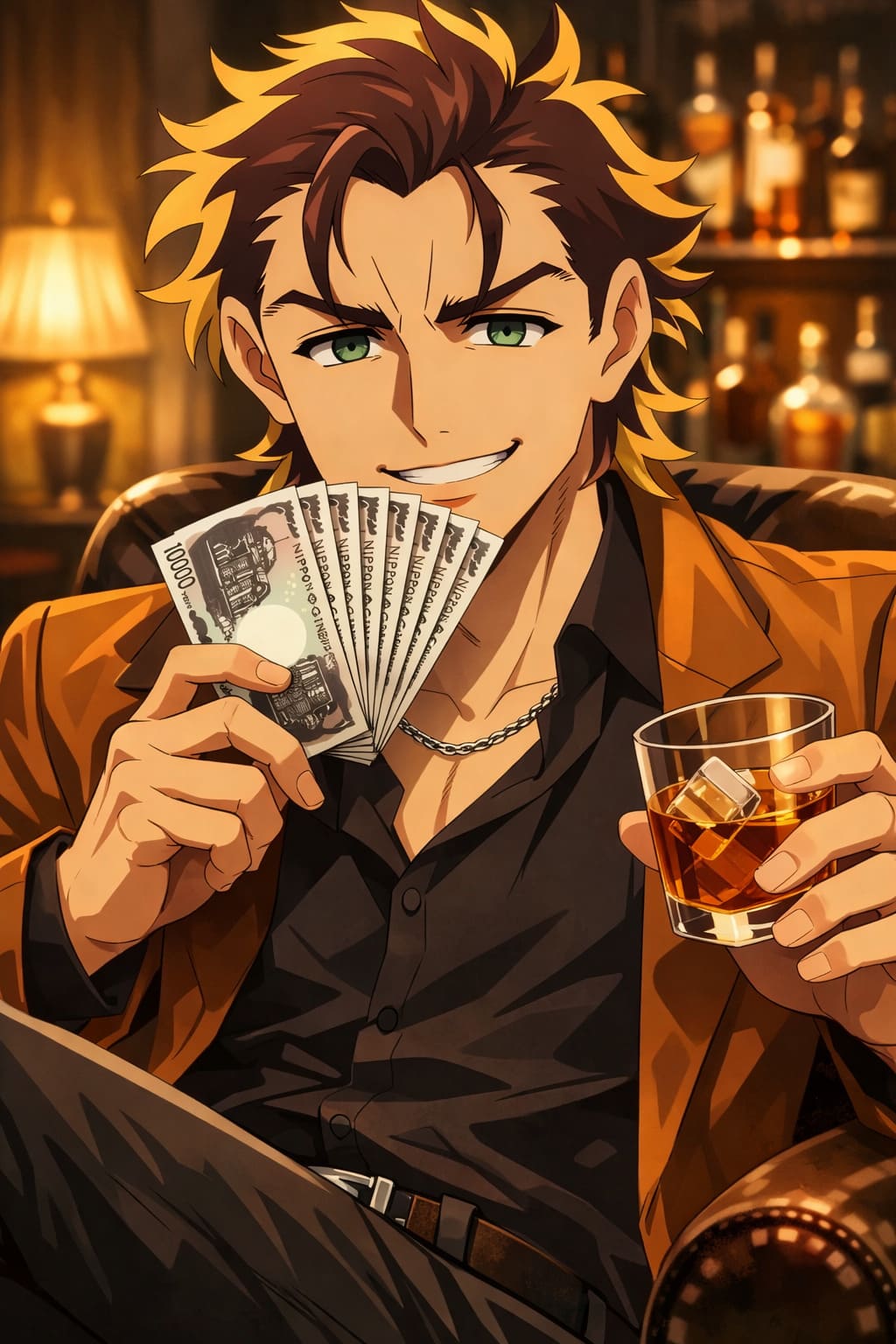
The series flips the traditional hero narrative on its head. The so-called villains are often just former “heroes” who climbed high enough to ditch the pretense. Meanwhile, the city quietly profits. Here’s a breakdown of the heavy hitters who define the first season’s brutal tone.
Related articles: How does Ether work in Scum of the Brave
- Lord “Amber Thorns” (Kohaku no Ibara): The first true wall the protagonists slam into. A top-tier mafia boss, he embodies what peak surgical Ether modification looks like. His invisible thorn-whips slice through flesh or paralyze in an instant, turning any encounter into a one-sided execution. He kidnaps someone close to Aki, dragging the retired and cynical Yashiro back into the game with a 20-million-yen bounty. His existence proves a cruel truth: in this Tokyo, money doesn’t just talk—it mutates.
Amber Thorns isn’t just a boss fight; he’s a thesis statement. Natural talent means nothing when someone else can bankroll a better body.
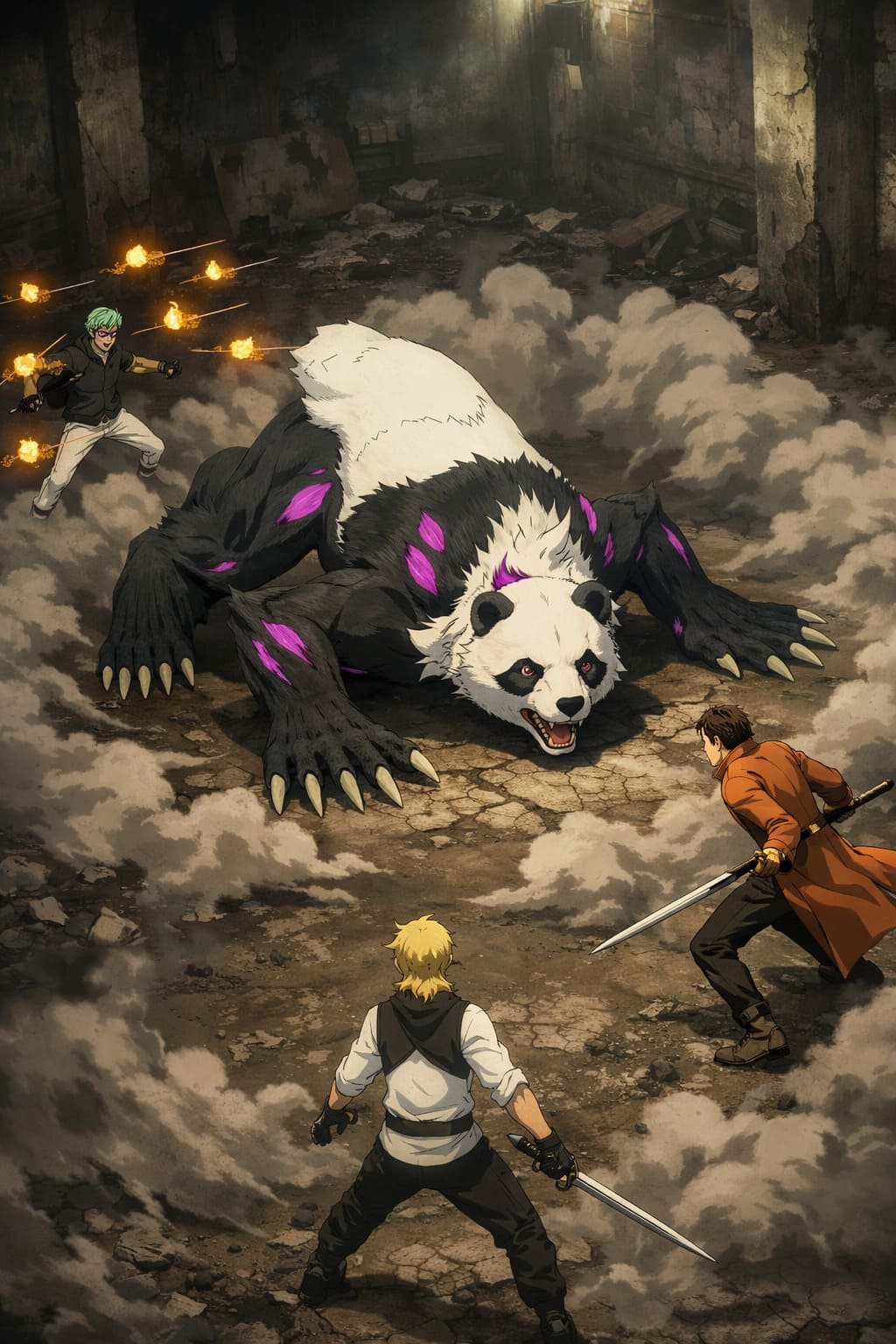
- The Coffin Count (Hitsugi-haku): Less street brawler, more chess grandmaster. Operating from the shadows, he bankrolls the black-market distribution of E3—and even the experimental E4. He doesn’t need flashy powers when he controls supply chains and political favors. By keeping Hero Academies financially and structurally dependent on his influence, he makes himself functionally untouchable. You can’t punch a system that signs your paychecks.
What makes the Count chilling is that he rarely gets his hands dirty. He doesn’t need to. His weapon is infrastructure.
Related articles: Scum of the Brave lore breakdown
- Verdigris Quarter: A high-level female operative who plays the role of syndicate “cleaner.” When small-time dealers get sloppy, she’s dispatched to restore order. Calm, efficient, and lethal, she acts as a dark mirror to the Hero Academy’s female students. She represents the path not taken—the version of Ether talent that chooses profit over patriotism.

Her presence adds a subtle but sharp commentary on choice versus conditioning. The line between Brave and criminal often comes down to who recruited you first.
- Lord “Wedge of Both Hands”: The season’s most physically brutal confrontation for Yashiro. No tricks, no subtlety—just raw Ether-enhanced force capable of smashing concrete with bare fists. His role is crucial because he exposes the limits of Yashiro’s time-slow Perceptron. Seeing attacks coming doesn’t matter much if the opponent can tank a direct counter.
And then there’s the real antagonist.
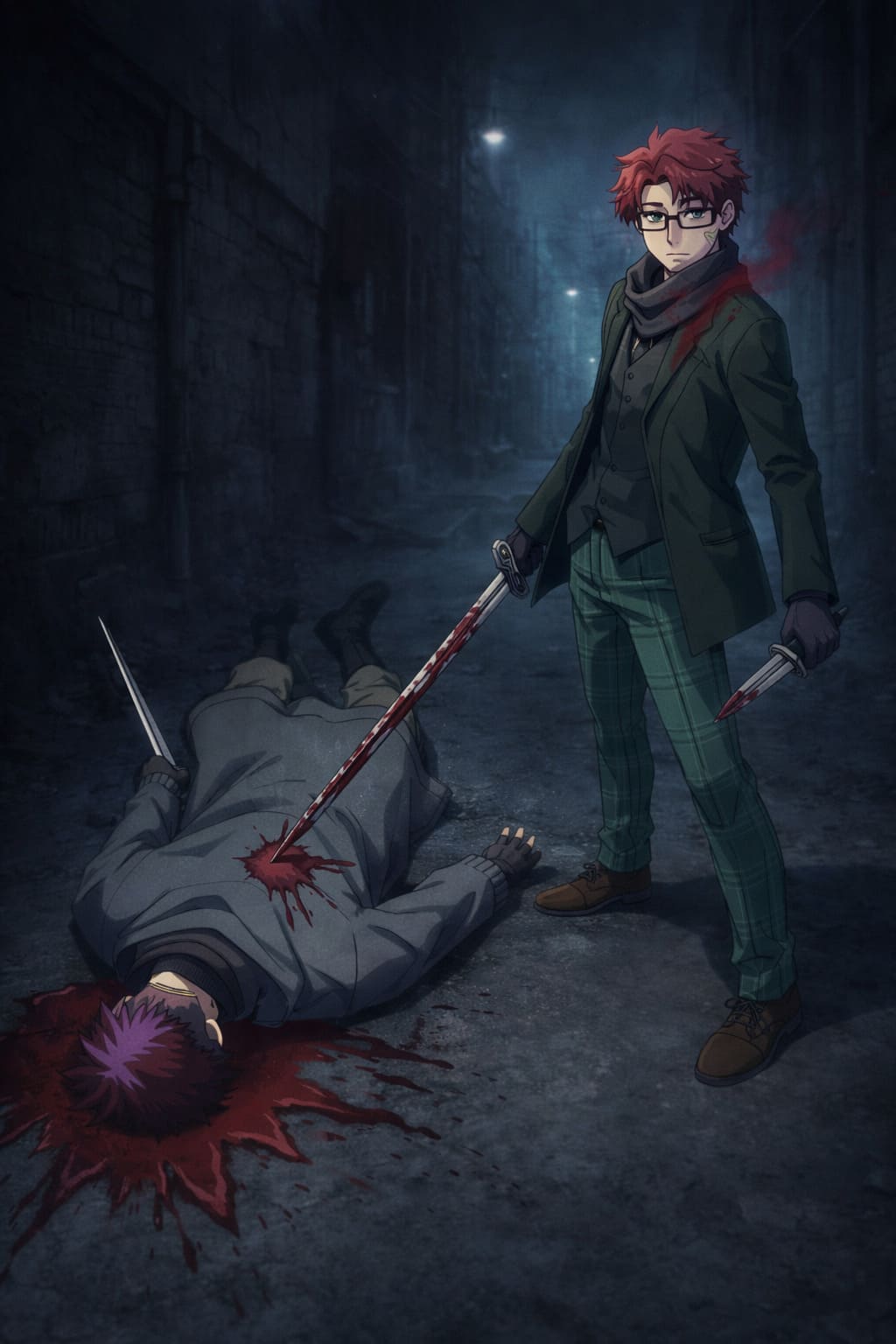
The System. Tokyo itself. The Brave Industry. The Hero Academies that treat students like disposable prototypes. Police departments conveniently aligned with Demon King interests. The E3 drug that keeps “heroes” aggressive, dependent, and profitable. The show quietly suggests that the city is less a battleground and more a production line.
Discover more: Arisu Yamabuki “Womanizer” vs “Sincere” personality analysis
Season 1 of Yuusha no Kuzu thrives because its villains feel earned. They’re not chaos agents—they’re successful products of the same ecosystem that manufactures heroes. In a world where Ether can be bought, enhanced, and weaponized, morality becomes a luxury item. And the Demon Kings? They’re just the ones who stopped pretending they were anything else.
Discover more: Nurugai and Shion’s teacher-student dynamic in Season 2 Hell’s Paradise