Behind the Mask: How Kakashi Hatake’s Face Reveal Became a Legendary Anime Moment
For many of us who grew up watching Naruto after school or bingeing Naruto Shippuden late into the night, one question lived rent-free in our heads for years: what does Kakashi Hatake actually look like under that mask?
It wasn’t just a character quirk—it became one of the longest-running mysteries in anime history. And somehow, the “Copy Ninja” turned a simple piece of fabric into a cultural phenomenon.
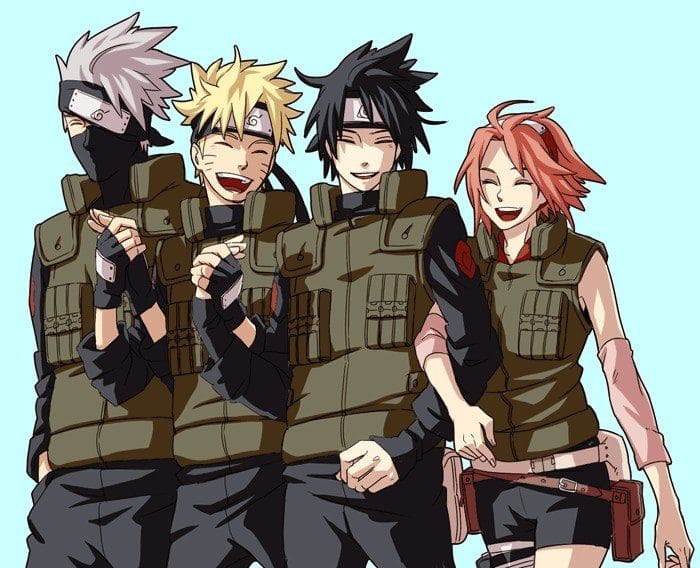
From his very first appearance, Kakashi’s design screamed cool, calm, and untouchable. Masashi Kishimoto gave him the mask to enhance that elite ninja aura, but as the series exploded in popularity, the mask evolved into something bigger—a meme before memes were mainstream, a running gag, and a genuine source of suspense. Fans theorized everything from secret scars to absurd deformities, and the longer the show went on, the more legendary the mystery became.
Discover more: Tune In to the Midnight Heart: Who is the Final Choice for Arisu?
The obsession peaked in the original Naruto Episode 101, hilariously titled “Gotta See! Gotta Know! Kakashi-Sensei’s True Face!” Watching Naruto, Sasuke, and Sakura launch a full-blown reconnaissance mission just to sneak a peek was peak Team 7 chaos. Their wild imagination sequences—buck teeth, oversized lips—only fueled the fandom further. Instead of giving us answers, the episode turned the mystery into an inside joke shared by millions.
The Official Reveal: Manga vs. Anime
The truth didn’t arrive in one dramatic cinematic moment. It unfolded in stages, rewarding longtime fans who stuck around:
- Manga Reveal (2015): Kakashi’s face first appeared in a special illustration released for a Naruto art exhibition in Japan, quietly confirming what readers had been waiting over a decade to see.
- Anime Reveal (2016): Naruto Shippuden Episode 469, “A Special Mission,” finally animated the unmasking for global audiences.
And honestly? The anime version made it even sweeter.
The Sukea Twist
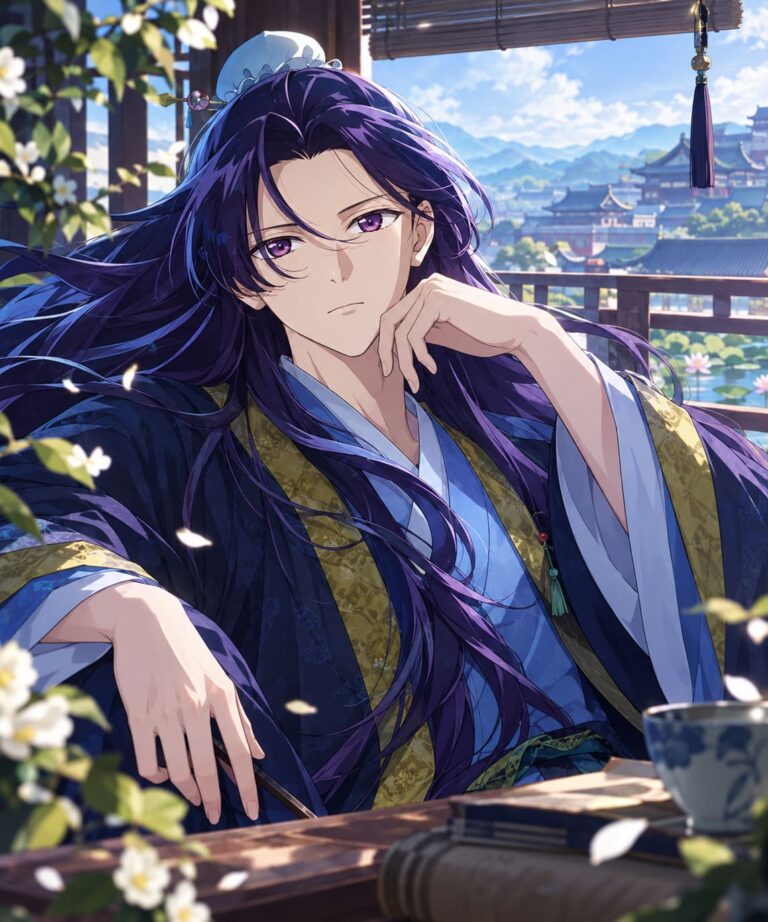
Episode 469 pulled off one of the smoothest bait-and-switch moments in the franchise. Team 7, joined by Teams 8 and 10, tries once again to capture photographic evidence of Kakashi’s face. Enter Sukea, a purple-haired photographer offering to help.
He assists the genin all episode long, building trust and moving the plot forward—only for the final reveal to hit like a ninja vanishing in a puff of smoke. Sukea was Kakashi all along. Wig. Contacts. Light makeup. Absolute legend behavior.
When Kakashi returns home and casually removes the disguise before standing in front of the mirror, the moment lands with surprising calmness. No dramatic soundtrack spike. No over-the-top reveal. Just quiet confirmation after fifteen years of buildup.
So… What Does Kakashi Look Like?
In a twist that shocked fans expecting something outrageous, Kakashi is simply… incredibly handsome. Clean lines, sharp jaw, composed expression. The details matter, though:
- A small mole on the left side of his chin.
- The familiar vertical scar over his left eye extending further down his cheek than most imagined.
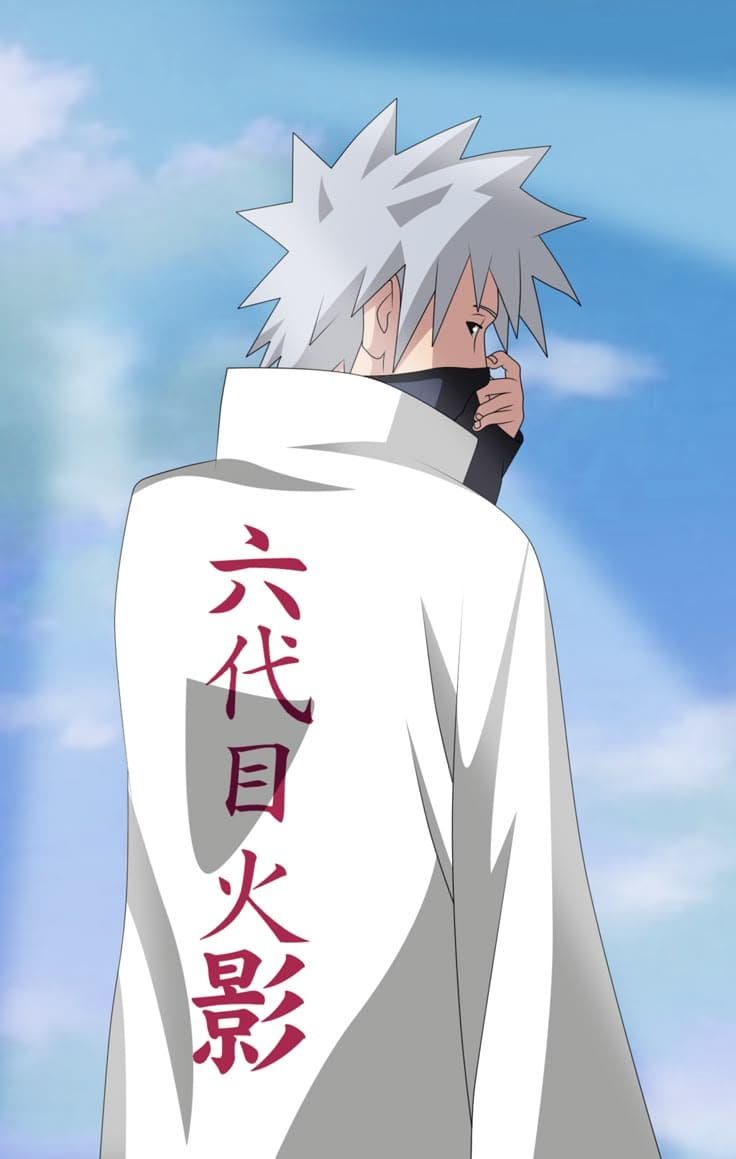
- Refined features that match his elite jonin status and later role as Sixth Hokage.
No monstrous deformity. No secret fangs. Just Kakashi—unmasked, confident, and somehow even cooler.
Why Keep the Mask?
In canon, there’s no grand tragic backstory tied specifically to the mask itself. Some lighthearted explanations float around—like hiding nosebleeds while reading Jiraiya’s Icha Icha novels—but the real answer feels more meta. Once Kishimoto established the masked look, Kakashi without it simply didn’t feel right. The mask became part of his silhouette, his mystique, his brand. Even as Hokage, removing it permanently would have felt like stripping away a piece of anime history.
Looking back, the reveal wasn’t just fan service—it was closure. It marked the end of a shared joke between creator and audience, a payoff built over more than a decade. In a world of power-ups, betrayals, and epic battles, one of Naruto’s most satisfying moments was simply a teacher taking off his mask in his own apartment.
Discover more: The Mystery of the Love Letter and Apollo
The Mission That Changed Everything
The operation at Kannabi Bridge was supposed to be a straightforward wartime objective: sabotage the Hidden Stone Village’s supply route and secure a tactical advantage. Freshly promoted to Jōnin, Kakashi was assigned to lead a small squad consisting of Obito Uchiha and Rin Nohara.
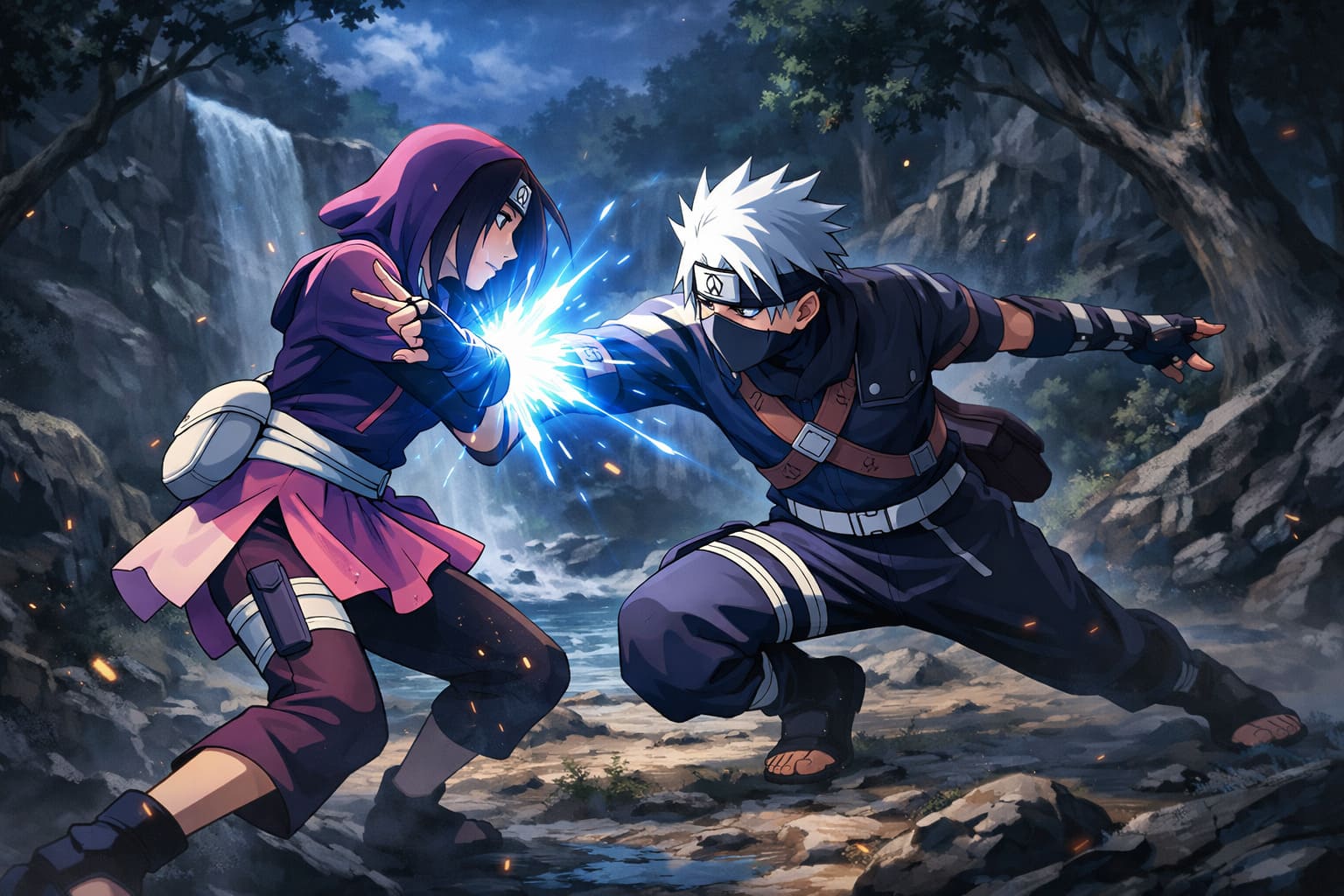
On paper, they were a capable unit. In reality, they were three children carrying the crushing weight of a global conflict far beyond their years.
The tension within the team was impossible to ignore. Kakashi believed in discipline, protocol, and mission-first logic — a philosophy shaped by the tragic death of his father. Obito believed in protecting comrades at any cost. When Rin was captured by enemy ninja, Kakashi chose the mission. Obito chose her. And that clash of ideals led to one of the most quoted lines in anime history: those who abandon their friends are worse than scum. That sentence didn’t just challenge Kakashi’s mindset — it shattered it, forcing him to confront the emotional emptiness behind blind obedience.
Obito’s Awakening and the Ultimate Sacrifice
When Kakashi finally turned back to help Obito rescue Rin, the battle escalated quickly. In the chaos, Kakashi lost his left eye while shielding Obito from an unseen attack. It was in that instant — seeing his friend bleed for him — that Obito awakened his Sharingan for the first time. The sudden clarity, the ability to read enemy movements, and the emotional intensity of that awakening completely shifted the momentum of the fight.
But Naruto has never been a story that hands out happy endings easily. As the cave began collapsing around them, Kakashi was nearly crushed by falling debris. Obito pushed him out of harm’s way, only to be trapped himself under a massive boulder that crushed half his body. Dust filled the air. Light faded. And in that suffocating darkness, childhood ended.
Facing death, Obito made a decision that would echo throughout the shinobi world. As a gift for Kakashi’s Jōnin promotion, he asked Rin to transplant his Sharingan into Kakashi’s empty socket. In a war defined by loss, this was an act of pure friendship — and profound irony. A non-Uchiha inheriting the clan’s most prized dōjutsu symbolized not bloodline, but bond.
From Prodigy to “Copy Ninja”
The transplanted Sharingan transformed Kakashi’s fighting style and reputation. With its predictive abilities and near-photographic perception, he was able to replicate over a thousand jutsu, earning the legendary nickname “Copy Ninja.” Stories of his feats spread across nations, striking fear into enemy forces long before he even appeared on the battlefield.
Yet this power came at a cost.
He cannot deactivate the Sharingan because he is not an Uchiha.
The eye constantly drains his chakra.
He must keep it covered to conserve energy.
Unlike natural Uchiha users, Kakashi’s mastery required relentless training, discipline, and extraordinary chakra control. What makes him exceptional isn’t just the eye — it’s his adaptability. He refined techniques like Chidori, developed strategic precision, and learned to use the Sharingan not recklessly, but surgically. The burden of borrowed power became the foundation of earned greatness.
The Mangekyō Sharingan: Trauma Revisited
Years later, tragedy struck again. In a cruel twist of fate, Kakashi was forced to impale Rin with his own Chidori when she chose death over becoming a weapon for the enemy. The emotional shock triggered the awakening of the Mangekyō Sharingan — not only in Kakashi, but also in the secretly surviving Obito.
This evolution granted Kakashi access to Kamui, a space-time technique capable of warping objects and opponents into another dimension. It became one of the most formidable abilities in the series, redefining high-level combat during the Fourth Shinobi World War. Entire strategies revolved around countering or exploiting its dimensional properties. But once again, the power was born from unbearable grief.
Why This Moment Still Hits Hard
Kakashi’s Sharingan isn’t just a cool power-up or a convenient plot device. It represents:
• Broken ideals transformed into wisdom.
• The devastating cost of war on child soldiers.
• A promise between friends that transcended death.
• The evolution from rigid rule-follower to compassionate leader.
What makes Kakashi one of anime’s greatest mentors isn’t that he copied a thousand jutsu — it’s that he carried Obito’s memory in his literal field of vision every single day. Every battle. Every lesson to Team 7. Every quiet moment reading Icha Icha Paradise. The Sharingan was always there, a silent reminder that true strength comes from connection, not isolation.
In the end, Kakashi Hatake’s legacy isn’t about borrowed power. It’s about emotional growth forged through loss. The tragedy at Kannabi Bridge didn’t just give him an eye — it gave him perspective. And that is why this chapter remains one of the most powerful, tragic, and unforgettable stories ever told in anime.