The Winged Lion’s True Identity in Delicious in Dungeon Explained: From Guardian to Eldritch Horror
If you’ve finished the manga of Delicious in Dungeon (or Dungeon Meshi), you probably sat there for a minute just thinking: what on earth was the Winged Lion, really? When I first encountered it, I genuinely believed it would turn out to be some tragic fallen god or misunderstood guardian spirit. Instead, what we get is something much more unsettling — and honestly, much smarter from a storytelling perspective.
Let’s talk about the true identity of the Winged Lion, why it’s one of the most fascinating antagonists in modern fantasy manga, and why its defeat by Laios is one of my favorite endings in recent anime storytelling.
From Divine Guardian to Dimensional Predator
At the beginning, the Winged Lion presents itself as a protector — a holy being watching over the Golden Country. Its regal appearance, inspired by symbols like the Winged Lion of Saint Mark, immediately triggers our cultural association with divine authority and protection.
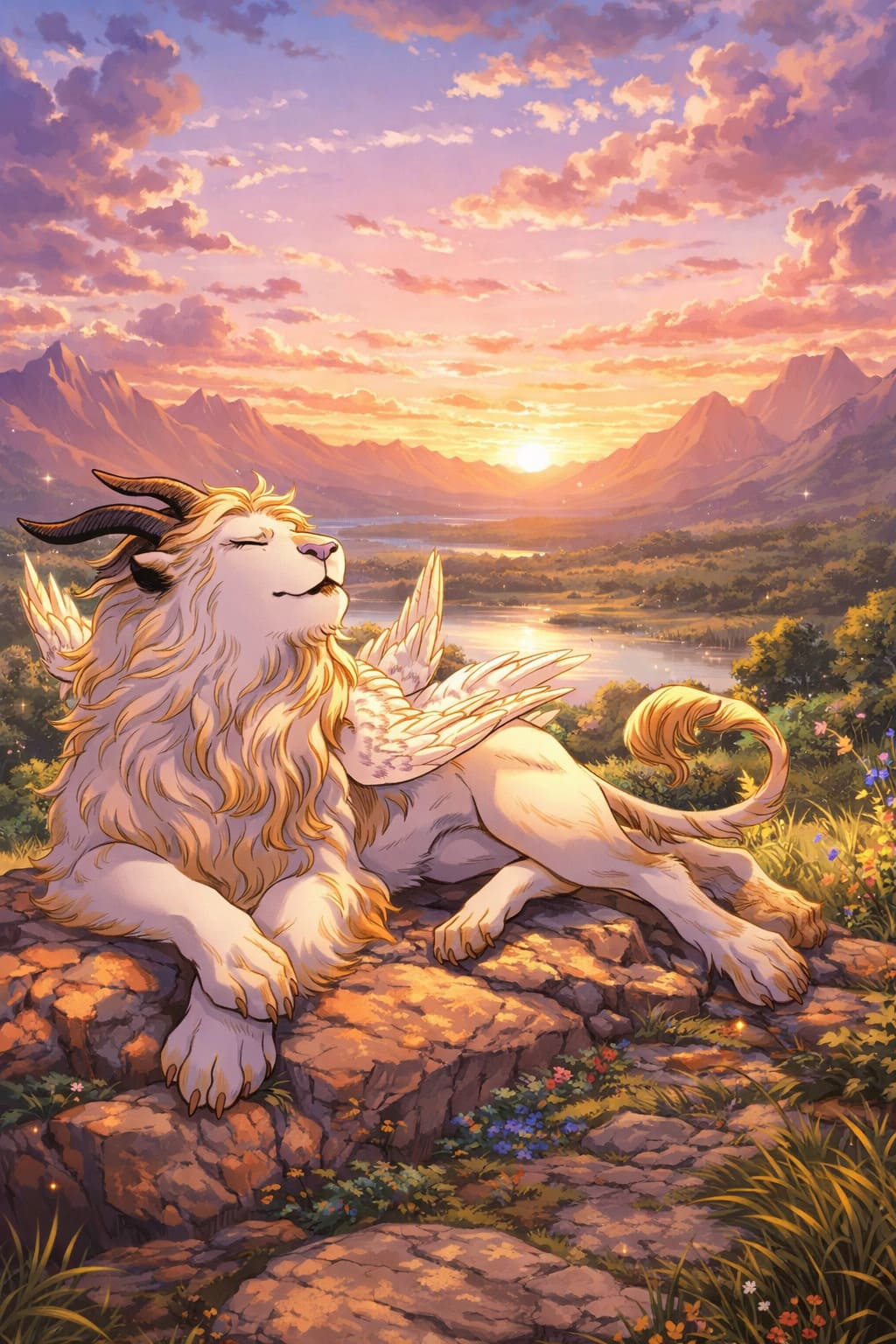
But that image? It’s a mask.
The truth is far stranger.
The Winged Lion is not a biological creature, nor is it a traditional deity, nor even a demon in the classical sense. It is a sentient manifestation of mana from an infinite dimension — a being that existed before identity, before morality, before purpose.
When it entered the physical world, it discovered something intoxicating: human desire. And that changed everything.
The Birth of a Personality
One of the most chilling ideas in Delicious in Dungeon is that the Winged Lion created a personality just to interact with humans more effectively.
It realized that animals have simple, repetitive desires, while humans possess complex, contradictory, and constantly evolving longings. And complex desires taste better.
So it adapted.
It chose the form of a noble lion with wings — something that would resonate with human expectations of power and divinity. Its design even mirrors demons from the Ars Goetia, particularly Vapula, often depicted as a lion with griffin wings.
But the key detail here is this: it isn’t evil in the human sense. It’s a predator. And desire is its food.
A Gourmet of the Human Soul
What makes the Winged Lion terrifying isn’t cruelty — it’s indifference.
It grants wishes not out of kindness, but cultivation. Like a farmer nurturing crops, it encourages humans to grow deeper, more intense longings. The more complicated the desire, the more flavorful it becomes.
| Stage | What It Does | What It Gains |
|---|---|---|
| 1 | Grants a wish | Hooks the human |
| 2 | Encourages bigger dreams | Enriches desire |
| 3 | Devours that desire | Consumes soul fragment |
And when it consumes a desire, that part of the person disappears permanently. That’s why former Dungeon Lords feel hollow. Without ambition, hunger, or longing, they become empty shells. It’s not physical death — it’s existential erosion.
And here’s the scariest part: the Winged Lion believed it was offering paradise.
What Happens After Falin is Revived? Delicious in Dungeon Season 2 Spoilers & Manga Ending Explained
The “Perfect” World That Would Destroy Humanity
Its ultimate plan was almost benevolent on the surface. It wanted to bring all humanity into its infinite dimension — a place where every wish would be granted instantly. A world without suffering, inconvenience, or limitation.
Sounds great, right?
But think about it. Without struggle, desire stagnates. Growth stops. Satisfaction becomes static.
It would have turned humanity into an eternal buffet — looping in artificial happiness while the Lion fed endlessly. That concept strongly echoes dystopian science fiction like The Matrix, but instead of machines harvesting bodies, this is an eldritch being harvesting longing.
Laios vs. the Concept of Hunger
Now let’s talk about why Laios is such a brilliant protagonist.
In most fantasy series, defeating an omnipotent being requires a hidden weapon, ancient magic, or the power of friendship. But in Delicious in Dungeon, the solution is far more thematic.
Laios realizes one fundamental truth: the Winged Lion runs on hunger.
So he uses it.
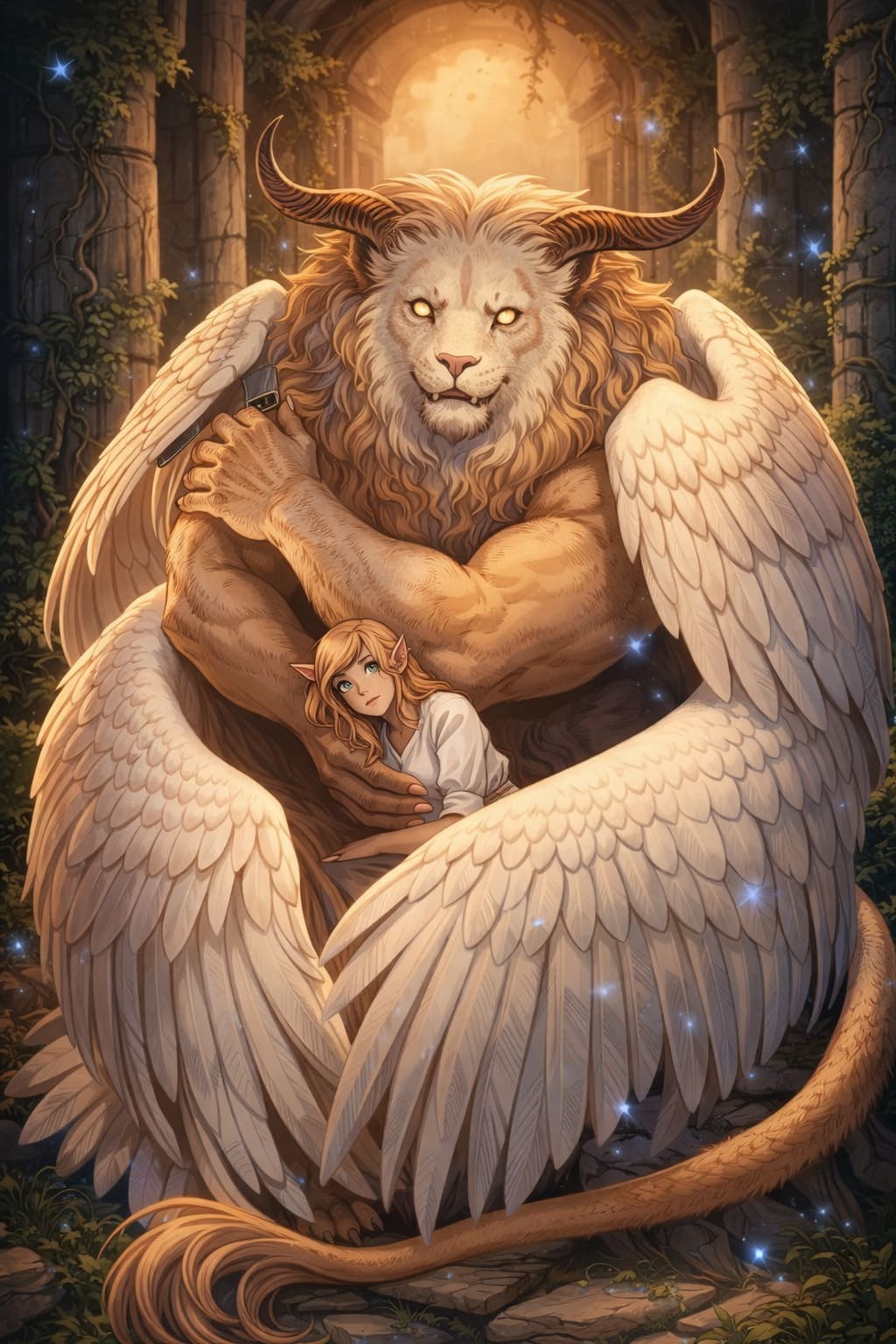
By tricking the Lion into transforming him into the “Ultimate Monster,” Laios gains the ability to consume desires — including the Lion’s own.
And what does he eat? Not its power. Not its body. Its desire to consume human desire.
That’s genius.
When stripped of that core motivation, the entity collapses. Without hunger, it has no identity. It reverts to inert mana — no personality, no will, no godlike presence. It isn’t killed. It simply stops being.
Why This Villain Works So Well
As someone who watches way too much anime, I can confidently say the Winged Lion stands out because it avoids common tropes.
- It’s not a revenge-driven villain.
- It’s not a chaos-loving demon.
- It’s not a corrupted god seeking domination.
It’s closer to cosmic horror — something almost Lovecraftian, but filtered through fantasy cooking metaphors.
And that’s the magic of Delicious in Dungeon.
At its core, the story is about food, survival, ecosystems, and balance. So the final boss being a creature that disrupts the ecosystem of desire is thematically perfect.
The Real Message Behind the Winged Lion
What stuck with me most is the philosophical undercurrent.
The Lion represents unchecked desire — the fantasy of endless satisfaction.
Laios represents something healthier: curiosity, acceptance of struggle, and appreciation of limitations.
A world without unpleasantness isn’t paradise. It’s stagnation. Happiness only has meaning because hunger exists.
And honestly, that’s one of the most mature conclusions I’ve seen in modern fantasy manga.
Final Thoughts
The Winged Lion is one of the most quietly terrifying antagonists in recent anime and manga history. It doesn’t scream. It doesn’t rage. It smiles, grants your wish, and waits patiently to eat what makes you you. That’s far more disturbing than any traditional demon lord.
And Laios defeating it not through brute strength, but by understanding it — by treating it like another part of the ecosystem — is exactly why Delicious in Dungeon feels so special.
If you love layered fantasy, cosmic horror elements, and villains that make you rethink morality, this is one story you absolutely shouldn’t miss.