Dante on Screen: Madhouse vs. Netflix – Which Anime Truly Captures the Devil Hunter’s Soul?
As someone who’s been a die-hard Devil May Cry fan since the early 2000s, I have always wondered how Dante would fare outside the game world.
For almost two decades, Madhouse’s 2007 Devil May Cry: The Animation was our only televised window into the demon hunter’s daily life. It was short, moody, and hauntingly stylish—a perfect extension of the games, even if it lacked the high-octane action some fans crave.
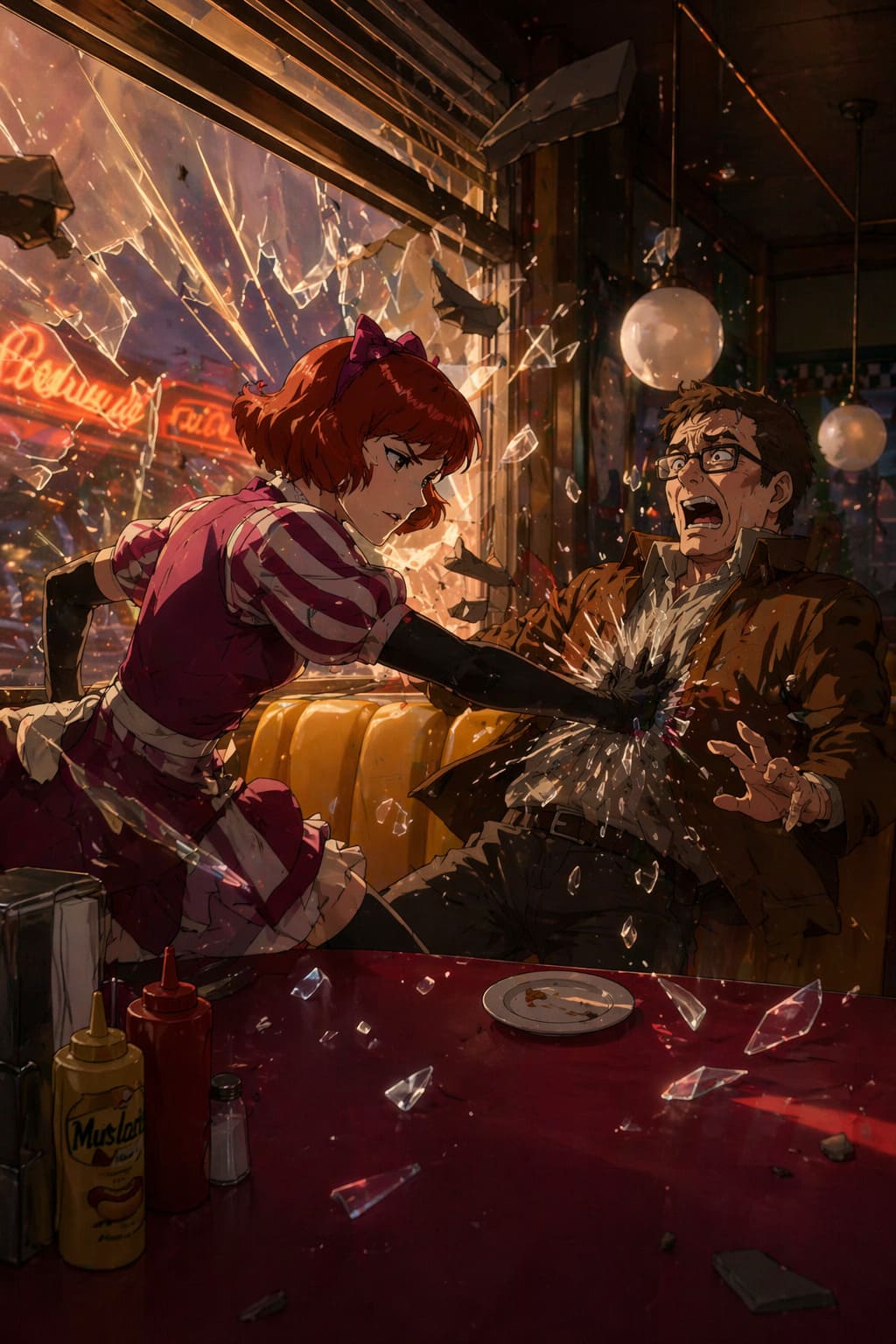
Fast forward to April 2025, and Adi Shankar’s Netflix adaptation finally hit screens. This version has reignited debates across Reddit, Twitter, and YouTube: Which Dante feels more “real”? Which version truly honors the franchise?
I decided to sit down and compare both adaptations across four key pillars: vibe, action, characterization, and lore.
Vollachia vs. Lugnica: Who Truly Has the Strongest Army in Re:Zero? | Military Power Analysis
1. Tone and Atmosphere: Gothic Slice-of-Life vs. Millennial Chaos
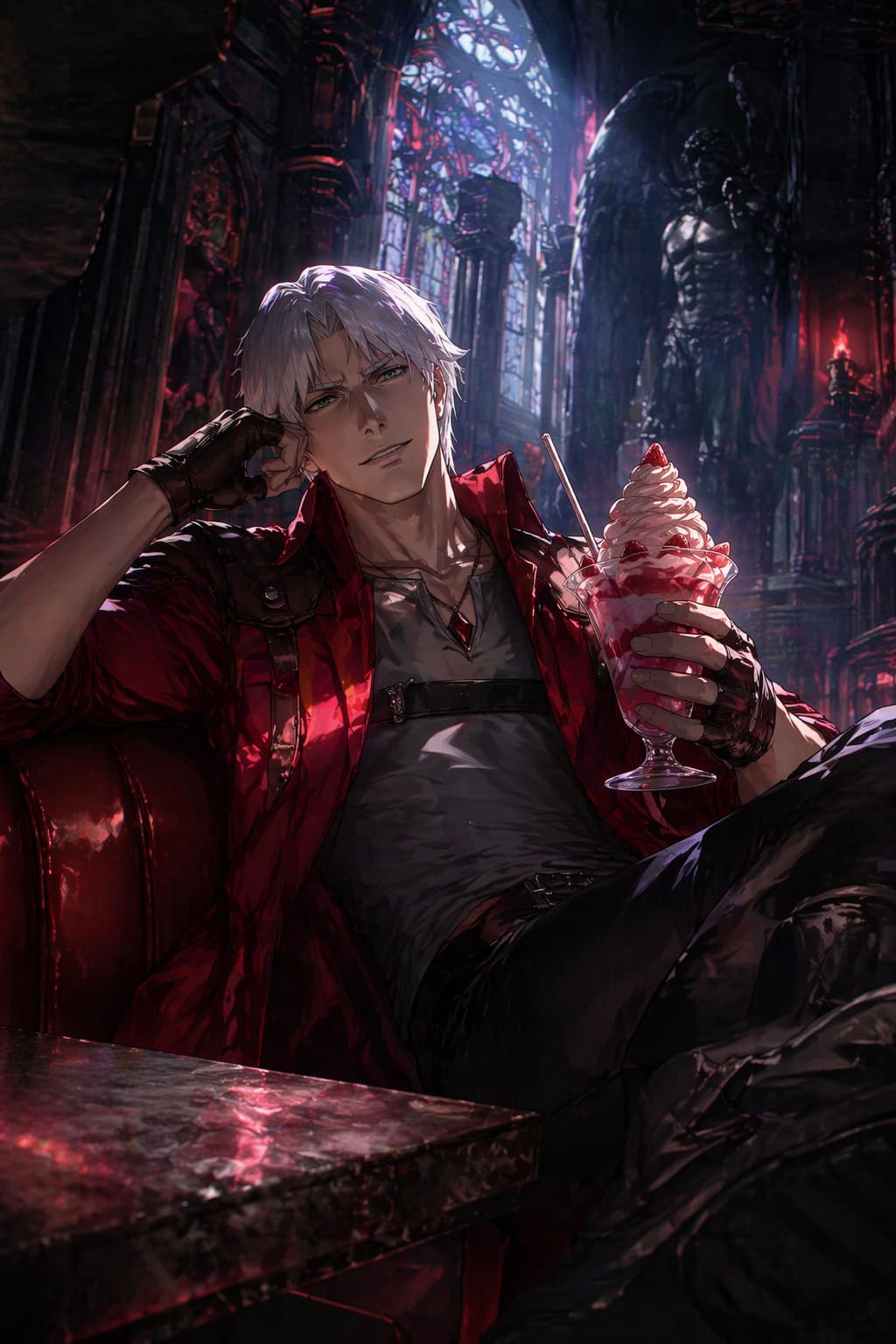
The 2007 Madhouse anime has always felt like a “supernatural slice-of-life.” There’s something oddly comforting about watching Dante sit in his office, eating strawberry sundaes, dealing with debt collectors, and occasionally dispatching demons while barely breaking a sweat. It leans heavily on gothic urban fantasy aesthetics, echoing the early games’ noir-ish vibe.
Contrast that with the 2025 Netflix series—it’s a neon explosion of chaos. Studio Mir, with Shankar at the helm, delivers a brighter, louder Dante, constantly thrown into insane scenarios that blend modern political commentary with supernatural mayhem. Humans invading the demon world for resources? Check. Government conspiracies? Double check. While some fans appreciate the fresh approach, others find the millennial “edgy” tone distracting, preferring the quieter, more moody Madhouse Dante.
Tone Snapshot Table:
| Feature | Madhouse (2007) | Netflix (2025) |
|---|---|---|
| Atmosphere | Gothic, moody, urban fantasy | Bright, chaotic, modern edge |
| Dante’s Mood | Cool, detached, effortless | Playful, ragdolled, sometimes corny |
| Political Themes | Minimal | Prominent |
| Fan Reactions | Nostalgic, calm | Divided, polarizing |
2. Animation and Combat: Blade Swings vs. High-Octane Mayhem
Here’s where the gap between these two adaptations is obvious. Madhouse was hampered by budget constraints, so combat is often subtle—blink, and you might miss a sword swing. Fans often joke that it’s “Dante on vacation until the plot demands action.” Despite this, there’s an elegance to the restraint; it fits the tone perfectly, emphasizing style over spectacle.
Netflix, however, is a full-throttle experience. Studio Mir choreographs fights that aim to capture the “Stylish Action” feel from the games. The sequences are fluid, intense, and visually impressive, though not without controversy. Some viewers feel that the Western cartoon aesthetic and occasional 3D models feel off-putting, drawing comparisons to infamous moments in Berserk 2016.
- Madhouse: subtle, gothic, style-focused
- Netflix: flashy, high-energy, spectacle-driven
Personally, I found myself alternating between awe and “wait, is that Dante or a ragdoll?” during the Netflix fights.
3. Dante’s Character: Stoic Icon vs. Goofy Reboot
Characterization is where the two shows diverge the most.
Madhouse Dante is what longtime fans love: cool, composed, and effortlessly dangerous. He’s the DMC1 version brought to life—powerful, witty, and never truly in jeopardy. Watching him dispatch demons with minimal effort feels satisfying in a way that mirrors the early games.
Netflix Dante is younger, more playful, and often physically dominated by allies like Lady. The intention seems to be humor and relatability—Nu-Metal tracks like Limp Bizkit’s throwbacks aim to showcase his “goofy side.” But for many, it undercuts his legendary status. Watching him repeatedly ragdoll in fights made me think, “This Dante might be too human for his own good.”
In short, Madhouse is the legend, Netflix is the joker. Both have charm, but for die-hard fans craving a sense of mythic cool, Madhouse wins by a hair.
4. Lore and Canon: Faithful Continuity vs. Bold Reimagination
Here’s the kicker for hardcore fans.
Madhouse (2007) is official canon. It expands the universe in small but meaningful ways, introducing characters like Morrison and Patty Lowell who later appear in Devil May Cry 5. It slots perfectly between the games, offering a glimpse into Dante’s life without rewriting the lore.
Netflix (2025) takes massive creative liberties. Demons are refugees, human intervention is morally gray, and DNA science is inexplicably tied to the supernatural. The finale, which involves the US military nuking the demon realm, sparked furious debates. For purists, it feels like betrayal of the core narrative, but for newcomers, it’s an audacious reboot that tries to make the story contemporary.
Lore Comparison Quick Guide:
| Aspect | Madhouse (2007) | Netflix (2025) |
|---|---|---|
| Canon Status | Official | Standalone Reboot |
| Major Changes | Minimal | Extensive |
| Timeline Fit | Perfectly aligned | Independent, loose |
| Fan Reception | Positive, nostalgic | Polarizing, controversial |
My Verdict: Which Should You Watch?
- Madhouse Anime (2007): Ideal if you want a vibe-heavy series, faithful to the games’ tone. Perfect for fans who value character depth and canon respect over flashy action.
- Netflix Anime (2025): Perfect if you crave visually stunning combat and a fresh, bold take on the universe. Expect divisive storytelling and some controversial political commentary.
Ultimately, both versions are worth watching—but for very different reasons. Madhouse delivers nostalgia and the “true Dante” energy, while Netflix experiments boldly, sometimes awkwardly, with modern themes.
As the fanbase eagerly anticipates Season 2 in 2026, the debate is far from over. But one truth remains: no matter the style, Dante is—and will always be—the most stylish demon hunter in any universe.