
Devil May Cry vs. Castlevania: Which Netflix Anime Delivers the True “SSStylish” Experience?
When Netflix announced Studio Mir’s take on Devil May Cry, the internet collectively held its breath. For years, Powerhouse Animation’s Castlevania had set the bar for Western-produced adult animation—brutal, moody, and gorgeously hand-drawn.
With Adi Shankar at the helm of both projects, it was inevitable that comparisons would ignite debates.
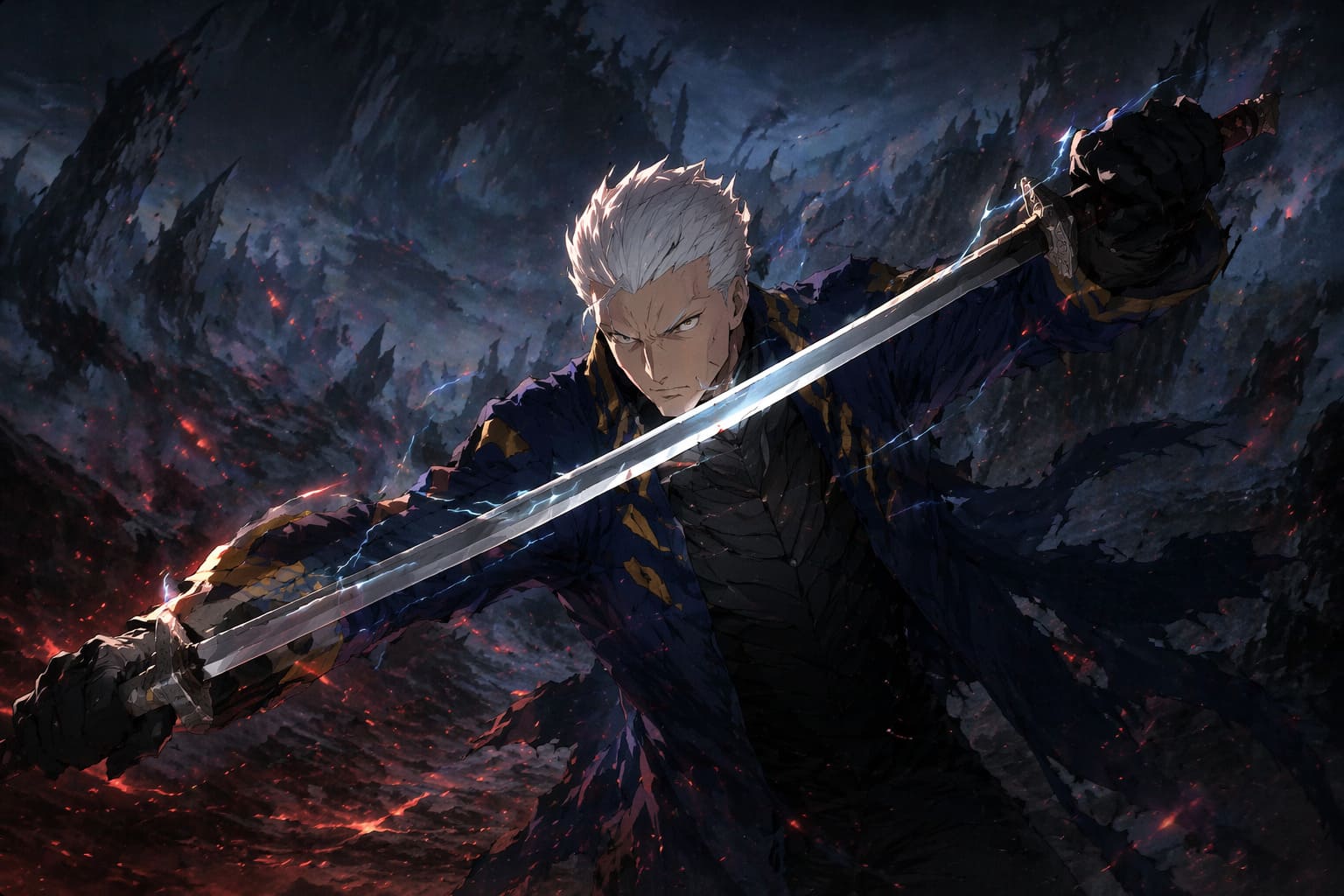
Now that the first season of Devil May Cry (DMC) has dropped, the question on every fan’s mind is: does Studio Mir’s fluid, high-octane animation truly outshine the gothic, high-contrast intensity of Castlevania?
After binge-watching and combing through Reddit threads, YouTube breakdowns, and expert critiques, here’s my take.
“So You Weren’t Into Me?!” Chapter 10 Release Date, Recap, and Fan Theories
Two Animation Philosophies: Mir vs. Powerhouse
Understanding the visual distinction starts with the studios themselves.
Powerhouse Animation (Castlevania)
- Known for “Gothic Anime” aesthetics—deep shadows, dramatic lighting, and intricate details.
- Heavy inspiration from 90s OVAs and Vampire Hunter D, lending a dark, textured realism.
- Often begins with 3D blocking to ensure smooth camera angles and perspectives in complex fight sequences.
Studio Mir (Devil May Cry)
- Famous for kinetic, expressive motion. Characters move with weight, bounce, and flair.
- The linework is cleaner, less textured, and feels polished.
- Emphasizes momentum and theatricality, perfect for Dante’s flamboyant fighting style.
My Take: Mir’s approach feels like a visual rollercoaster—exciting and flashy—but it can sometimes sacrifice grit for polish. Powerhouse, on the other hand, creates a haunting, immersive world you can lose yourself in.
Fight Choreography: Impact vs. Style
The heart of any action anime is its fight sequences. Here’s how the two titans stack up:
Castlevania: Weight & Brutality
- Every swing lands with bone-crunching impact.
- Grounded martial arts choreography, even when magic is involved.
- Reviewers rave about the “money shots”, where the frame rate spikes to emphasize every drop of blood and tension.
Devil May Cry: Flow & Panache
- DMC embraces the “stylish action” of the games.
- Combat feels like continuous motion, blending swordplay, gunplay, and acrobatics seamlessly.
- Standout moments feel almost like animated music videos, such as Dante clearing rooms to the rhythm of high-energy tracks.
Verdict: Castlevania excels in brutality and realism; DMC wins in spectacle and sheer entertainment. If you want to feel each hit, Powerhouse is your go-to. If you want to watch a demon get shredded while looking effortlessly cool, Studio Mir is unmatched.
The CGI Demon Debate
- Castlevania sticks largely to 2D monsters, which blend seamlessly into the hand-drawn backgrounds.
- DMC introduces 3D models for larger demons. While this allows for dynamic camera rotations and epic scale, it can feel clunky or out of place, especially when juxtaposed against polished 2D environments.
Personal note: This is where my inner purist winces. A fully hand-drawn demon would have elevated DMC’s aesthetic from “slick” to “breathtaking.” Still, the motion and choreography of Dante often make up for it.
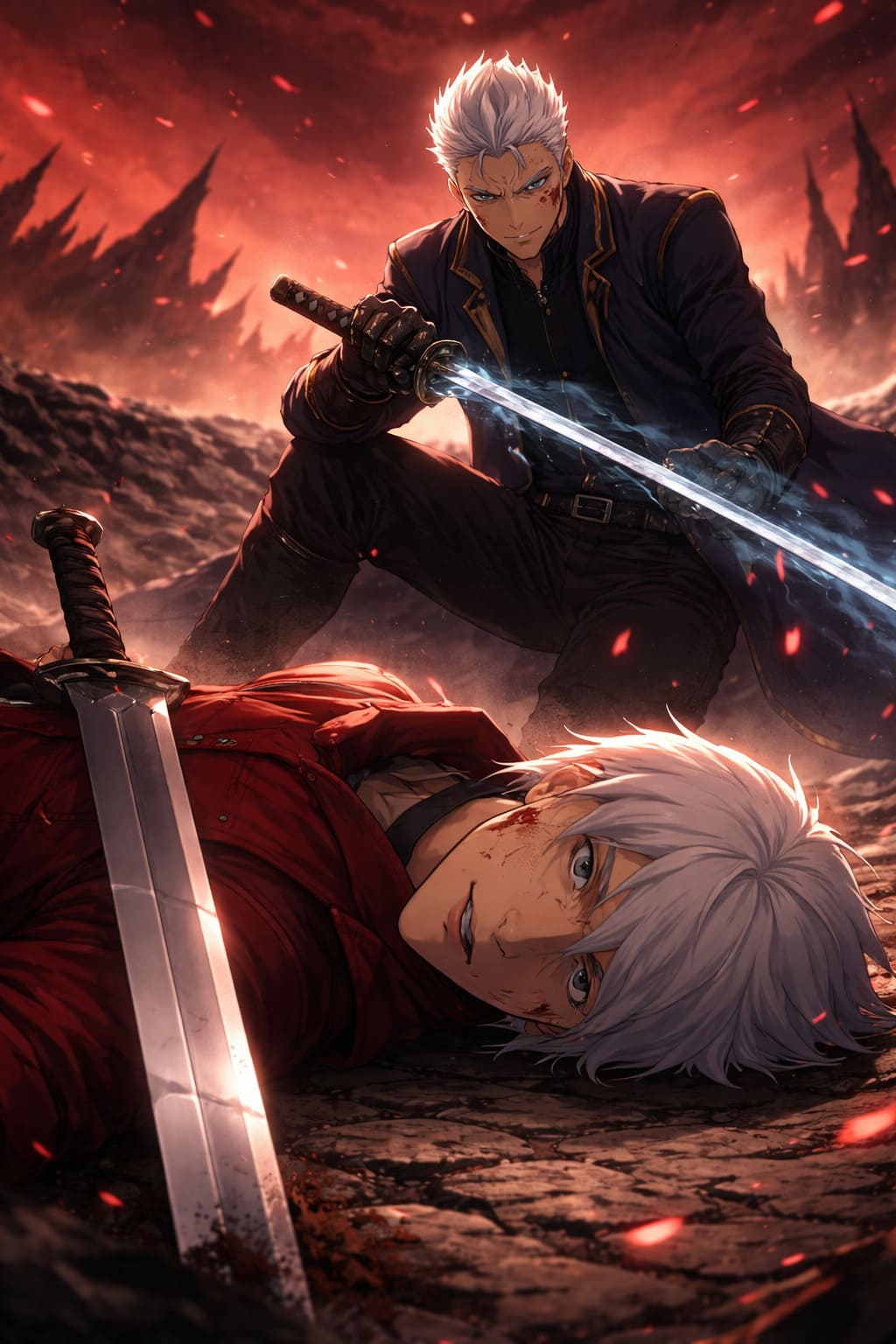
Visual Identity: Dark Gothic vs. Millennial Fever Dream
Art direction is where both series express their soul:
Castlevania:
- Deep reds, muted grays, and icy blues set a tragic, Gothic horror tone.
- Environments feel lived-in, almost architectural in their complexity.
- Characters like Trevor Belmont convey stoicism and grit; the animation emphasizes subtle realism.
Devil May Cry:
- Dives into early 2000s subculture, with nu-metal soundtracks and a stylized anime vibe reminiscent of Cowboy Bebop or late 90s action series.
- Dante is a showstopper—expressive, theatrical, and incredibly fun to watch.
- Facial expressions, gestures, and even hair movement feel alive, giving each fight a sense of personality.
Verdict: If you crave mood, atmosphere, and a haunting aesthetic, Castlevania reigns supreme. If you crave personality, flair, and nonstop energy, DMC steals the show.
Quick Comparison Table: Animation Showdown
| Feature | Castlevania (Powerhouse) | Devil May Cry (Studio Mir) |
|---|---|---|
| Consistency | High across all seasons | Peaks in action, dips with CGI |
| Fight Style | Brutal, grounded, impactful | Stylish, fluid, kinetic |
| Atmosphere | Gothic horror, moody | Urban fantasy, flashy |
| Character Motion | Subtle, realistic | Expressive, theatrical |
| Integration of 3D/2D | Seamless hand-drawn blend | Noticeable 3D demon models |
Bottom Line: Which Animation Feels “Better”?
Castlevania: For a cinematic, consistent, Gothic experience, it’s still the undisputed king. Every frame is meticulous, every fight deliberate.
Devil May Cry: For fans of stylish, over-the-top action, DMC is a love letter to the franchise. It prioritizes speed, fluidity, and flair over rigid realism.
Personal take: Watching DMC feels like stepping into Dante’s shoes—you’re cool, cocky, and unstoppable. Castlevania makes you feel the weight of every swing, the tension of every shadow, and the desperation of its world. Both are brilliant; it’s just a matter of taste.
Why Anime Fans Should Care
- Netflix’s adult animation slate is expanding, and both series show that Western animation can rival Japanese anime in quality and ambition.
- Studio Mir’s work reminds us that action isn’t just about blows—it’s about rhythm, personality, and choreography.
- Powerhouse proves that atmosphere and tension can make every scene a masterpiece.
For anyone who loves anime, fighting games, or visual storytelling, this is a golden era. Each series has its unique flavor, and the real joy is in the comparison: the dark, brooding gothic tones of Castlevania versus the electric, stylish punch of Devil May Cry.


