Does Shizu Ever Return in That Time I Got Reincarnated as a Slime? Full Fate Explained (Anime Fan Deep Dive)
If you’ve watched That Time I Got Reincarnated as a Slime (Tensura), there’s a high chance Shizue Izawa—Shizu for short—left a deeper emotional mark than you expected from a supporting character.
She doesn’t appear for long, yet her impact on Rimuru and the entire story is massive. Honestly, she’s one of those rare characters who feel “gone too soon,” even though her story is handled with a lot of care and meaning.
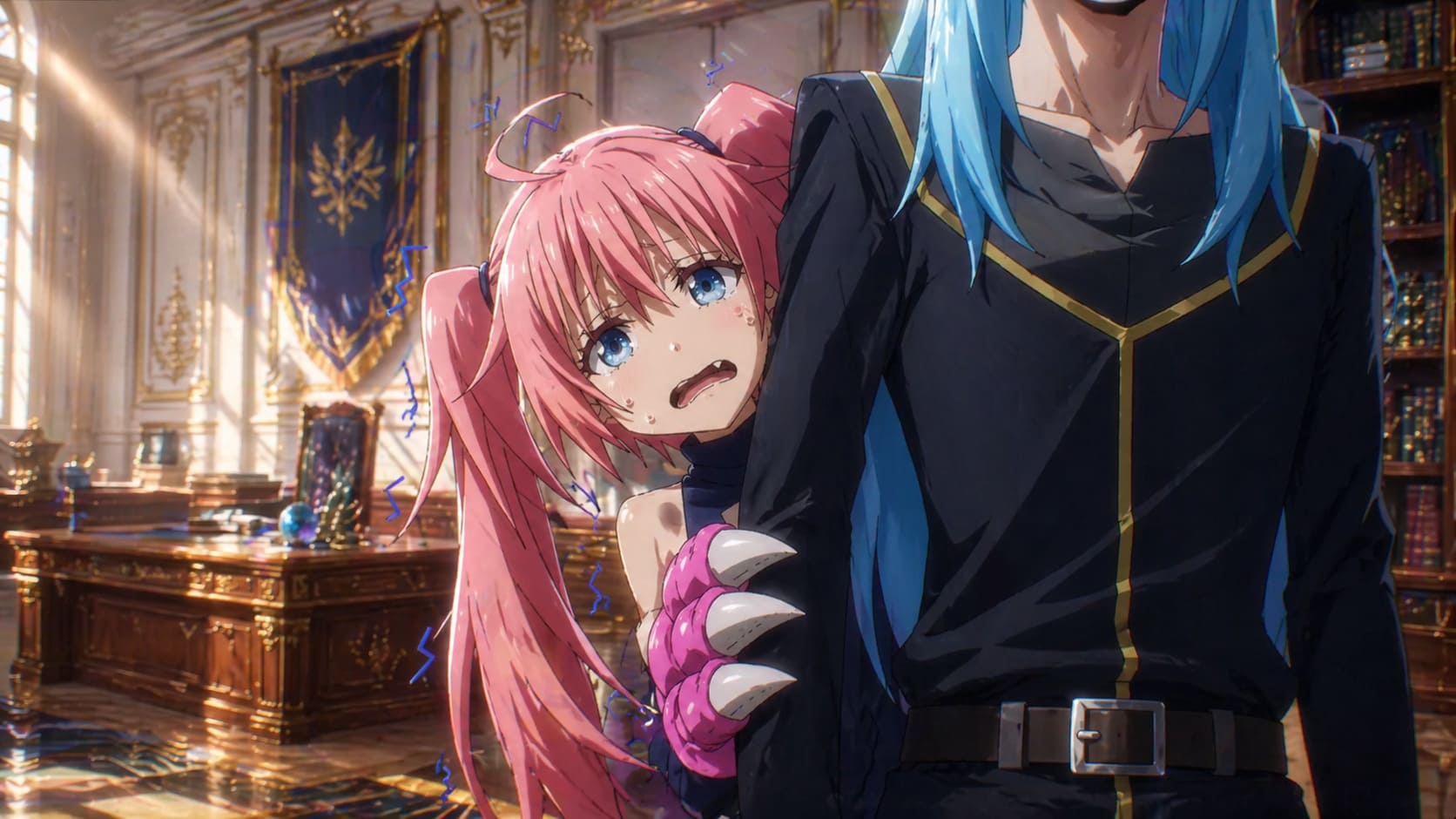
So the big question fans keep asking is: Does Shizu ever come back? Or is she truly gone forever?
The short answer is no—she doesn’t return in the traditional sense. But the real answer is far more interesting, emotional, and layered than a simple yes or no.
Who is the Strongest Girl in Farming Life in Another World? The Big Tree Village Power Ranking
Who Shizu Izawa Really Was in Tensura
Before talking about “returns,” it’s important to understand why Shizu matters so much in the first place.
Shizu Izawa was a summoned human from Japan during WWII-era chaos, forced to host the fire spirit Ifrit, a powerful but exhausted adventurer, and someone who lived most of her life being controlled by others.
Despite her strength, Shizu’s life was emotionally heavy. She wasn’t just a fighter—she was someone who wanted peace more than anything.
When she finally meets Rimuru, she’s already at the end of her journey. And instead of clinging to life, she makes a deeply meaningful request: let me rest peacefully… and don’t let me be buried in this world.
That moment alone sets the tone for everything that follows.
Does Shizu Ever Come Back?
No, Shizu is not resurrected in the main Tensura storyline.
Unlike characters who can be brought back using magic, soul reconstruction, or demon lord-level abilities, Shizu’s situation is different. Her body was already reaching its natural limit, Ifrit’s presence consumed her life over time, her soul was not preserved in a recoverable state, and most importantly—she chose her ending.
Even Rimuru, who later becomes insanely powerful, never forces her return. And that’s actually one of the more mature aspects of Tensura: not every death is reversed, even in a world filled with broken abilities.
Why Rimuru Doesn’t Bring Her Back
Fans often ask this, especially since Rimuru eventually gains abilities that could theoretically recreate people. But there are three key reasons Shizu remains gone.
Her soul has already moved on: unlike some characters whose souls remain anchored or sealed, Shizu’s essence is no longer available in a reconstructible form.
Respect for her final wish: this is the biggest emotional reason. Shizu didn’t want to be forced into another fate—she wanted peace.
Her role was always symbolic: Shizu is not just a character who dies early. She is the emotional foundation of Rimuru’s humanity. Without her, Rimuru wouldn’t become who he is.
All the Times Shizu “Appears” After Death
Even though she doesn’t return physically, Shizu still shows up in meaningful ways throughout the series.
1. Mental world encounter: during a major arc in the light novel, Rimuru encounters a manifestation of Shizu inside a mental space. It is not a physical resurrection, but more like a memory or spiritual echo that helps him stabilize emotionally during critical events.
2. Flashbacks and emotional guidance: Shizu appears through Rimuru’s memories, visions during emotional stress, and moments where her teachings influence decisions. She becomes a moral compass inside Rimuru’s mind.
3. Spin-off appearances: in The Slime Diaries, Shizu appears in a more lighthearted, almost ghost-like interpretation. It is not strict canon, but it provides emotional closure for fans.
4. Symbolic presence through Rimuru: every time Rimuru chooses mercy, protects humans, or acts with compassion, Shizu is still present through the identity she helped shape.
The “Grandmother Theory” and Reincarnation Talk
Some interpretations from later story developments and fan discussions suggest a time-loop or reincarnation connection between Shizu and Rimuru’s original life in Japan.
According to these theories, Rimuru eventually gains god-like control over existence and interacts with timelines in ways that blur cause and effect, leading to symbolic connections between Shizu and his original world lineage.
However, this should be treated carefully. It is not a fully confirmed canonical fact that Shizu literally becomes Rimuru’s grandmother. It is more of a fan interpretation based on the complexity of the timeline mechanics and reincarnation themes in the story.
Shizu’s “Return” Forms in the Series
Here is a simple breakdown of how Shizu continues to exist in different forms:
Flashbacks: canon appearances that build Rimuru’s emotional foundation.
Mental manifestations: semi-symbolic guidance during major crises.
Spin-off cameo: lighthearted non-mainline emotional closure.
Symbolic influence: permanent impact on Rimuru’s personality and choices.

Why Shizu’s Absence Actually Matters More Than a Return
Tensura does something surprisingly meaningful by not bringing Shizu back.
Her story teaches that not every loss needs reversal, some people shape your life by leaving it, growth comes from accepting endings, and peace can be a form of victory.
Rimuru doesn’t become stronger because she returns. He becomes stronger because she doesn’t.
Final Thoughts: Shizu’s True Fate in Tensura
So, does Shizu ever come back?
No—not physically, not permanently, and not in the way fans usually expect.
But she also never truly disappears.
She exists in Rimuru’s memories, his moral choices, the emotional core of the story, and every major turning point that defines Tempest’s future.
Shizu Izawa is less of a lost character and more of a permanent emotional presence disguised as a past tragedy.
And that’s what makes her one of the most unforgettable characters in That Time I Got Reincarnated as a Slime.
She didn’t need to return. She already changed everything.