Dorohedoro Season 2: Does Risu Know Aikawa Is Kai? Explained
If there’s one thing that makes Dorohedoro unforgettable, it’s how effortlessly it mixes chaos, tragedy, and absurd humor into something that still feels emotionally grounded.
Season 2 continues that tradition by pushing one of the series’ most painful mysteries even further: the relationship between Risu, Aikawa, and Kai.
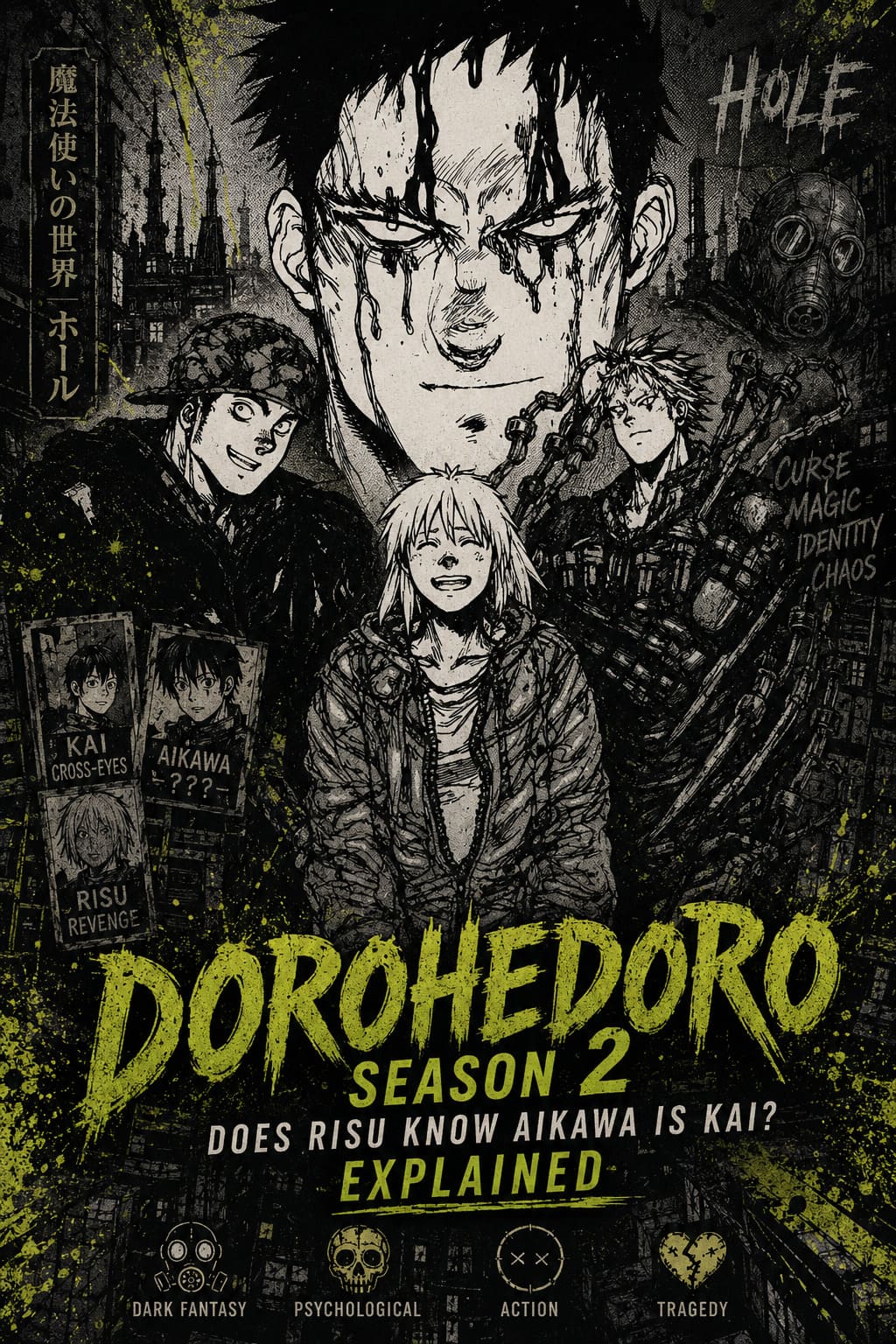
One of the most common questions fans ask is simple on the surface but deeply complicated underneath: does Risu know that Aikawa is actually Kai?
The answer is no in Season 2—but the truth behind it is far more tragic than a simple yes or no.
Dorohedoro: En Family vs Kai and the Devil Tumor Explained
The Core Identity Problem: One Body, Multiple Selves
At the heart of the mystery is not a disguise, but a fractured identity. The body known as Ai Coleman does not house a single personality. Instead, it is split into separate consciousnesses formed after exposure to the toxic sludge of Hole.
These personalities include Aikawa and Kai, who function almost like entirely different people sharing the same physical existence.
Aikawa
Aikawa is kind, easygoing, and emotionally open. He genuinely believes he is an ordinary sorcerer and treats Risu as his closest friend. He has no awareness of the violent actions happening under another identity.
Kai
Kai is cold, strategic, and merciless. As the leader of the Cross-Eyes, he commits brutal killings and operates with no emotional attachment to others. He also does not share memory with Aikawa.
This separation is crucial: neither personality fully understands or remembers what the other does.
Dorohedoro Season 2 Ending Explained: What Happens in the Finale and Caiman’s Fate
Risu’s Perspective: A Story Built on Fragmented Memory
Risu’s understanding of events is shaped by trauma and incomplete memory. He remembers being killed, seeing a figure resembling Aikawa, and later waking up with gaps in his recollection.
Because of this, he forms a painful but logical conclusion: Aikawa betrayed him.
Risu does not know about split consciousness or identity fragmentation. From his point of view, everything points to betrayal, even if the truth is far more complicated.
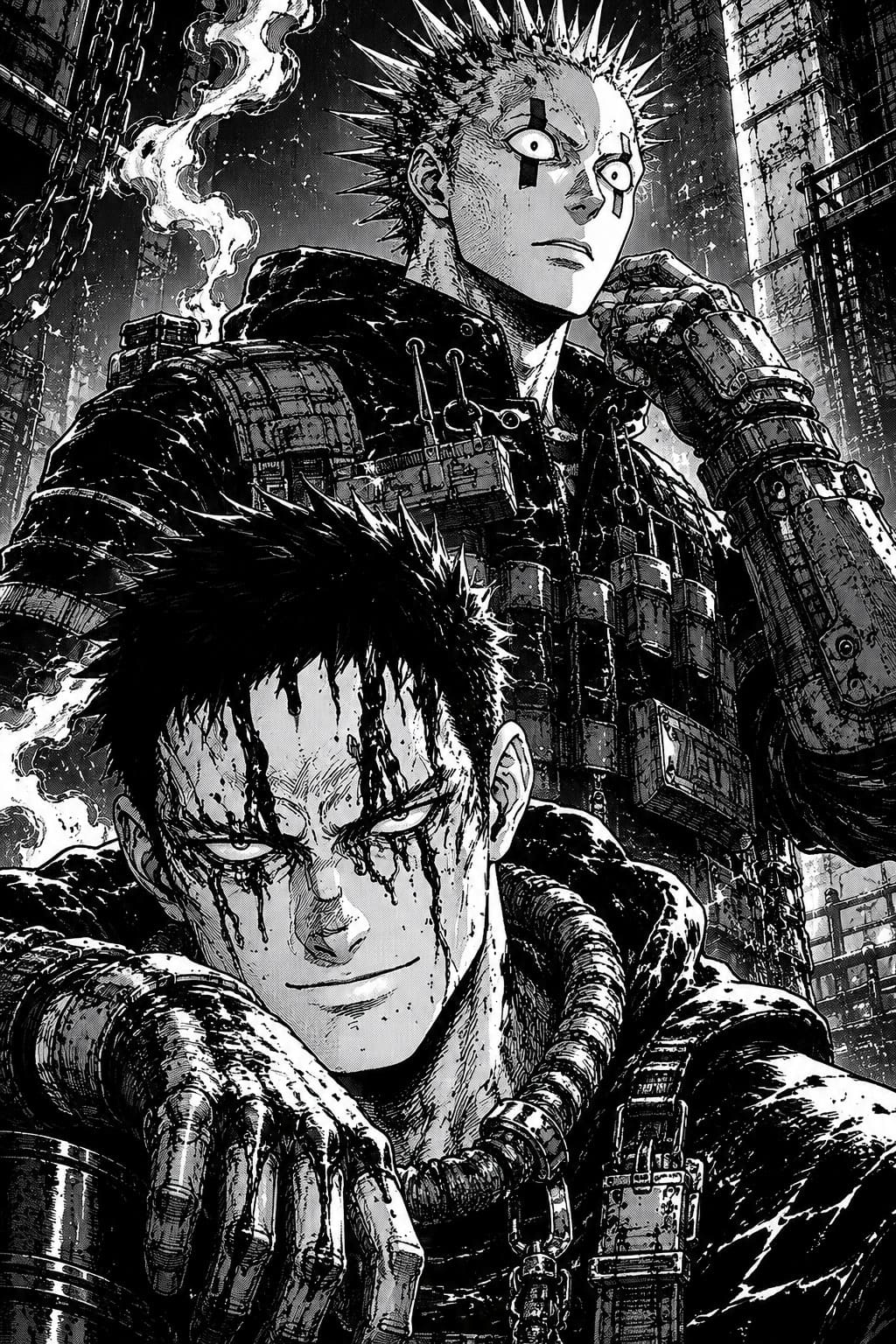
Emotional Breakdown of the Characters
The tension between the characters becomes clearer when broken down simply:
| Character | Nature | Memory | Relationship with Risu |
|---|---|---|---|
| Aikawa | Kind, emotional, confused | No memory of murder events | Genuine friendship |
| Kai | Cold, violent, calculated | Fully aware of actions | Sees Risu as a target |
| Risu | Traumatized, driven by revenge | Fragmented and unreliable | Believes he was betrayed |
Why the Misunderstanding Hits So Hard
The tragedy of this storyline in Dorohedoro Season 2 is not built on deception, but on miscommunication and fractured identity. Nobody is actively lying, yet everyone is suffering because of incomplete truth.
Aikawa cannot explain what he does not remember. Kai does not care about emotional consequences. Risu, stuck between memory and emotion, fills in the gaps with pain and assumption.
This creates a cycle where every interaction deepens misunderstanding rather than resolving it.
Risu’s Emotional Journey in Season 2
Throughout Season 2, Risu’s arc is driven by grief and the need for answers. However, every encounter with Aikawa only strengthens his belief that he was betrayed.
Even when Aikawa behaves sincerely, his inability to explain past events makes him seem suspicious. This emotional disconnect is one of the most powerful tensions in the story.
The result is a psychological standoff where one character remembers betrayal and the other remembers nothing at all.
Why This Storyline Works So Well
What makes this arc stand out in Dorohedoro is its refusal to simplify identity or morality. Instead of a clear villain and hero dynamic, everything exists in a fractured state.
Key themes include:
- Identity instability caused by magic and trauma
- Memory as an unreliable foundation for truth
- Emotional reality outweighing factual reality
- Friendship distorted by perception gaps
This is not just a mystery about who did what—it is a story about how people suffer when truth cannot be shared clearly.
Light Spoiler Insight (Manga Context)
Later in the broader storyline, the truth is eventually revealed in a way that forces characters to confront the reality of shared identity. The discovery is not comforting. Instead, it deepens the emotional damage by confirming that friendship and violence originated from the same source.
Understanding the truth does not fix the emotional consequences—it intensifies them.
Conclusion
In Dorohedoro Season 2, Risu does not know that Aikawa is Kai. He operates based on incomplete memory, emotional pain, and a fractured understanding of reality.
Aikawa is unaware of his violent alter ego. Kai does not acknowledge emotional bonds. Risu is left navigating between both, trying to make sense of something that was never stable to begin with.
This is what makes the storyline so powerful. It is not just about identity—it is about how fragile understanding becomes when truth itself is divided.