Dr. STONE Moon Mission Arc Summary: The Ultimate Leap from Stone to Space
When you think of Dr. STONE, you might first imagine primitive tools, dramatic stone awakenings, and the thrill of rebuilding civilization from scratch. But the Moon Mission Arc, also known by fans as the Stone to Space Saga, catapults this idea into a whole new orbit—literally. This arc isn’t just a high-stakes adventure; it’s a celebration of science, ingenuity, and the human spirit. From my perspective as a long-time fan, it’s arguably the most exhilarating climax in modern manga, and here’s why.
From Stone to Rockets: Humanity’s Boldest Leap
Senku Ishigami’s dream has always been audacious: rebuild civilization and push humanity forward. But when the petrification beam’s source is revealed to be the moon, the goal became crystal clear: go to the moon, confront the mysterious Why-Man, and finally free humanity from the shadow of stone.
The technical detail in this arc is insane. Senku doesn’t just whip up a rocket overnight—every stage, from solid-fuel boosters to liquid-fuel engines, is painstakingly calculated. And unlike typical anime science, it feels achievable, grounded in chemistry, physics, and sheer human ingenuity. The arc turns science into suspense—because a single miscalculation could cost the mission before it even leaves the atmosphere.
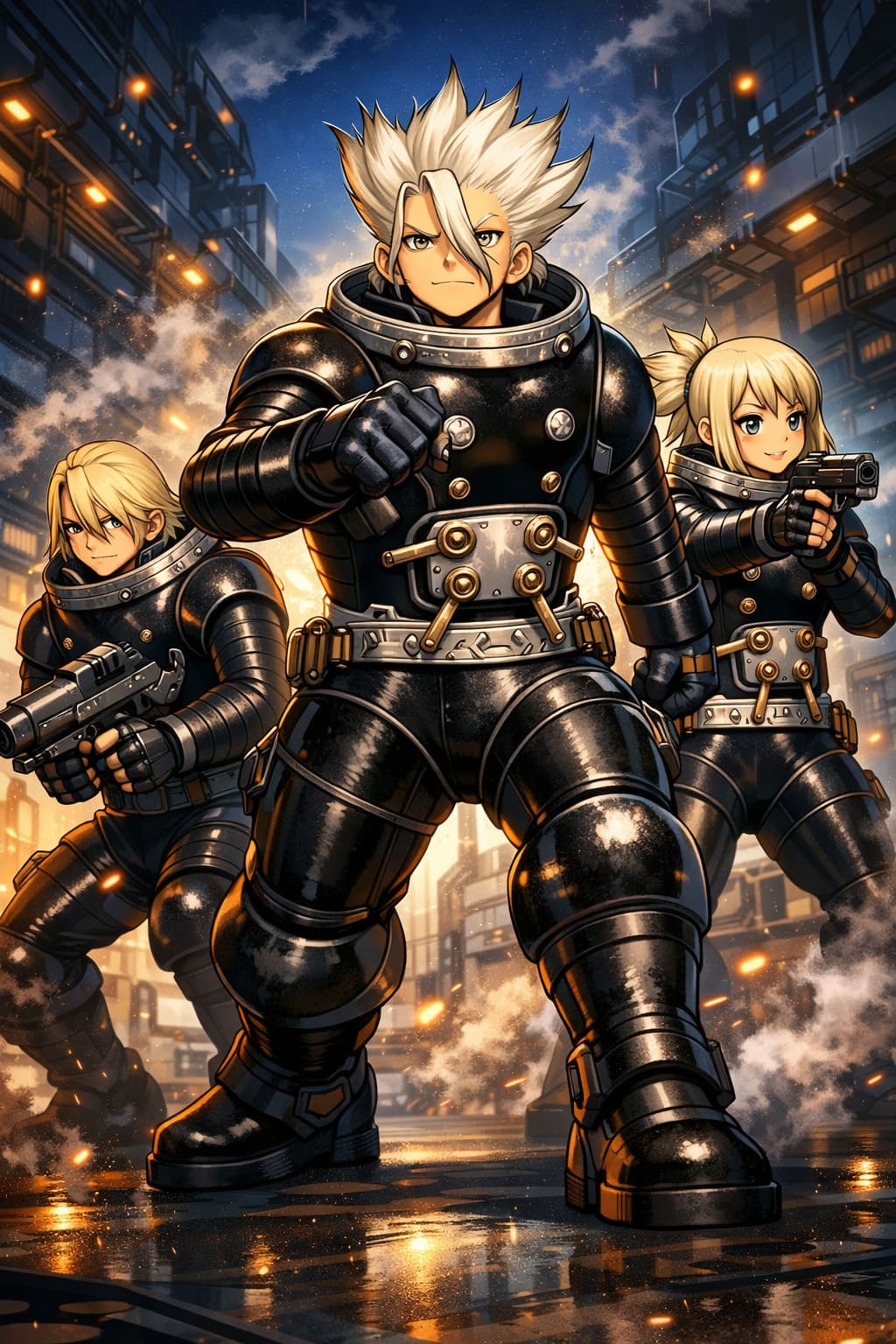
The Global Hunt for Materials
Building a rocket in a world that’s essentially prehistoric? Impossible by any normal standard. But that’s exactly what makes this arc shine: the resource-gathering missions become mini-adventures, each with their own flavor and stakes:
- India: Mining bauxite for aluminum and recruiting Sai, a math genius essential for calculations.
- South America: Securing rare minerals and dealing with Stanley Snyder’s lingering military threat.
- North America: Industrial labor and corn farming to produce alcohol for fuel, proving that even in a primitive world, innovation is collaborative.
What’s particularly thrilling is the creation of a “Stone Age Internet”: radios and basic computing link continents. Senku turns global cooperation into a science-fueled relay race—and as a fan, seeing that scale of ambition is genuinely heart-stopping.
Meet the Moon Crew: Brains, Eyes, and Skill
Selecting the astronauts was just as tense as building the rocket. This isn’t NASA; it’s survival science with a dash of drama:
| Astronaut | Role | Why They Matter |
|---|---|---|
| Senku Ishigami | The Brain | Navigates scientific complexities of space and the mission. |
| Kohaku | The Eyes | Her precision and superhuman reflexes handle on-site navigation. |
| Stanley Snyder | The Skill | Ex-antagonist pilot; critical for piloting and security. |
The dynamic is electric. Senku’s intellect, Kohaku’s instincts, and Stanley’s experience create a perfect triangle of tension, humor, and unpredictability.
Launch Day: The World Watches
When the rocket Johannes finally lifts off, it’s cinematic perfection. For 3,700 years of human civilization compressed into a few years of Senku’s life, the moment is electric. The manga doesn’t just focus on the spectacle; it emphasizes the weight of history. Everyone in the rebuilt world watches via homemade television sets—a true global unification of effort and spirit.
Who is Why-Man in Dr. Stone? The Shocking Identity Reveal Explained
Confronting Why-Man: The Unexpected Twist
The most-discussed aspect in forums like Reddit is the true identity of Why-Man. The reveal is both mind-bending and philosophically rich: Why-Man isn’t a person—it’s the collective intelligence of the Medusa devices themselves, mechanical parasites from deep space.
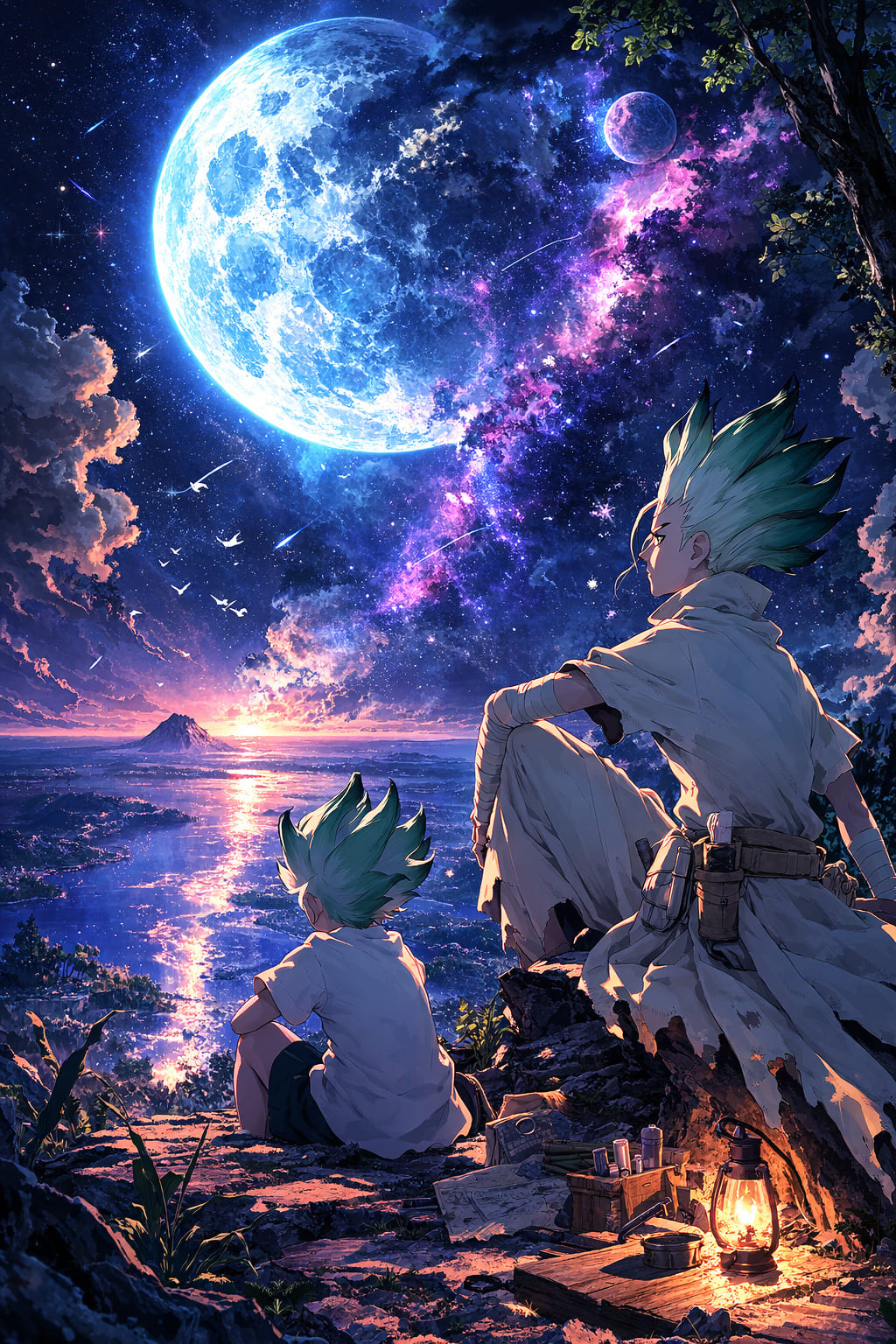
Their logic is terrifyingly simple: they petrify intelligent life to give “eternal life” and expect gratitude. But Senku’s argument flips their worldview: humans crave struggle, innovation, and messy progress—not stagnation. The negotiation over combat is subtle yet monumental, proving that the climax isn’t about brawn—it’s about brains, ethics, and heart.
Why This Arc Works
Here’s what makes the Moon Mission Arc a masterclass in storytelling:
- Science as the hero: Every achievement is grounded in math, chemistry, or engineering.
- Personal stakes remain central: Senku confronts the legacy of his father while pushing humanity forward.
- Global unity: From India to North America, the arc celebrates collaboration.
- Philosophical resonance: Challenges the notion of “perfection” versus human struggle.
- Satisfying escalation: From stone axes to rockets, the scope continuously expands.
The cherry on top? Senku’s final tease—a time machine project—reminds fans that curiosity never stops, leaving the door wide open for future adventures.
Final Thoughts
As a fan, the Moon Mission Arc of Dr. STONE isn’t just a story—it’s an emotional, intellectual, and visual thrill ride. It turns a survival story into a cosmic epic, proving that as long as humans have ingenuity and curiosity, there’s literally no limit to what we can achieve.
For anime fans tracking the manga’s adaptation, the “New World” season is just the beginning. The true crescendo—the leap to the moon—is coming, and it’s shaping up to be one of the most exhilarating conclusions in modern anime history.