Hal Formula Chapter 6 Release Date, Full Chapter 5 Recap, and Critical Fan Theories
When Hal Formula first appeared in Weekly Shonen Jump, I expected another flashy racing manga built around impossible driving techniques and dramatic last-second victories. Five chapters later, I’m convinced Kento Terasaka is aiming for something very different.
Instead of treating racing as a collection of over-the-top hero moments, the manga has focused on the tiny details that separate talented drivers from future champions. Chapter 5 might not have featured a major race or a shocking rival reveal, but in my opinion it was the strongest chapter so far because it finally explained why Miharu Suzukaze deserves to stand among professional racers.
With Chapter 6 arriving on July 19, 2026, the story is preparing to leave the training ground behind and enter its biggest challenge yet: Autopolis.
Why Chapter 5 Was About Growth, Not Speed
One thing I really appreciate is that Terasaka refuses to make Miharu an instant genius.
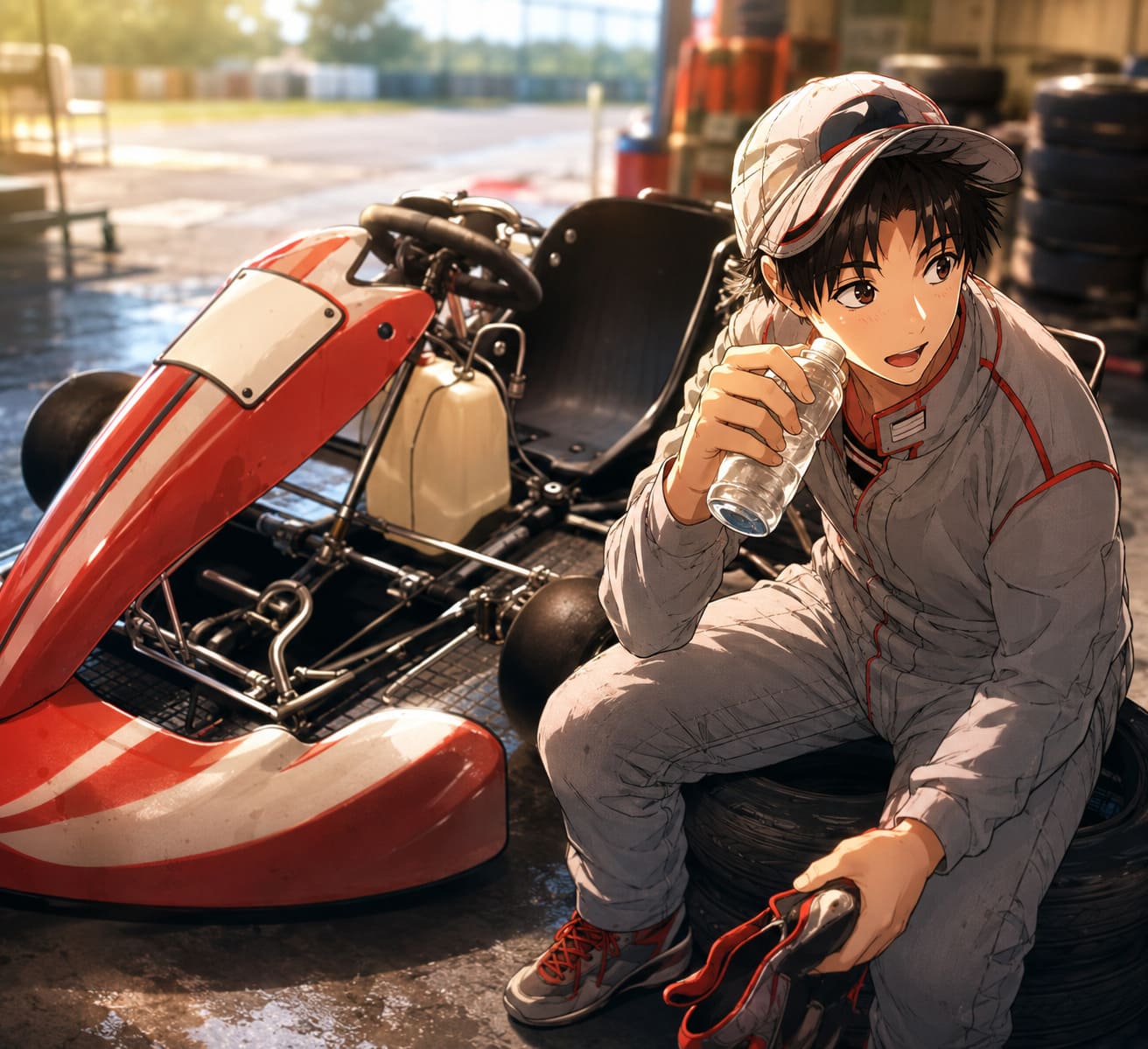
Unlike many sports manga protagonists, Miharu isn’t introduced as someone who naturally dominates everyone around him. Instead, the story repeatedly reminds readers that plenty of other kids were faster than him.
His greatest weapon has always been something much less glamorous:
- endless repetition;
- patience;
- mechanical understanding;
- willingness to practice until movements become instinct.
That philosophy defines almost every page of Chapter 5.
Rather than creating excitement through impossible overtakes, the manga builds tension around learning a single skill correctly.
For me, that’s far more satisfying.
The Potato Chip Drill Was Surprisingly Brilliant
At first glance, the famous potato chip training almost sounds like a comedy gag.
Tape a fragile potato chip inside your racing glove.
Drive.
Don’t break it.
Simple… right?
Not even close.
The exercise teaches drivers to stop wrestling with the steering wheel. Every unnecessary burst of tension transfers directly into the kart, making it less stable over bumps and corner entries.
Instead of forcing the machine to obey, the driver learns to work with the chassis.
That idea perfectly matches the overall message of Hal Formula.
The fastest driver isn’t always the one who attacks the hardest.
Sometimes the fastest driver is the calmest one.
Small Lessons Become Big Advantages
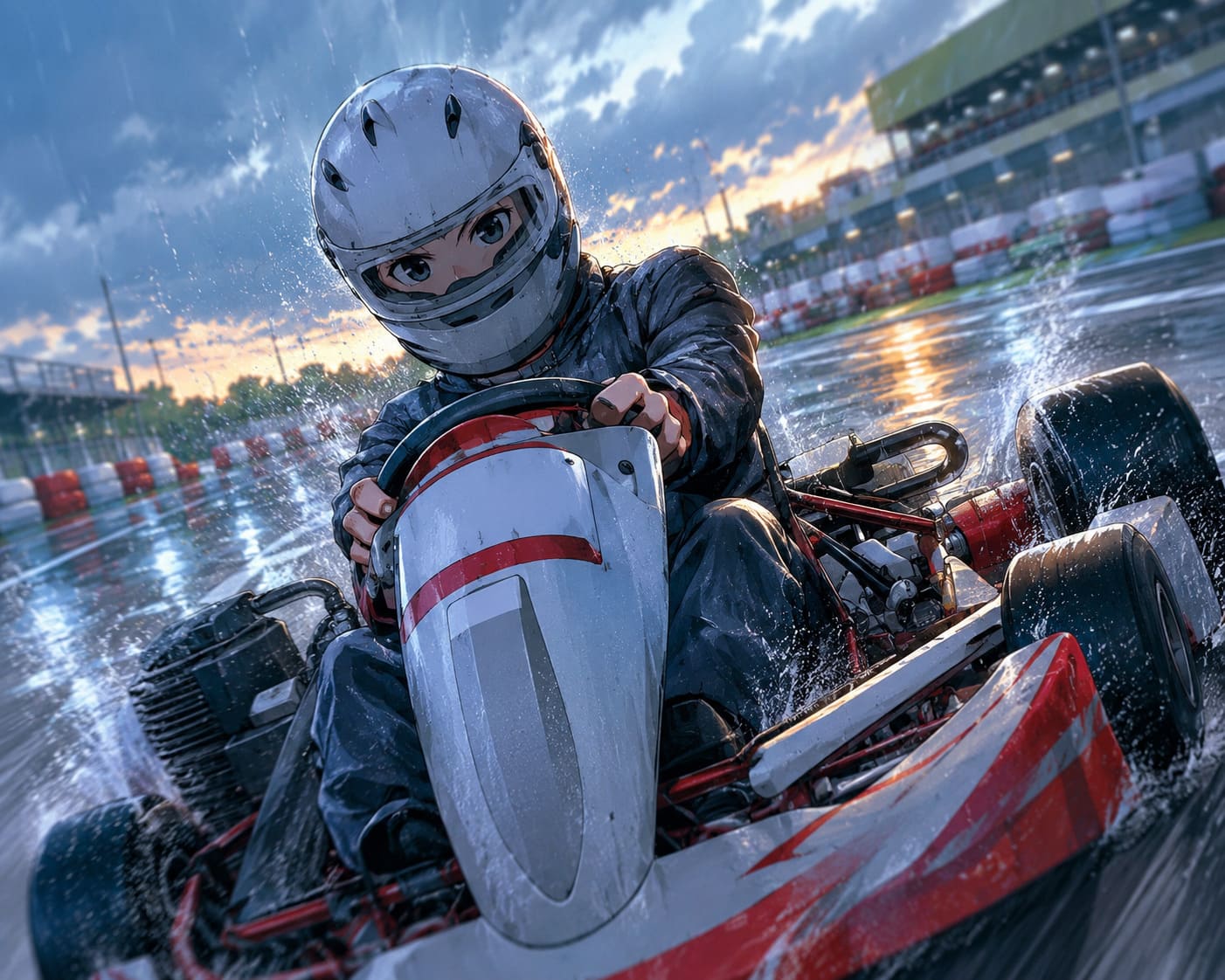
One reason I think this manga is attracting motorsport fans is how every training session has a clear purpose.
Here’s how Chapter 5 gradually built Miharu’s improvement:
| Training Element | What It Actually Teaches |
|---|---|
| Potato chip exercise | Smooth steering inputs |
| Kart practice | Feeling chassis movement |
| Lift-and-coast technique | Better corner balance |
| Overnight practice | Muscle memory through repetition |
| Windy downhill section | Adapting to unexpected conditions |
None of these techniques instantly makes Miharu unbeatable.
Instead, each lesson adds another small piece to his overall driving style.
That’s exactly how real racing development works.
Hino-Kura Might Be the Series’ Most Important Character
Miharu obviously receives most of the attention, but I think Chapter 5 quietly belonged to Hino-Kura.
He isn’t portrayed as the loud mentor who constantly gives inspirational speeches.
Most of the time he simply watches.
He lets Miharu struggle.
He waits.
Only after seeing genuine progress does he offer advice.
His biggest observation wasn’t about lap times.
It was this idea:
Miharu wasn’t born the fastest—but he became the one who kept improving.
That sentence may end up defining the entire manga.
Natural talent creates headlines.
Consistency creates champions.
Breaking the Track Record Wasn’t the Real Victory
Many readers immediately focused on Miharu setting a new circuit record.
Personally, I think something else mattered much more.
The potato chip survived.
That tiny detail proves Miharu finally stopped fighting the kart.
Earlier chapters showed him relying on determination and aggression.
Now he’s beginning to trust the machine beneath him.
Ironically, becoming gentler made him faster.
That’s excellent storytelling.
The Strange Brake-and-Throttle Moment Could Become a Major Plot Point
One of Chapter 5’s biggest surprises happened during the downhill section.
For a brief instant, Miharu accidentally pressed both pedals.
Normally that sounds like a mistake.
Instead, the manga hints it may unlock an entirely new layer of vehicle control.
Whether readers have experience with racing games or real motorsport, they’ll recognize that overlapping brake and throttle inputs isn’t always accidental.
Under specific conditions it can stabilize weight transfer, reduce instability, or help maintain balance over uneven surfaces.
I don’t think Terasaka included that scene by coincidence.
It feels like obvious setup for something much bigger.
What I Expect From Chapter 6
After skipping directly to Autopolis, the story has reached its first genuine professional environment.
If I had to guess, Chapter 6 will probably focus on three major developments.
1. Miharu Will Immediately Feel Out of Place
Karting and full-size racing machines behave very differently.
Even though his fundamentals have improved dramatically, adapting to higher speeds won’t be automatic.
That struggle should make his eventual success much more believable.
2. Rivals Will Underestimate Him
Every sports manga needs rivals.
The interesting part is why they’ll underestimate Miharu.
Not because he’s weak.
Because his history doesn’t look impressive.
If everyone only judges old results, nobody will realize how much he has changed until qualifying begins.
That’s exactly the kind of payoff this series has been building toward.
3. Practice Will Finally Beat Talent
This feels like the emotional direction of the entire manga.
Chapter 5 repeatedly emphasized repetition over natural ability.
Now the story has a chance to prove that philosophy against drivers with bigger budgets, better equipment, and stronger reputations.
If Miharu earns respect through consistency instead of miraculous victories, Hal Formula will stand apart from many other modern sports manga.
Why Fans Are Connecting With Miharu
After spending time reading discussions across manga communities, one thing stands out.
People aren’t cheering for Miharu because he’s unstoppable.
They’re cheering because he feels achievable.
- He gets tired.
- He worries about money.
- He can’t practice whenever he wants.
- He improves slowly.
Most readers will never become professional racing drivers, but almost everyone understands what it’s like to work hard while wondering if the effort will ever pay off.
That emotional honesty gives Hal Formula far more personality than I expected after only five chapters.
Animal Signal Chapter 7 Release Date, Full Chapter 6 Ending Twist & Analysis
Final Thoughts
Chapter 5 may not have been packed with dramatic wheel-to-wheel battles, but I honestly think it was the chapter that convinced many readers this manga has long-term potential.
Instead of rushing toward spectacular victories, Kento Terasaka invested an entire chapter in explaining how champions are quietly built one habit at a time.
Now all of that preparation leads to Autopolis.
Chapter 6 doesn’t need an explosive finish or an unbelievable upset to succeed.
It simply needs to show that every lap Miharu spent practicing alone in the mountains actually meant something.
If Terasaka delivers that payoff, Hal Formula could establish itself as one of the most authentic modern racing manga currently running in Weekly Shonen Jump—and this upcoming chapter may be the moment when casual readers start realizing it too.