Hinagiku Loves You anime vs manga comparison differences
Even years after finishing Hayate no Gotoku! (Hayate the Combat Butler), I still find myself coming back to one character: Hinagiku Katsura. She isn’t even the main heroine in the traditional sense, yet somehow she feels like the emotional center of the entire story.
If you’ve ever heard fans talk about the “Hinagiku Loves You” moments, you already understand how strong her impact is.
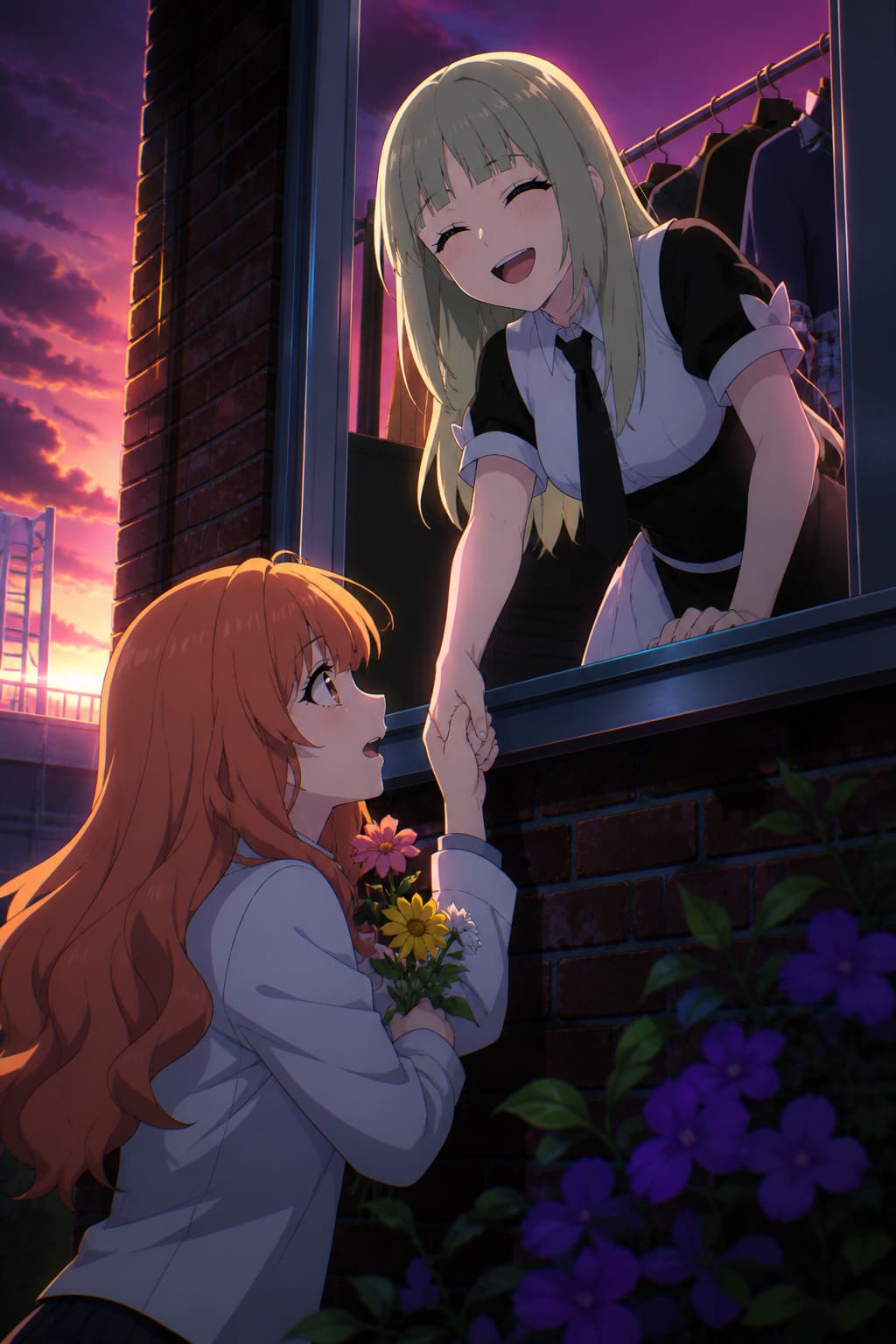
What makes her especially interesting is how differently she feels depending on whether you experience her through the anime adaptation or the original manga by Kenjiro Hata. Both versions have charm, but they tell her story in very different emotional languages.
In this article, I want to break down those differences from a fan’s perspective—not as a technical analysis, but as someone who genuinely enjoyed both versions and noticed how much the experience changes depending on the medium.
Hibiki Manabe’s Contract Skill and Magic Power Explained: Why He Is Actually Broken
Story Flow: Manga Consistency vs Anime Fragmentation
One of the first things you notice is how different the pacing feels. The manga follows a continuous, structured progression. Hinagiku’s development is gradual, and her feelings toward Hayate evolve naturally over time. Nothing feels rushed, and even small interactions build meaning across dozens of chapters.
The anime, however, is much more fragmented. Different seasons were handled by different studios, which created an uneven experience where tone and continuity sometimes shift unexpectedly.
From a viewer’s perspective, the manga simply feels more complete. You can clearly sense Hinagiku’s emotional growth as a single uninterrupted journey rather than separated arcs.
Hinagiku as a Character: Internal Thoughts vs Visual Emotion
Hinagiku is not just a “perfect student council president” archetype. She is strong, disciplined, and incredibly skilled in kendo, but also emotionally complex in subtle ways that take time to notice.
In the manga, we are given access to her internal monologue. This is where her character truly shines. We see her struggle between pride and vulnerability, hesitation in romance, fear of emotional dependence, and her instinct to protect others—especially Hayate.
In the anime, her internal thoughts are replaced by performance. The story relies heavily on facial expressions, pacing, and voice acting. Her voice actress adds a lot of charm and emotional contrast between her stern and soft moments.
However, while the anime captures her personality vividly on the surface, the manga allows us to experience her emotional depth from within.
The Birthday Arc: Where Everything Changes
The birthday arc is one of the most important turning points in Hinagiku’s story. It is the moment where her feelings toward Hayate begin to shift from denial into something more honest and emotionally complicated.
In the manga, this arc is subtle and grounded. The emotional development is built through small gestures, quiet jealousy, and internal conflict. Nothing is exaggerated, which makes the emotional payoff feel more natural and realistic.
In the anime, especially Season 2, the same arc becomes more cinematic. Music, lighting, and voice acting elevate the emotional intensity. It is less subtle but more immediately impactful.
Both versions work, but they create different emotional experiences—one slow and reflective, the other direct and expressive.
Tone Differences and Content Adjustments
Another major difference between the manga and anime is tone. The manga occasionally explores darker emotional undertones, especially regarding Hayate’s past and psychological struggles. Hinagiku’s reactions in these moments feel heavier and more meaningful because the stakes are clearer.
The anime softens many of these elements, leaning more toward comedy and lighthearted storytelling. As a result, Hinagiku’s protective instincts and emotional weight sometimes feel less intense.
This does not make the anime weaker—it simply shifts its focus toward accessibility and entertainment rather than emotional depth.
Arcs the Anime Never Fully Covered
One of the biggest gaps for fans is the material that never made it into the anime. The manga continues far beyond the adaptation, offering major emotional developments that completely change the perspective on Hinagiku’s story.
Key missing elements include the deeper Athena storyline, extended romantic tension arcs, and the final resolution of Hinagiku’s emotional journey. Without these, the anime feels like only part of a larger story.
For many fans, this is where the manga becomes essential reading rather than optional material.
Visual Evolution: Two Different Interpretations
The manga art style evolves significantly over time. Early chapters are more chaotic and typical of gag manga, while later chapters become more refined, expressive, and emotionally detailed.
Hinagiku’s visual design also matures with the story, reflecting her emotional development and increasing depth as a character.
The anime, on the other hand, changes style depending on the studio. This creates inconsistency in how Hinagiku is visually represented across seasons, even though each version has its own charm.
Emotional Impact: Why Fans Connect Differently
Different fans connect with Hinagiku in different ways depending on the medium they experienced first.
Manga readers often emphasize emotional depth, character consistency, and narrative payoff. Anime viewers tend to focus on voice performance, emotional immediacy, and visual presentation.
Both interpretations are valid, and neither fully replaces the other. They simply highlight different sides of the same character.
Final Thoughts: Which Version Should You Experience?
The manga represents Hinagiku’s complete emotional journey, offering depth, continuity, and narrative closure. The anime, especially Season 2, functions as an emotional highlight version that brings her personality to life through voice, music, and animation.
If you want the full understanding of why Hinagiku Katsura became such an iconic character in romance comedy storytelling, the manga is essential. But if you want to feel her personality in motion, the anime delivers something the manga cannot replicate.
Ultimately, the best experience comes from combining both—seeing her story from two different emotional perspectives that together form a more complete picture.