
Netflix’s Devil May Cry Reinvented: Demon Refugees, Moral Dilemmas, and the Fan Divide
When I first heard that Netflix was adapting Devil May Cry into an animated series, I was hyped for the action, the style, and, let’s be honest, seeing Dante rip through demons in glorious slow motion.
But after the first few trailers dropped, my excitement turned into something more complicated—curiosity laced with controversy. Why? Because Adi Shankar’s adaptation isn’t just about guns, swords, or flashy combos anymore.
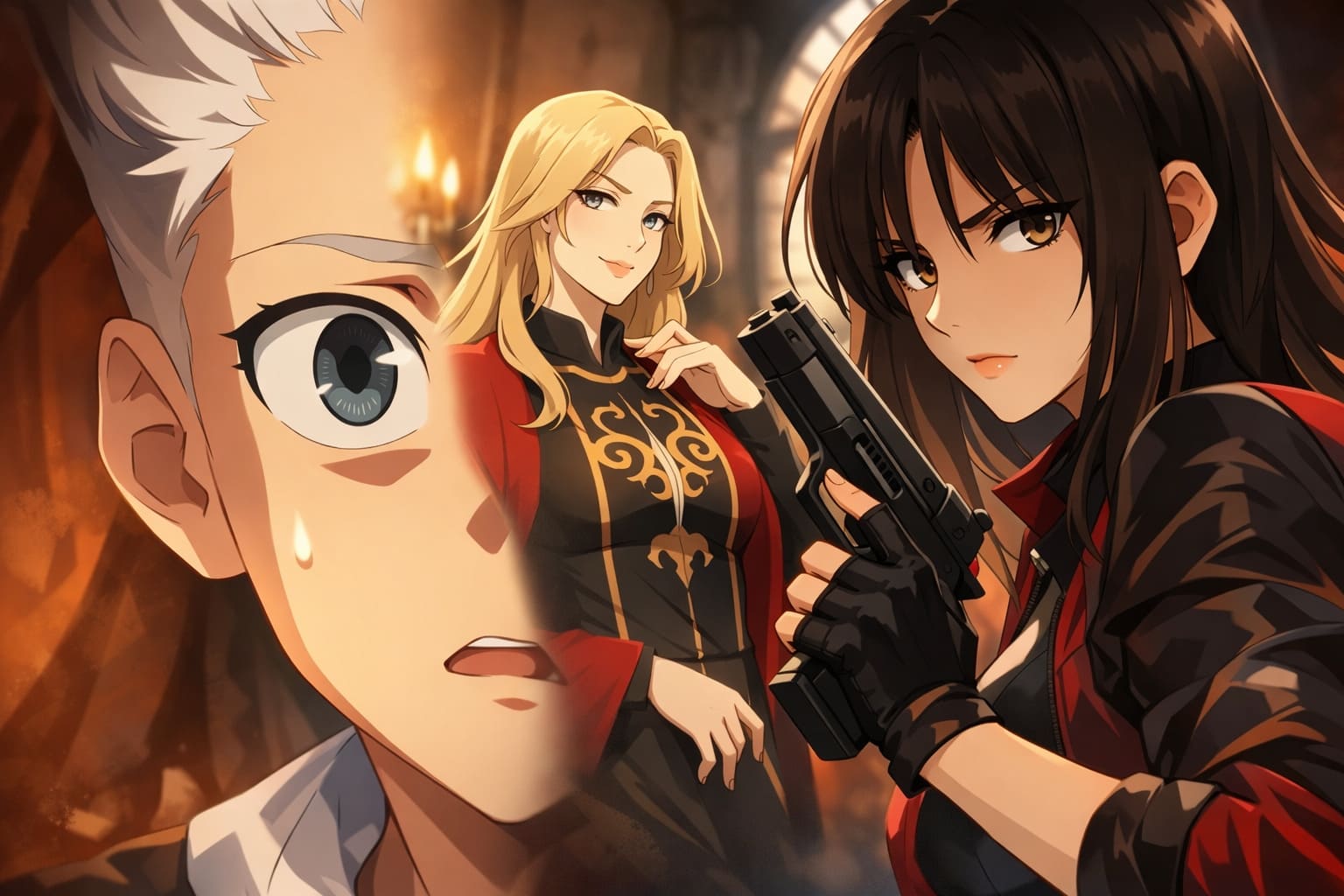
It’s about demon refugees. Yes, you read that right. In this Netflix reimagining, the residents of Makai (the Underworld) aren’t just mindless monsters—they’re a persecuted group seeking sanctuary in the human world.
And honestly, as a long-time anime fan, this shift made me both intrigued and, at times, skeptical.
Here’s my take on why this bold narrative choice is sparking debates across the fandom, and why it might just be the most daring Devil May Cry adaptation yet.
Is Blue Lock Manga Finished in 2026? Ending Rumors and Final Arc Explained
1. Demons as “The Other”
The first thing that hits you is how the show redefines demons. In the original Capcom games, demons were pretty much universal symbols of chaos and evil. You didn’t overthink it: shoot first, stylishly kill monsters, and save the day. But here, Netflix takes a sociopolitical angle: demons aren’t inherently evil—they’re a race shaped by oppression.
- Demons as Immigrants: The show portrays lower-class demons as victims of their hierarchical society in Makai. Their “”invasion”” of the human world isn’t conquest—it’s survival. Think of them as desperate refugees fleeing warzones, not bloodthirsty villains.
- The Human-Looking Dilemma: Many of these demons look almost human, which is deliberately designed to make audiences empathize. And here’s where it gets tricky: some fans argue we only care about “the other” if they resemble us. It’s a bold narrative choice that forces viewers to confront unconscious biases—something the original games never bothered with.
2. Fear, Paranoia, and the Modern Social Mirror
One of the most fascinating—and uncomfortable—parts of this adaptation is how it mirrors modern society’s response to fear. Much like Devilman Crybaby, where demons were a reflection of human hysteria, Netflix’s DMC uses demons as a metaphor for societal paranoia.
- Fear as a Weapon: When humans realize demons exist, the real threat shifts from the monsters to human reactions. Governments, media, and communities exploit fear to justify oppression.
- Dehumanization: Calling someone a “demon” is an allegory for labeling real-world groups—“illegal,” “invader,” or “other.” It’s a reminder of how language can strip empathy and rationalize violence.
In a world where headlines and social media can warp reality in seconds, this theme feels eerily timely.
3. Fan Reactions: Split Down the Middle
The DMC fandom is notoriously passionate, and this narrative pivot has been a lightning rod for debate. Scroll through Reddit, Tumblr, or YouTube, and you’ll see the discussion divide almost neatly into two camps.
Supporters of the Change:
- Argue that it adds depth to the story, showing that demons aren’t monolithic.
- Point to Sparda, Dante’s father, as proof that a demon can choose justice over cruelty. If Sparda could change, why can’t others?
- Enjoy the moral complexity it brings—Dante now has to weigh which demons deserve his protection, giving his choices real emotional and ethical weight.
Critics of the Change:
- Feel the “demon refugee” angle strips demons of their terrifying, otherworldly aura.
- Argue that the series is leaning too hard into real-world politics, which can feel preachy in an action-heavy franchise.
- Miss the original “cool guy with guns” vibe, claiming this adaptation prioritizes moral lectures over adrenaline.
This division isn’t just about taste; it’s about how far a beloved franchise can go when reinterpreted for modern social themes.

4. The Shadow of Devilman Crybaby
You can’t discuss Netflix’s DMC without acknowledging the influence of Devilman Crybaby. That series was groundbreaking in using demons to expose human cruelty, hypocrisy, and fear of the unknown.
- The Baton of Love: In Devilman, the tragedy lies in humans becoming more monstrous than demons when empathy is lost. Netflix’s DMC borrows this lens, showing us that humanity’s reaction often defines morality more than the “monsters” themselves.
- A New Template: The success of Devilman Crybaby’s emotional depth seems to have given the DMC adaptation confidence to explore tragedy and moral ambiguity. This is a clear departure from the “just blow stuff up” formula, signaling a more introspective, adult-oriented narrative.
5. Dante in a Modern Moral Minefield
The most intriguing part of this adaptation is how Dante himself is recontextualized. No longer just the stylish demon hunter, he’s now a figure navigating the moral complexities of survival, justice, and prejudice.
| Character | Traditional Role | Netflix Adaptation Role | Fan Take |
|---|---|---|---|
| Dante | Stylish, lone demon hunter | Moral arbiter and protector | Mixed—admiration for depth, some miss the guns-blazing Dante |
| Trish | Demon ally, limited depth | A sympathetic, morally conflicted figure | Fans like the nuance, but some feel forced |
| Lady | Human hunter, sidekick | Actively engaged in ethical debate | Appreciated for agency and alignment with modern themes |
What’s fascinating is seeing a franchise hero wrestle with ethics, not just enemies. This is a rare opportunity for storytelling in action-oriented anime.
6. Why This Matters to Anime Fans
As a lifelong anime fan, I’m torn—but mostly excited. DMC has always been about spectacle, but Netflix’s approach challenges us to think while we watch. It asks uncomfortable questions:
- Can we empathize with those we’ve been taught to fear?
- Does morality require uniformity, or is it situational?
- Are monsters defined by their biology, or by their choices?
For fans who love thematic depth in anime—think Attack on Titan, Parasyte, or Devilman Crybaby—this is a thrilling development. For purists, it might feel like sacrilege. Either way, it’s conversation-starting content that refuses to be background noise.
Conclusion: A Risk Worth Taking?
Netflix’s Devil May Cry isn’t just about stylish violence anymore. It’s about redefining the very meaning of “monster”, injecting social commentary, and putting Dante in a position where every choice carries ethical weight. Whether this gamble pays off in the eyes of the fandom remains to be seen, but it’s undeniably ambitious.
As we wait for the episodes to drop, one thing is certain: the demon refugee allegory has made DMC a mirror reflecting our fears, biases, and moral dilemmas—turning a beloved action series into a thought-provoking social lens. And honestly? That’s a gamble I’m glad someone took.


