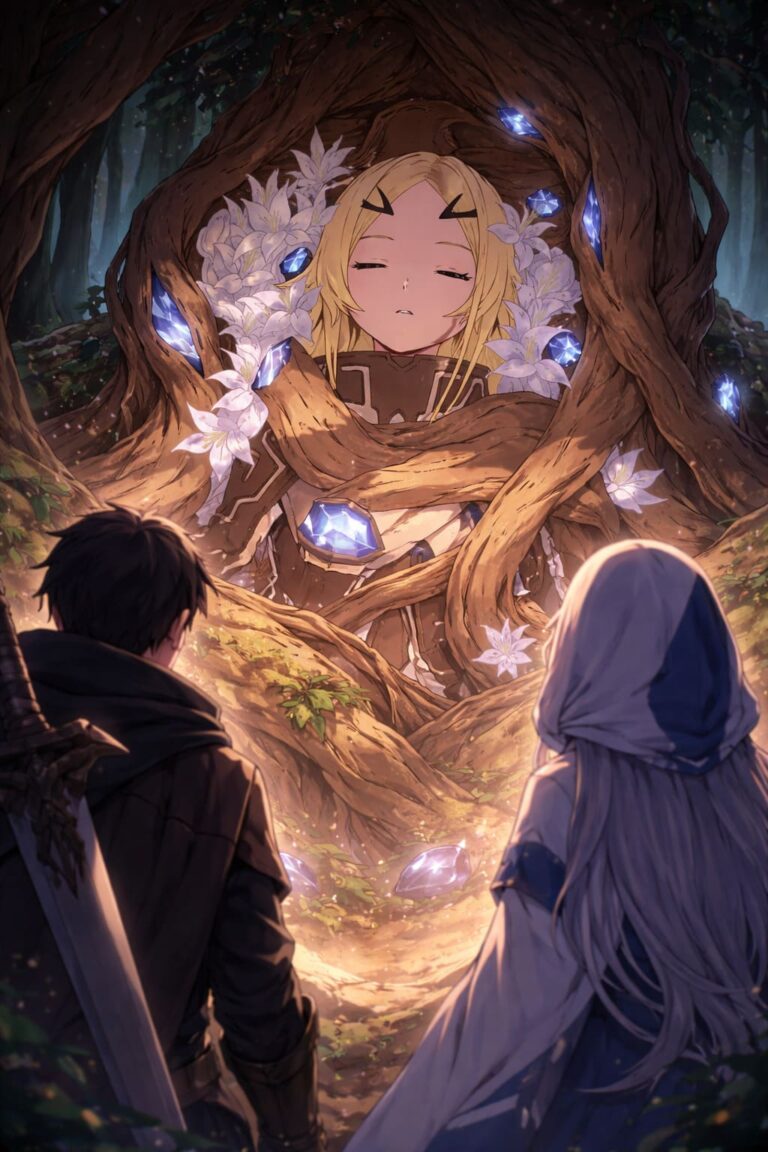
Pointed Hat witches vs Harry Potter wizards. Witch Hat Atelier
At first glance, both Witch Hat Atelier and Harry Potter share the iconic image of the pointed hat. But look closer, and you realize these worlds approach magic, education, and societal rules in totally different ways.
For fans of intricate world-building and magical theory, this comparison is a goldmine.
Discover more: Ichi the Witch Chapter 70: Release Date, Theories & Why the Hype Is Real
The Magic System: Ink vs. Intent
The biggest difference lies in the mechanics of magic. Witch Hat Atelier uses a precise, almost scientific approach: magic is drawn using glyphs with special ink and pens.
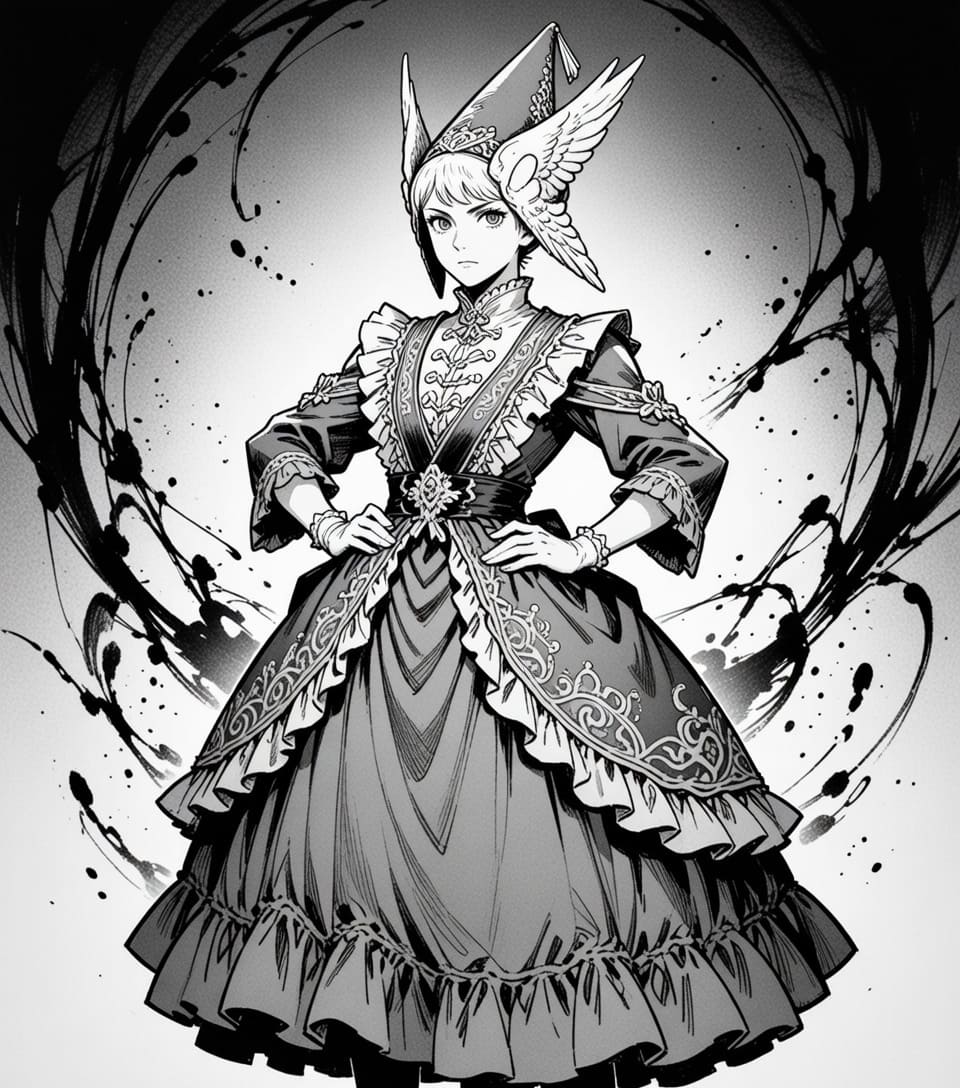
Each spell has a central sigil (the element, like fire or wind) and keystones (instructions like “expand” or “point up”). A crooked line or misplaced keystone can result in a failed or dangerous spell. It’s craftsmanship and caution combined.
Harry Potter, on the other hand, is more intuitive. Magic is internal, channeled through a wand with incantations and gestures, but mostly powered by emotion and will. The mechanics are “soft”—the universe leaves room for imagination, like how a Patronus transforms fear into a glowing animal.
Gatekeeping Magic: Bloodlines vs. Law
Both societies keep magic hidden, but the reasons diverge. In HP, magic is mostly genetic—you’re born with it or you’re not. WHA flips this idea on its head: anyone can learn magic.
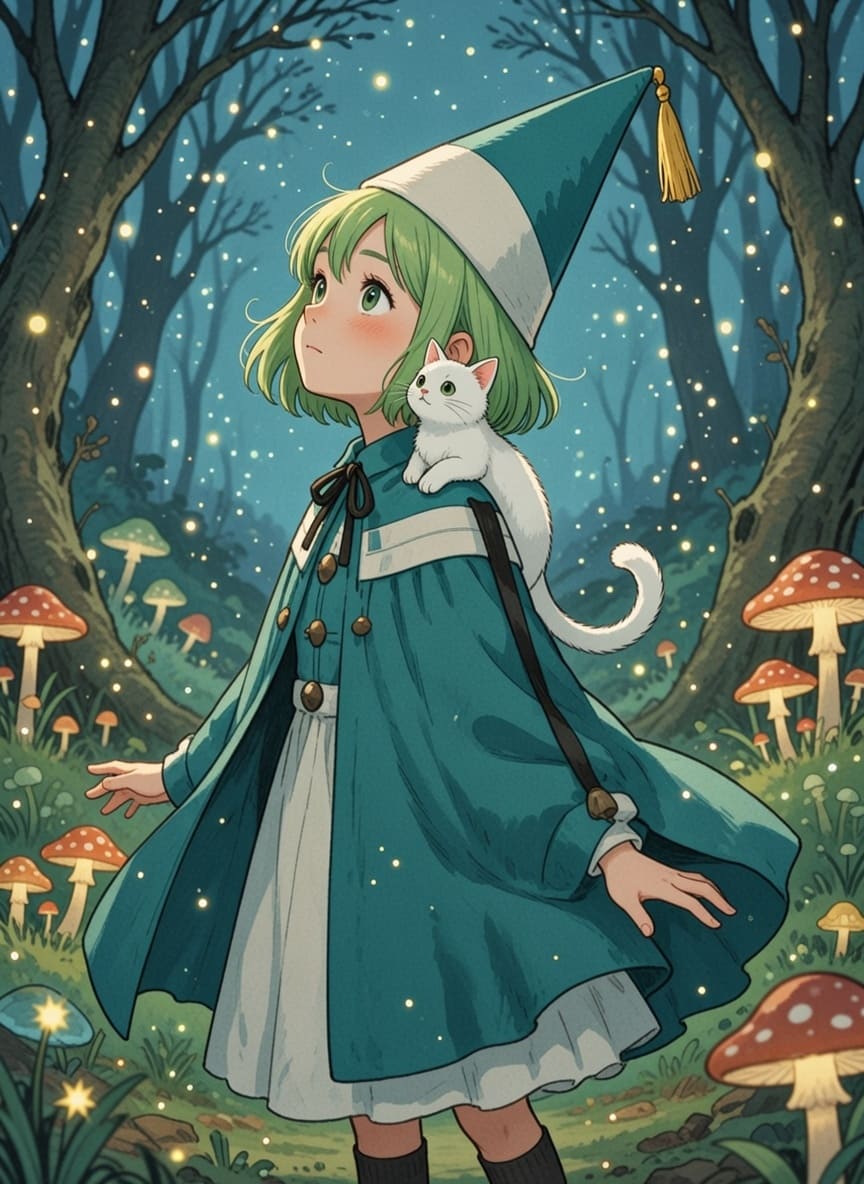
Pointed Hat witches maintain control by law, memory spells, and societal rules, hiding the fact that magic is a skill anyone can master. This backstory adds a moral and ethical layer that HP rarely explores.
Symbolism of the Pointed Hat
- WHA Pointed Cap: Legally required, no brim, symbolizes transparency and accountability. Brimmed hats = rebellion and forbidden magic.
- HP Pointed Hat: Part of Hogwarts uniform, cultural identity, less philosophical weight, more tradition than law.
Artistry vs. Consumerism
WHA celebrates artisanal magic. Apprentices make tools like Sylph Shoes or custom pens and train in intimate ateliers under a master’s guidance.
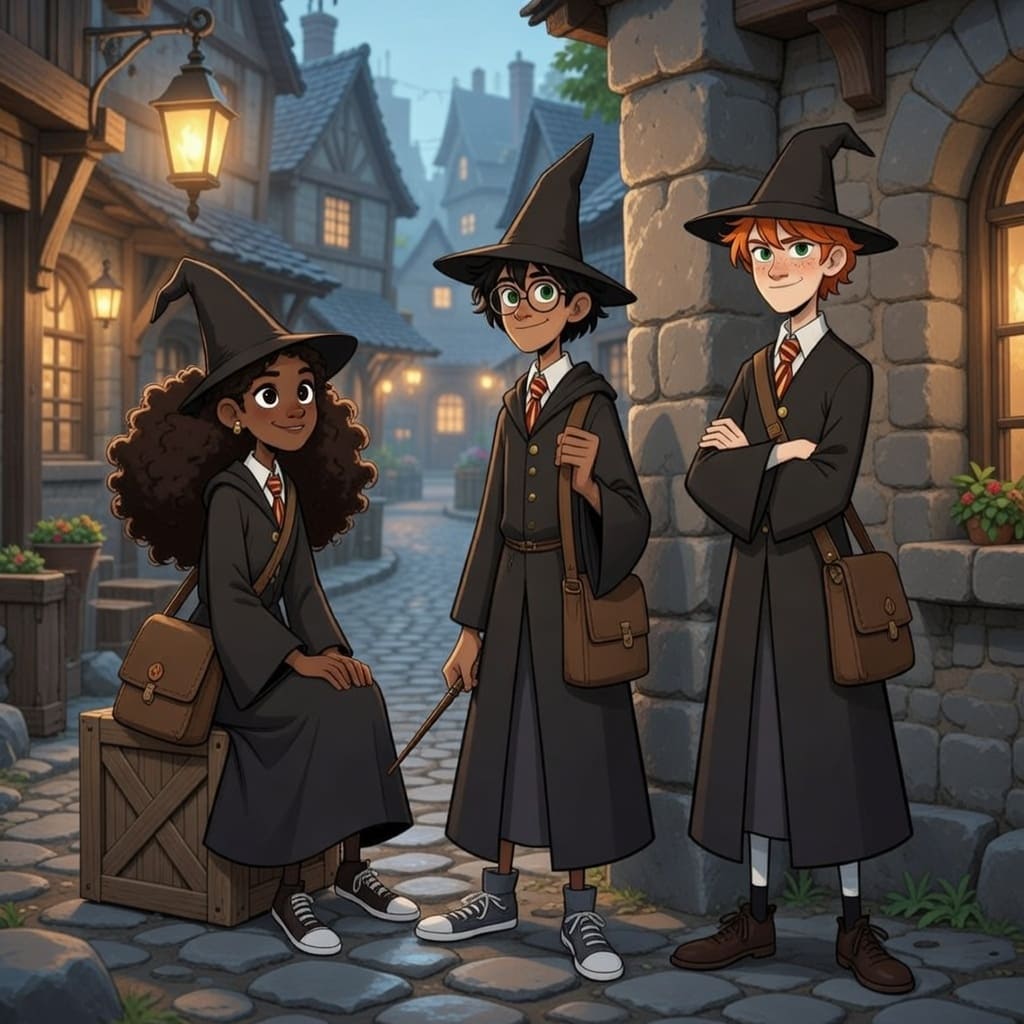
HP’s magic economy is more consumerist: wands from Ollivanders, robes from Madam Malkin’s, brooms from manufacturers, with Hogwarts as a massive institutional school. The contrast is almost a commentary on the difference between craft and commodity.
Quick Comparison Table
| Feature | Witch Hat Atelier (Pointed Hats) | Harry Potter (Wizards) |
|---|---|---|
| Source of Power | External (Ink & Drawing) | Internal (Innate Ability & Wand) |
| Accessibility | Learned Skill (Gatekept by Law) | Genetic/Biological Trait |
| Education | Intimate Apprenticeship | Institutionalized Schooling |
| Primary Tool | Fountain Pen/Stylus | Wand |
| Key Conflict | Ethics of Power & Information Control | Pure-Blood Supremacy & Good vs. Evil |
| Symbolism | Transparency (No Brims) | Cultural Tradition/Identity |
In short, while Harry Potter set the standard for “wizard school” stories, Witch Hat Atelier offers a deeper, more thoughtful look at magic as creation, ethics, and skill. Where HP is about inherited power, WHA is about earned mastery—and that difference makes every stroke of a magical pen feel profound.