The Knights Moralis in Witch Hat Atelier: Purpose, History, and the Dark Side of Magical Law
If you’ve spent any time reading Witch Hat Atelier by Kamome Shirahama, you already know this isn’t just a cozy fantasy about spells and cute apprentices. Beneath the soft linework and whimsical tone sits one of the most morally tense systems in modern manga—and at the center of it are the Knights Moralis.
From a fan perspective, they’re one of the most fascinating (and frustrating) factions in the entire story. They’re not villains. But they’re definitely not heroes either.
What the Knights Moralis Actually Do (And Why It’s So Messed Up)
On paper, the Knights Moralis are simple: they enforce magical law. Think of them as elite magical regulators operating under the Witch Council. But once you dig deeper, their role becomes uncomfortable.
Here’s the short version of their responsibilities:
- Memory erasure of anyone who learns the truth about magic
- Strict policing of witches, especially regarding forbidden magic
- Tracking down rogue factions, like the Brimmed Hats
- Monitoring ateliers to prevent illegal experimentation
Sounds reasonable, right? Until you realize that “memory erasure” is basically wiping parts of someone’s identity.
And the worst part? They don’t hesitate.
The “Day of the Pact”: Peace Built on a Lie
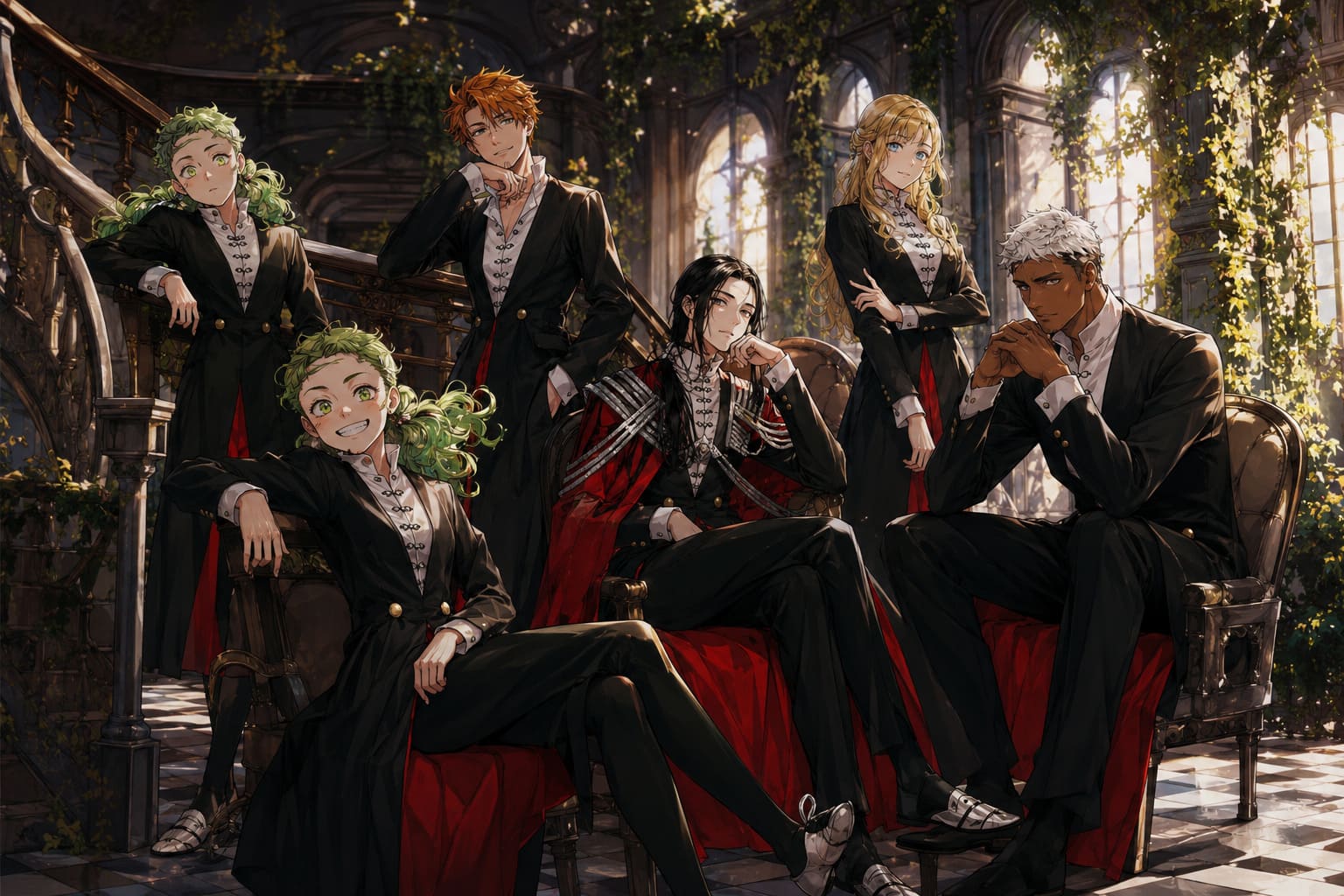
Everything the Knights Moralis stand for traces back to one event: the Day of the Pact.
Long story short, magic used to be public knowledge. Then people abused it—badly. Wars, body horror, environmental destruction—you name it. So the witches decided to erase magic from public awareness entirely.
That’s when society split into two distinct groups:
| Group | Description |
|---|---|
| Pointed Hat Witches | Keepers of magic’s secrets |
| Unknowings | Regular people, unaware magic is learnable |
The Knights Moralis exist to protect this divide at all costs.
And that phrase—at all costs—is where things get morally gray.
Witch Hat Atelier Mystery: The Dark Secrets of Coco’s Picture Book Explained
My Take: They’re Right… But Also Completely Wrong
This is where Witch Hat Atelier really shines.
Because honestly? The Knights Moralis aren’t irrational.
If magic is literally just drawing symbols that can alter reality, then letting everyone access it sounds like a disaster. Imagine modern society, but anyone can accidentally destroy entire cities with a single mistake.
So from a pure risk management perspective, the secrecy makes sense, the enforcement makes sense, and even the harshness can be justified.
But here’s the problem: they’ve crossed the line from protection into control.
They don’t just prevent danger—they suppress possibility.
The Real Horror: Memory Erasure
Let’s talk about the biggest issue.
Memory wiping in this series isn’t treated like a quick reset button. It feels more like a quiet destruction of identity.
When the Knights erase someone’s memories, they’re removing experiences, relationships, and personal growth—everything that defines a person.
And they’ll do it to anyone: adults, innocent witnesses, even children.
Coco’s situation early in the story makes this painfully clear. If things had gone slightly differently, she could have lost everything—and the Knights wouldn’t have hesitated.
That’s the moment where, as a reader, you start questioning them seriously.
Key Members: Not Evil, Just Unshakable
One of the strongest aspects of the story is that the Knights aren’t written as simple villains.
Characters like Vinanna and Easthies aren’t cruel for the sake of cruelty. They genuinely believe they are preventing another collapse of the world.
And that belief is exactly what makes them dangerous.
- They don’t question the system
- They prioritize law over empathy
- They see deviation as a threat, not a possibility
It’s not malice—it’s absolute conviction.
The Qifrey Factor: Where the System Starts to Crack
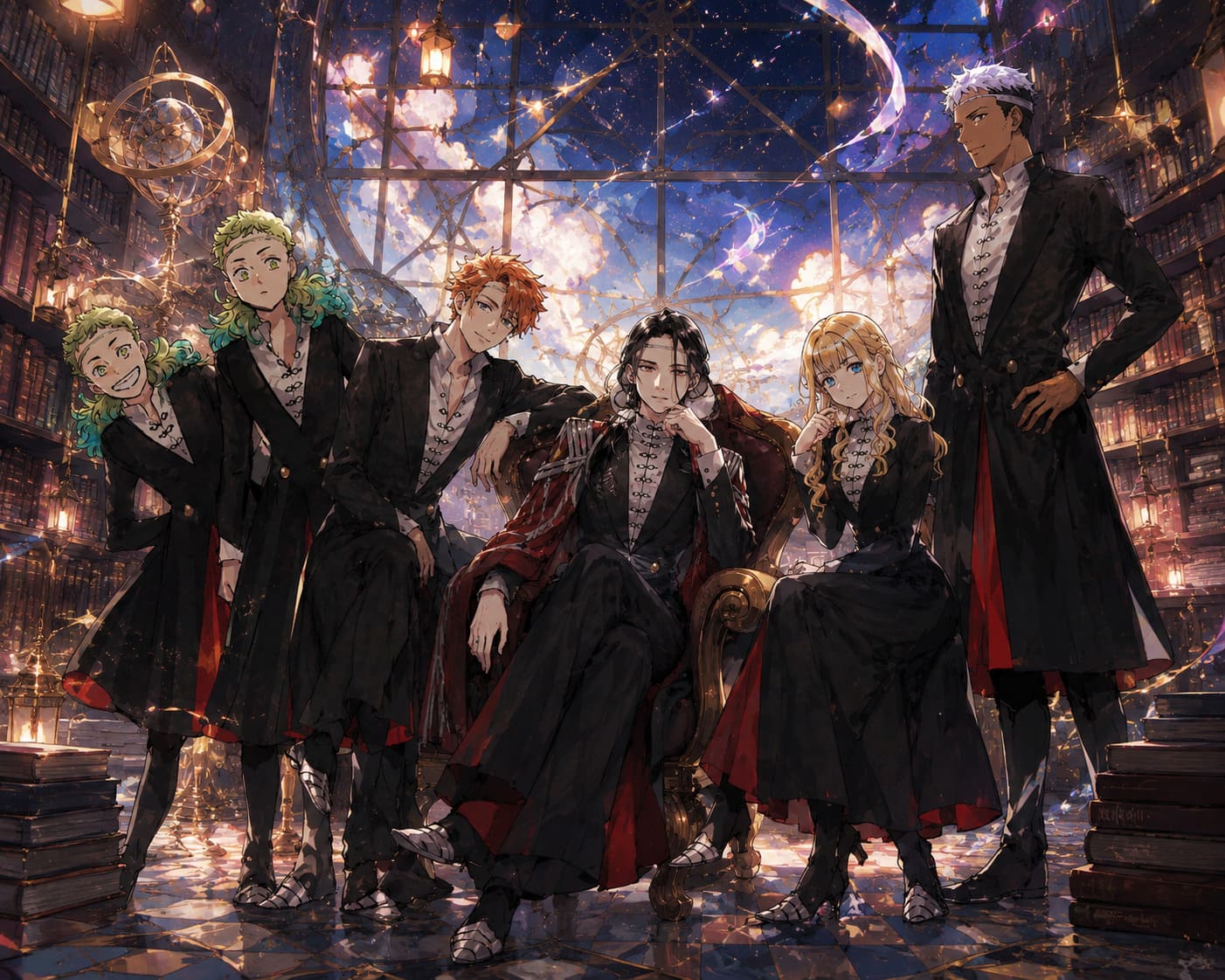
Then you have Qifrey.
He operates within the same system but constantly pushes against its boundaries. His personal motivations and past trauma make him unpredictable in the eyes of the Knights Moralis.
They see him as unstable, potentially dangerous, and too willing to bend the rules.
And to be fair, they’re not entirely wrong.
But Qifrey represents something the Knights lack: flexibility and emotional depth.
This tension between rigid law and human nuance creates one of the most compelling dynamics in the entire story.
Why Fans Are So Divided (And Why That’s a Good Thing)
Within the community, opinions on the Knights Moralis are deeply split.
Some fans argue they are necessary to prevent chaos and protect society from the dangers of unrestricted magic.
Others see them as oppressive figures who erase identities, manipulate history, and maintain control through fear.
Both perspectives are valid, which is exactly why this topic generates so much discussion.
Personally, it’s hard to fully support a system that justifies rewriting people’s minds. At that point, it stops being protection and starts becoming domination.
Final Thoughts: A Fragile Peace That Won’t Last
The Knights Moralis represent more than just a magical enforcement group.
They embody a central question: how much freedom are you willing to sacrifice for safety?
And the story doesn’t offer an easy answer.
As the narrative progresses, it feels inevitable that the system they uphold will begin to break. When that happens, the Knights will no longer be simple enforcers—they will become the final barrier between order and chaos.
And when that moment comes, choosing a side may not be as easy as it seems.