Why TBATE Season 2 Is Constantly Compared to Jobless Reincarnation Season 3
If you have spent even ten minutes inside anime Reddit threads, TikTok edits, or YouTube comment wars lately, you already know one thing: people cannot stop comparing The Beginning After The End Season 2 with Mushoku Tensei: Jobless Reincarnation Season 3.
And honestly? I get it.
As someone who has followed both series for years — from web novel discussions to anime adaptation announcements — the comparison feels almost inevitable now. These shows are connected in ways that go way deeper than “both are isekai.” What makes the debate so interesting is that they start from a surprisingly similar foundation but evolve into completely different experiences.
One becomes a polished, emotionally messy life story about redemption and family. The other transforms into a high-powered fantasy war saga with massive progression scaling and heroic spectacle.
That contrast is exactly why fans are obsessed with putting them side by side in 2026.
Two Academy Arcs, Two Completely Different Energies
The biggest reason the comparison exploded again is timing.
Both anime are currently moving through major “transition” phases centered around academy-style storytelling. And anime fans love analyzing this type of arc because it usually decides what kind of series a fantasy story truly wants to become.
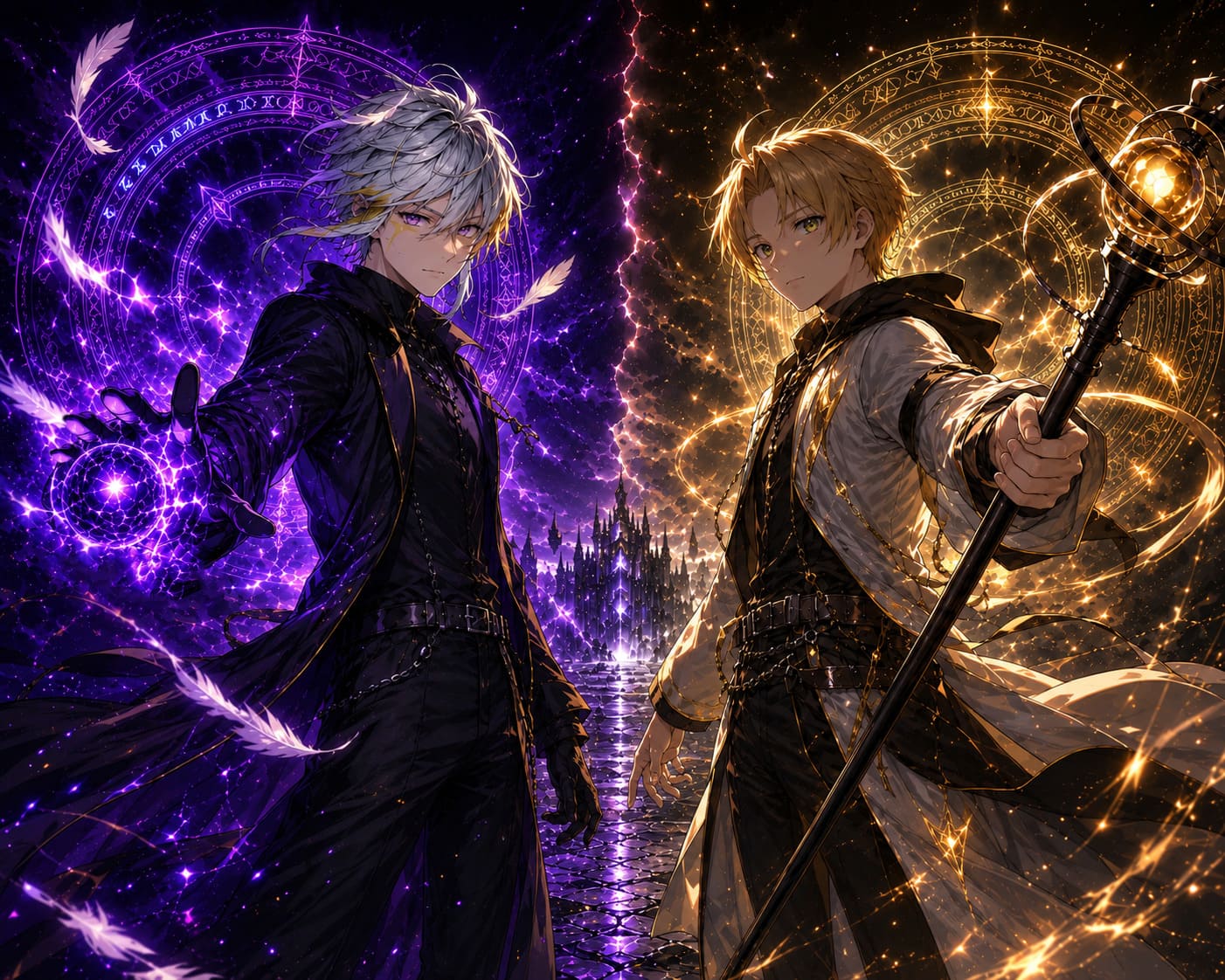
In TBATE Season 2, Arthur Leywin enters Xyrus Academy, and the vibe shifts immediately. The story stops feeling like a simple reincarnation adventure and starts building political tension, rivalries, faction conflicts, and future war setups. If you read the manhwa years ago, you probably remember this arc as the calm before absolute chaos.
Meanwhile, Mushoku Tensei Season 3 continues pushing beyond Rudeus’ academy life into something more mature and grounded. Instead of leaning harder into tournament-style progression, the series focuses on relationships, responsibilities, family, and the terrifying long-term influence of Hitogami.
That difference matters.
- Arthur’s academy arc feels like the beginning of a legendary hero’s rise.
- Rudeus’ post-academy journey feels like watching a flawed person slowly learn how to live like a real adult.
Both approaches work — but they attract very different audiences.
TBATE Was Clearly Inspired by Mushoku Tensei — And Fans Know It
This is where the debate gets unavoidable.
The creator of The Beginning After The End, TurtleMe, has openly acknowledged that Mushoku Tensei helped inspire parts of his story structure. Because of that, early similarities between the two series are impossible to ignore.
Here are the obvious parallels fans constantly bring up:
| TBATE | Mushoku Tensei |
|---|---|
| Reincarnated protagonist from Earth | Reincarnated protagonist from Earth |
| Retains memories from past life | Retains memories from past life |
| Learns magic extremely early | Learns magic extremely early |
| Fantasy world with mana systems | Fantasy world with mana systems |
| Child prodigy protagonist | Child prodigy protagonist |
| Journey away from home at a young age | Journey away from home at a young age |
When TBATE Season 2 trailers started appearing online, newer anime fans immediately noticed the overlap. Social media was flooded with takes calling it “clean Mushoku Tensei” or “the shonen version of MT.”
Some fans say that comparison is unfair.
Others think it is completely accurate.
Personally, I think TBATE eventually becomes its own beast once the larger war narrative begins. But denying the early influence is basically impossible at this point.
Arthur vs. Rudeus Is the Real Battlefield
This might actually be the biggest reason discussions get heated.
Arthur Leywin and Rudeus Greyrat represent two completely opposite philosophies for reincarnation protagonists.
Arthur Leywin
- Calm and disciplined
- Naturally heroic
- Protective toward family and friends
- Morally stable
- Built like a classic fantasy power protagonist
Rudeus Greyrat
- Deeply flawed and controversial
- Emotionally damaged
- Often selfish or immature
- Slowly develops through painful mistakes
- Defined by redemption rather than heroism
A huge part of the anime community simply prefers Arthur because he is easier to root for. He behaves like the protagonist many viewers want to follow.
Rudeus, on the other hand, constantly challenges the audience. Even after years of character growth, parts of the community still dislike him because of his behavior earlier in the story.
That is why you constantly see comments like:
“TBATE is Mushoku Tensei without the uncomfortable stuff.”
But supporters of Mushoku Tensei usually counter with another argument:
“Rudeus feels more human because he is messy.”
And honestly, that debate probably never ends.
- Arthur is aspirational fantasy.
- Rudeus is uncomfortable realism wrapped inside fantasy.
The Beginning After the End vs Mushoku Tensei: Full Comparison & Core Differences
The Animation Comparison Is Brutal
This is the part where TBATE fans get defensive fast.
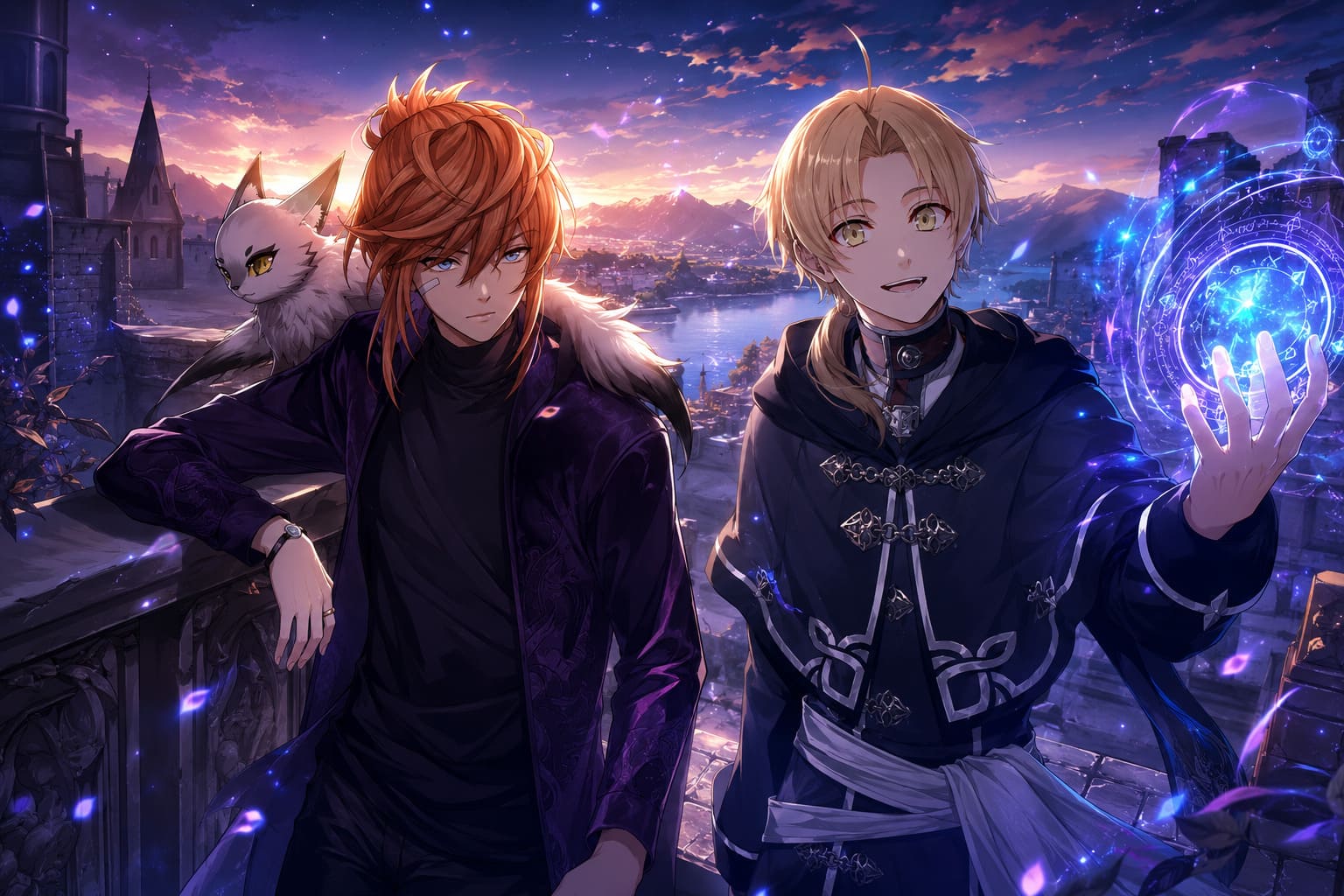
Jobless Reincarnation is animated by Studio Bind, which was literally formed to give the series a premium adaptation. The result speaks for itself. The animation, cinematography, environmental detail, and magic choreography are still among the best in modern fantasy anime.
By comparison, TBATE Season 2 has faced constant criticism for its production quality.
A lot of viewers expected the anime adaptation to look closer to the polished style of the manhwa. Instead, many scenes feel noticeably limited in motion and visual impact compared to other major fantasy releases.
That does not mean the story is bad.
Not even close.
But anime is a visual medium, and first impressions matter. When people compare the two shows side by side, Mushoku Tensei almost always wins the production argument immediately.
Here is the frustrating part for longtime TBATE readers:
Many fans genuinely believe the source material deserved a top-tier studio because the later arcs become absolutely massive in scale.
You can feel that disappointment all over Reddit discussions right now.
These Stories Eventually Become Completely Different
What makes this comparison fascinating is that the similarities slowly disappear over time.
At first, both series feel connected.
Then they split into opposite directions.
TBATE Eventually Becomes:
- A large-scale war fantasy
- Heavy progression power fantasy
- Focused on combat evolution
- Built around escalating threats
- Centered on heroic responsibility
Mushoku Tensei Eventually Becomes:
- An intergenerational life story
- Focused on family and legacy
- Character-driven over action-driven
- Emotionally grounded
- About living a second life properly
And this is why I think the anime community keeps arguing about them.
People are not really debating which show is “better.”
They are debating what they personally want from fantasy anime.
Do you want:
- explosive progression,
- overwhelming power scaling,
- massive battles,
- and heroic spectacle?
Or do you want:
- emotional realism,
- flawed characters,
- family drama,
- and long-term character evolution?
That divide is what keeps these conversations alive.
Final Thoughts
As a fantasy anime fan, I honestly think we are lucky both series exist at the same time.
TBATE scratches the itch for viewers who love powerful protagonists, intense magical combat, and massive payoff moments. It understands hype incredibly well.
Mushoku Tensei, meanwhile, still feels like one of the most ambitious character-focused isekai stories ever adapted into anime. Even when it becomes controversial, it never feels emotionally shallow.
The funny thing is that without Mushoku Tensei, TBATE probably would not exist in its current form.
But at the same time, TBATE has evolved far enough that calling it a simple clone no longer feels accurate either.
In the end, these two series are less like rivals and more like parallel evolutions of the same core idea — and watching fans argue about them every week has become part of the entertainment itself.