‘Dandelion’ vs. Bakuon!!: Two Very Different Biker Tales
If you’ve ever bounced between anime or manga genres the same way you switch between game styles—jumping from a hardcore simulator to something chaotic and story-driven—you’ll understand how satisfying it is to find two titles that share a theme but feel completely different.
That’s exactly what happens when you compare Bakuon!! and Angels on a Bike (Dandelion).
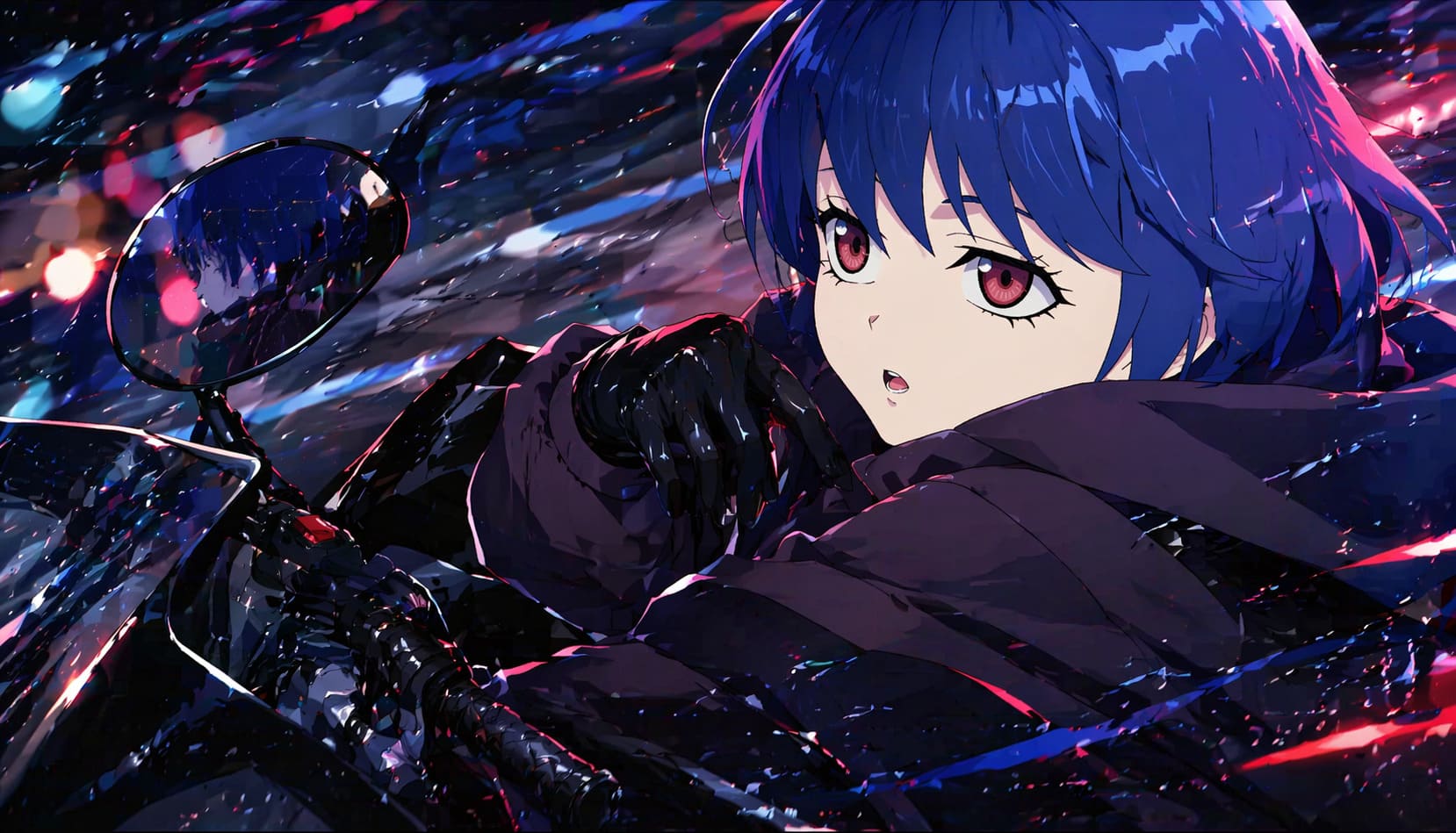
On the surface, both revolve around bikes, school life, and comedy. But once you actually dive in, the experience splits into two totally separate lanes.
One is grounded in reality and mechanical obsession, while the other throws logic out the window in favor of emotional storytelling and absurd humor.
This isn’t just a comparison—it’s more like looking at two different philosophies of storytelling built around the same idea.
The Core Difference: Hobby vs. Meaning
At its core, Bakuon!! is about the simple joy of riding motorcycles. It doesn’t try to hide it or overcomplicate things.
The story follows a group of high school girls who bond over bikes, and everything revolves around that shared passion. It’s direct, focused, and surprisingly sincere under all the jokes.
Angels on a Bike, on the other hand, uses the concept of “bikes” more like a narrative device than a central theme.
Sometimes they matter, sometimes they’re just part of the joke. What actually drives the story is the idea of life, death, and the strange emotional connections between people.
If you had to simplify it, Bakuon!! makes you want to ride, while Angels on a Bike makes you question why you’re even on the road in the first place.
Tone: Light Satire vs. Emotional Chaos
Bakuon!! leans heavily into lighthearted satire. It pokes fun at motorcycle culture, brand loyalty, and the quirks of enthusiasts without ever becoming mean-spirited. The humor is consistent, easy to follow, and designed to entertain without demanding much emotional investment.
Angels on a Bike takes a completely different approach. It jumps between crude jokes, absurd situations, and unexpectedly emotional moments. One scene might feel like pure nonsense, and the next hits with surprising depth. That unpredictability is part of its identity.
Reading Bakuon!! feels like relaxing with something familiar and funny, while Angels on a Bike feels like stepping into something that can shift tone at any moment.
Mechanical Detail vs. Narrative Freedom
One of the strongest aspects of Bakuon!! is its attention to detail. The motorcycles are drawn with care, real-world models are clearly recognizable, and the series doesn’t shy away from explaining how things work.
You get bits of knowledge about maintenance, riding techniques, and even licensing, all wrapped in humor.
Angels on a Bike doesn’t care about any of that. Mechanics take a back seat to storytelling. Vehicles can turn into visual gags, symbolic elements, or completely absurd constructs. Logic isn’t ignored—it’s just not the priority.
In one series, understanding the machine enhances the experience. In the other, the experience comes from letting go of that need for understanding.
Characters: Familiar Archetypes vs. Unpredictable Personalities
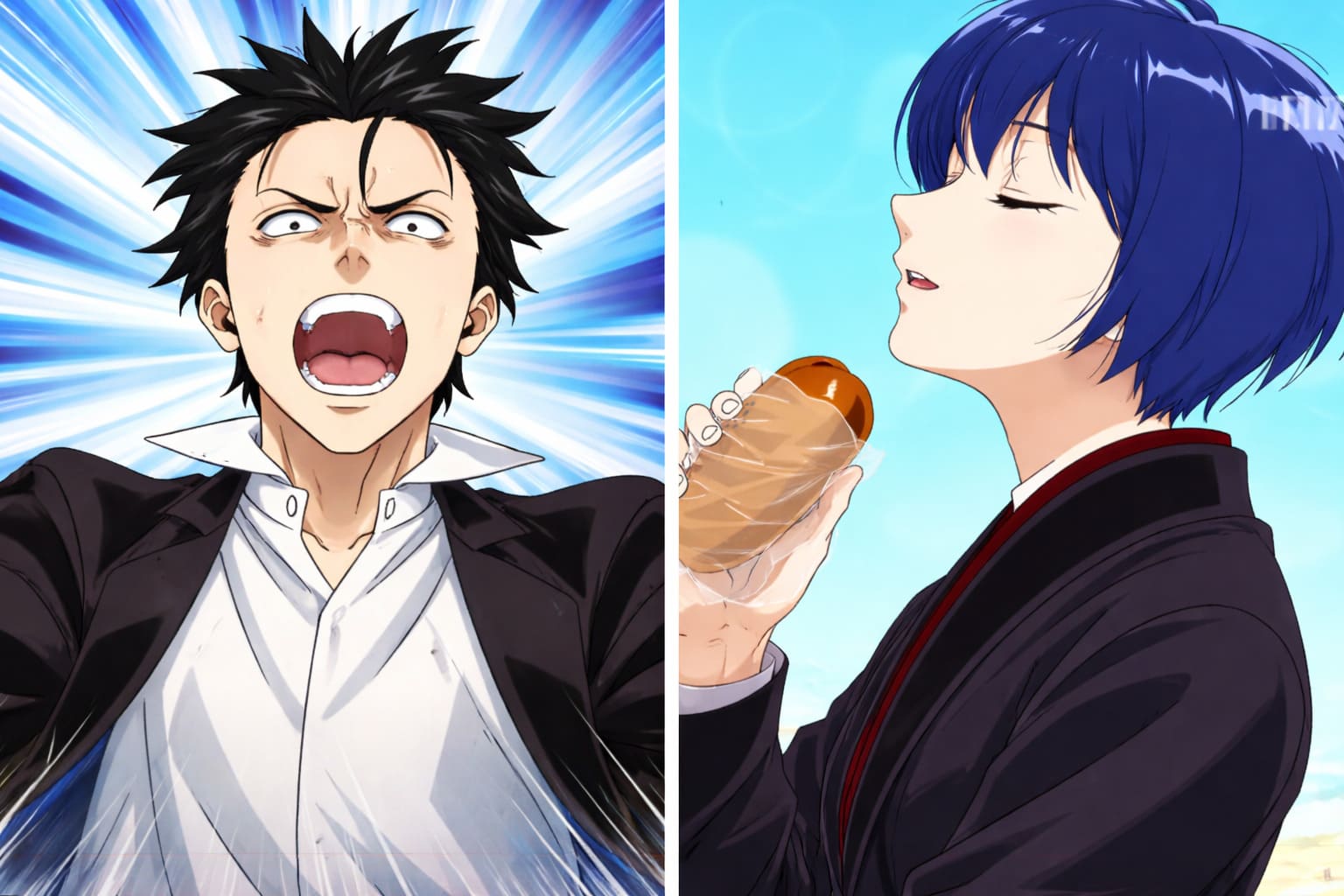
Bakuon!! builds its cast around recognizable character types. You have the enthusiastic beginner, the overly serious rider, the eccentric rich girl, and the brand-obsessed fanatic. These characters are exaggerated but grounded enough to feel believable within their world.
Angels on a Bike goes in the opposite direction. Its characters can feel chaotic, shifting between ridiculous behavior and genuine emotional depth. Their actions aren’t always predictable, and that unpredictability adds to the overall tone of the story.
Instead of relying on familiar roles, it creates personalities that feel messy and human in a different, less structured way.
Side-by-Side Comparison
| Feature | Bakuon!! | Angels on a Bike (Dandelion) |
|---|---|---|
| Genre | Slice-of-life, comedy, parody | Supernatural, comedy, action |
| Focus | Motorcycle culture | Life, death, and absurdity |
| Realism | High mechanical accuracy | Intentionally low and chaotic |
| Humor Style | Satirical and referential | Absurd and emotional |
| Emotional Depth | Light and consistent | Unpredictable and impactful |
| Overall Vibe | Relaxed and playful | Chaotic but meaningful |
Who Should Read What
If you enjoy stories built around real hobbies, Bakuon!! is an easy recommendation. It offers a mix of humor and genuine appreciation for motorcycle culture without becoming overwhelming. It’s approachable, entertaining, and perfect for casual reading.
Angels on a Bike is better suited for readers who want something less predictable. It rewards those who enjoy stories that mix comedy with emotional depth and aren’t afraid to get strange along the way.
Choosing between them depends less on quality and more on what kind of experience you’re looking for.
A Gamer’s Perspective
Looking at both through the lens of gaming makes the difference even clearer. Bakuon!! feels like a well-designed simulation-style game where understanding the mechanics enhances your enjoyment. It’s structured, polished, and consistent.
Angels on a Bike feels more like an experimental indie game. It might be chaotic, sometimes confusing, but it leaves a stronger emotional impression. It’s less about mastering systems and more about experiencing something unique.
Both approaches work—they just appeal to different moods.
Final Thoughts
Comparing Bakuon!! and Angels on a Bike isn’t really about deciding which one is better. They aim for completely different things and succeed in their own ways.
One celebrates a passion for motorcycles with humor and detail, while the other uses that same idea as a starting point for something far more abstract and emotional.
If you only read one, you’re only seeing half of what this niche can offer. Together, they show how flexible a simple concept like “girls and bikes” can become when handled by different creative visions.
Sometimes you want something grounded and fun. Other times, you want something strange that stays with you. These two series just happen to represent both sides perfectly.