The Mythology of Migi and Hidari: Guardian Statues in Daemons of the Shadow Realm
If you’ve been following Hiromu Arakawa since Fullmetal Alchemist, you probably had a certain expectation going into Daemons of the Shadow Realm. Strong world-building? Of course. Memorable characters? Guaranteed. But I honestly didn’t expect to get this attached to a pair of stone guardians.
And yet, here we are—Migi and Hidari completely stealing the spotlight.
This isn’t just another “summoned spirit” trope. There’s something deeper going on, and as a long-time anime and manga fan, I think that’s exactly why they’ve been blowing up in fan communities.
More Than Just Guardians
At first glance, Migi (“Right”) and Hidari (“Left”) seem straightforward: ancient protectors tied to the protagonist Yuru. Classic setup, right?
Not quite.
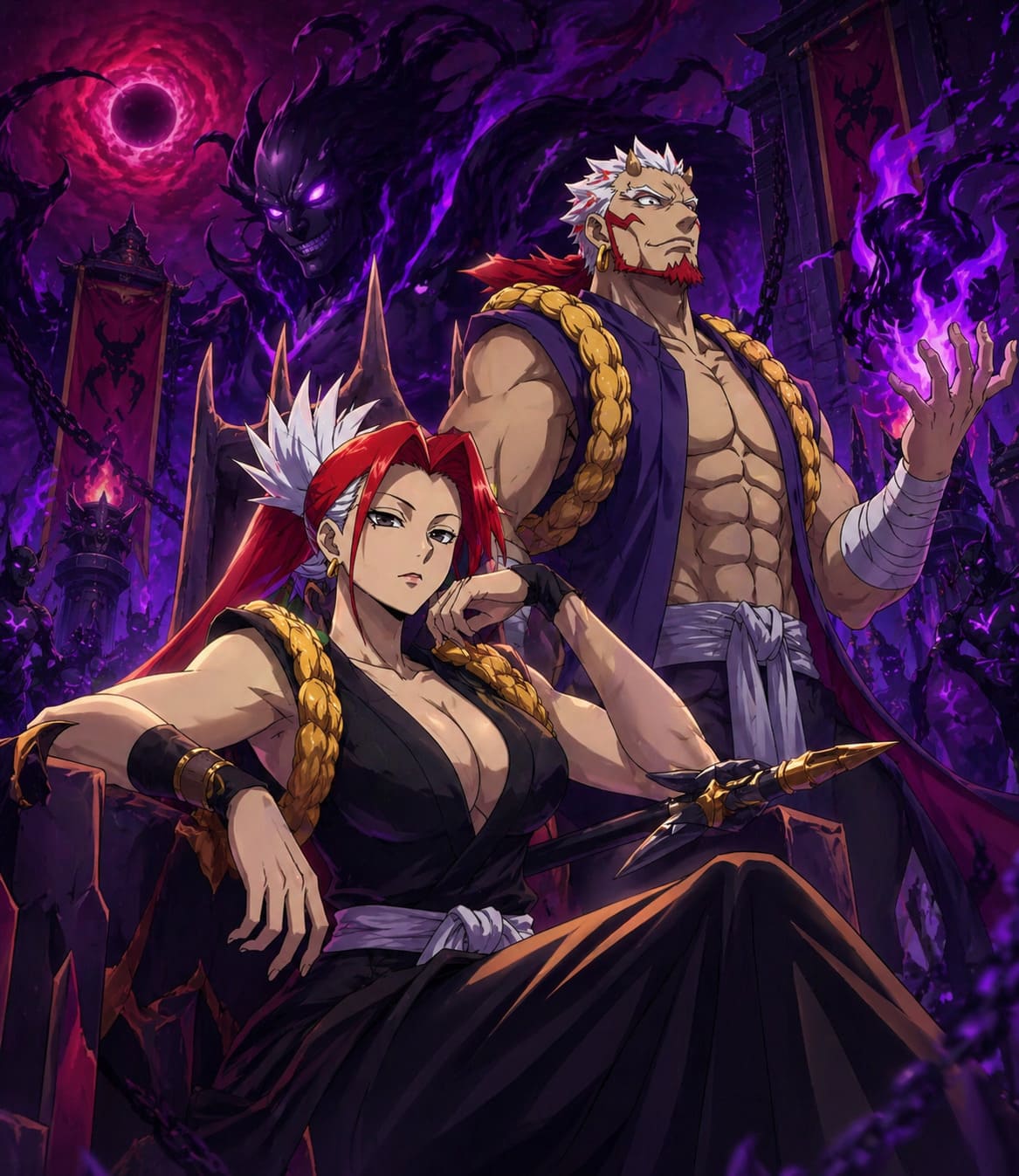
What makes them instantly stand out is how alive they feel despite literally being statues. When they awaken, they’re not slow or ceremonial—they’re sharp, reactive, and honestly kind of intimidating.
What hit me personally:
- They don’t behave like servants
- They don’t wait for permission
- They judge situations on their own
That autonomy changes everything. It turns them from tools into characters with presence.
The Power of Duality (Done Right)
| Element | Migi | Hidari |
|---|---|---|
| Direction | Right | Left |
| Energy | Direct, forceful | Calculated, aggressive |
| Vibe | Protector | Enforcer |
| Presence | Grounded strength | Sharp intensity |
Instead of making them opposites, Arakawa makes them complementary forces. They feel like two halves of the same instinct: protection.
And honestly, that balance makes every scene with them feel more dynamic.
Class 2-B Hero Destroyerz Chapter 3: Release Date, Recaps, and Fan Theories
The Folklore Influence (Why It Feels Authentic)
Even if you’re not into Japanese mythology, you can feel that Migi and Hidari are rooted in something real.
They clearly draw inspiration from Niō guardians and Komainu, the paired protectors found in temples and shrines across Japan.
But here’s the thing—I love how Arakawa doesn’t just copy mythology.
She remixes it.
Instead of static temple figures, you get mobile, combat-ready entities with personality. Instead of silent symbolism, you get characters who actively shape the story.
It’s that blend of respect and reinvention that makes them feel fresh.
That “Urban Spirit” Aesthetic
Let’s talk design for a second—because this is where things get really cool.
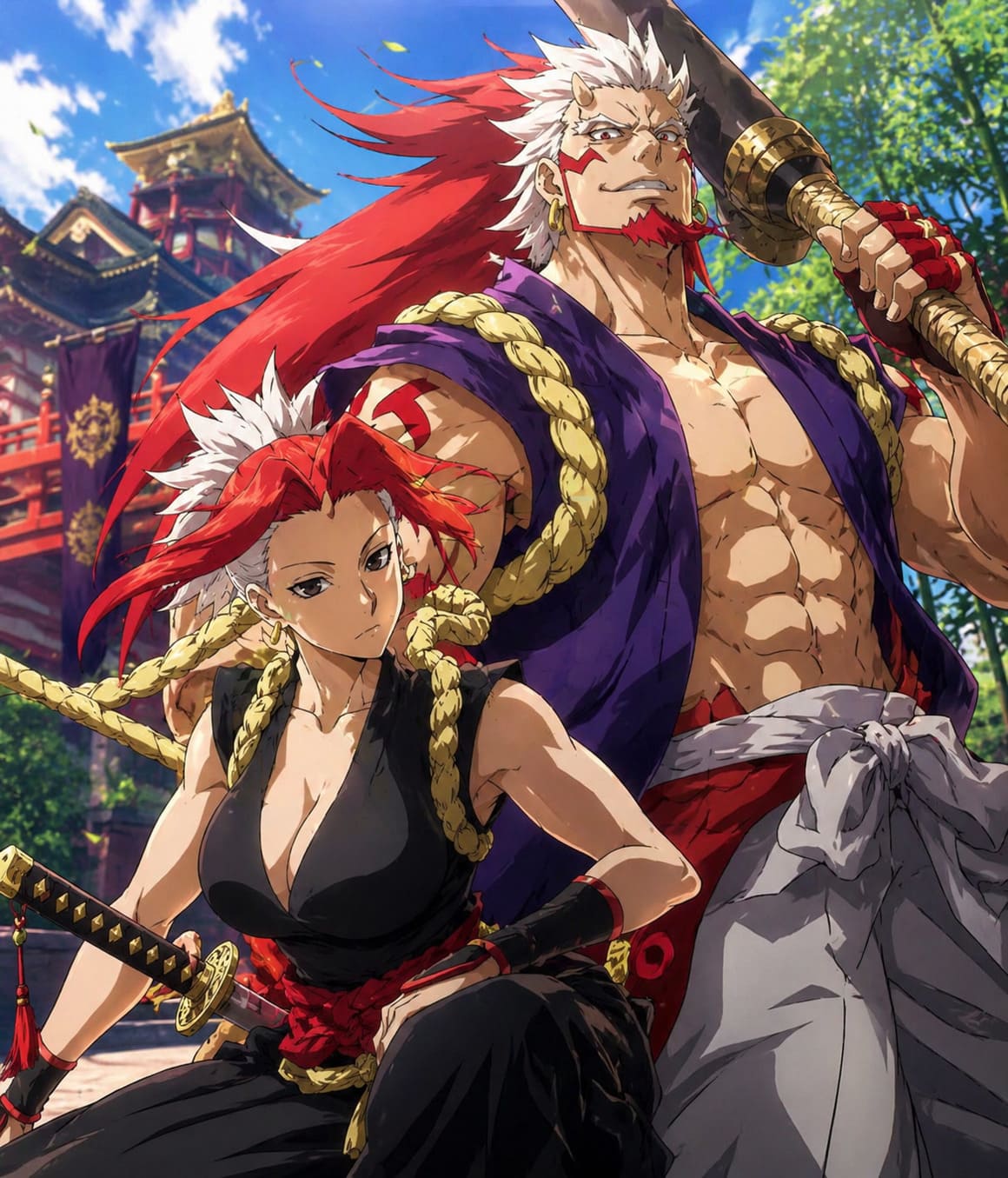
Migi and Hidari don’t look like traditional spirits. They’ve got rope elements inspired by shimenawa, mixed with modern clothing and a kind of streetwear aesthetic.
And somehow, it works perfectly.
This is one of those rare cases where old-world symbolism and modern fashion create something actually memorable.
I’ve seen a lot of fans online call this “urban fantasy done right,” and it’s hard to disagree.
Why Fans Can’t Get Enough
After digging through discussions across fan communities, a few clear reasons keep popping up.
1. They Feel Independent
Unlike typical anime summons, they don’t exist for Yuru—they exist with him. That subtle difference gives them real weight.
2. The “Tsugai” System Is Actually Interesting
The idea of bonded pairs isn’t new, but here it feels structured, mysterious, and slightly dangerous. There’s a sense that these contracts come with rules we don’t fully understand yet, and that tension keeps things engaging.
3. They Break Expectations
When you think “stone guardians,” you expect slow movement, heavy attacks, and defensive roles. Instead, we get speed, precision, and tactical awareness. It’s honestly refreshing.
Themes That Hit Hard
Beyond the action and design, Migi and Hidari tie into some of the series’ strongest themes.
Duality
Not just left and right, but deeper contrasts like life and death, human and supernatural, tradition and modernity.
Burden of Protection
They’re not just guardians—they’re bound by purpose. You can feel it in how seriously they act and how little they hesitate. There’s almost a quiet tragedy to it.
Old World vs New World
This might be the most compelling aspect. Ancient spirits exist alongside a modern, evolving world, and instead of clashing awkwardly, they blend in a way that feels natural, yet slightly uneasy.
Final Thoughts (From a Fan Perspective)
Migi and Hidari aren’t just cool side characters—they’re a big reason Daemons of the Shadow Realm feels different from other supernatural manga.
What really stands out is this: they feel ancient—but not outdated.
That’s a difficult balance to achieve, and Arakawa absolutely nails it.
If anything, they represent what makes her storytelling so strong: deep roots in tradition, a willingness to evolve those ideas, and characters that feel like they exist beyond the page.
And honestly, it feels like we’ve only seen the beginning of what they can do.