What are Tsugai in Daemons of the Shadow Realm?
If you’ve been following the rise of Daemons of the Shadow Realm (or its Japanese title Yomi no Tsugai), you’ve probably noticed one thing right away: this isn’t your typical “summon a monster and win” kind of series.
Coming from Hiromu Arakawa, the creator behind Fullmetal Alchemist, expectations were already high—and honestly, she delivered something even more interesting than many fans expected.
At the center of it all are the Tsugai—and they might be one of the most fascinating power systems in modern shonen.
What Are Tsugai (Really)?
On the surface, Tsugai are supernatural beings—often translated as “Daemons” or “Pairs.” But that simple definition doesn’t really capture what makes them special.
Here’s the core idea:
- Tsugai always exist in pairs
- They are spiritually linked to a human
- They operate under specific rules (not just raw power)
The word itself is layered. In Japanese, “tsugai” can mean a pair of bonded beings or even a hinge, symbolizing connection and interdependence. That second meaning is key, because these aren’t just two random creatures—they’re inseparable halves of a single concept.
Why Tsugai Feel Different From Other Anime Powers
Let’s be honest: a lot of shonen series fall into the same trap—power escalation with fewer rules over time.
Tsugai go the opposite direction.
Instead of: “I got angry, so now I’m stronger” you get: “I understand the rule, so now I can win.” That shift makes fights way more engaging and rewarding to watch.
What makes the system stand out:
- Duality is mandatory — you’re always dealing with two linked entities
- Rules over raw strength — abilities come with conditions
- Limited visibility — not everyone can even see them
- Contracts matter — power must be earned through a bond
Yuru and Asa Twin Prophecy Explained: The Secrets Behind Daemons of the Shadow Realm
How Tsugai Work in Practice
To really understand them, you have to look at how they function in combat and storytelling. Tsugai are not just tools—they are systems with logic behind them.
| Aspect | Explanation |
|---|---|
| Pair Structure | Two entities act as one system, and separation can weaken them |
| User Bond | Controlled through contracts or inherited abilities |
| Strategic Use | Abilities require positioning, timing, and coordination |
| Hidden Rules | Each Tsugai has a unique condition or weakness to discover |
This creates fights that feel more like chess than brute force battles, where intelligence often matters more than strength.
Examples of Tsugai (And Why They’re Cool)
One of the strongest aspects of the series is how creative the Tsugai designs are. They go far beyond standard humanoid spirits and often lean into abstract or folklore-inspired forms.
Left and Right (Yuru)
- Guardian-type Tsugai
- High speed and strong defense
- Classic but extremely effective in combat
They represent a more traditional approach, but still rely heavily on coordination between both halves.
Long Arms & Long Legs (Asa)
- Inspired by Japanese folklore creatures
- Extreme reach and mobility
- Ideal for tracking and controlling distance
This pair shows how mythology influences both design and function, making abilities feel grounded in cultural ideas.
Gabby’s Tsugai
- Floating teeth with multiple eyes
- Strong defensive capabilities
- Crushing and overwhelming presence
These are a perfect example of how strange and creative Tsugai can get, pushing beyond typical anime creature design.
The Influence of Japanese Mythology
The concept of Yomi, the Japanese underworld, plays a huge role in shaping the identity of Tsugai. These beings don’t feel like simple summons—they feel ancient, like they belong to a hidden layer of reality.
This is also why they don’t fall neatly into “good” or “evil.” Their morality depends entirely on the user, making them closer to spirits or natural forces than traditional monsters.
Why Fans Are Hooked
From a personal perspective as an anime fan, Tsugai stand out because they stay interesting even after you understand the basics. A lot of systems lose their appeal over time, but this one actually gets better the more you learn.
- Every fight feels like a puzzle
- No easy power-ups
- Massive design variety
- Lore directly affects combat
It brings back that feeling of watching a battle and actively trying to figure things out instead of just waiting for a stronger attack.
The Bigger Mystery: Where Do Tsugai Come From?
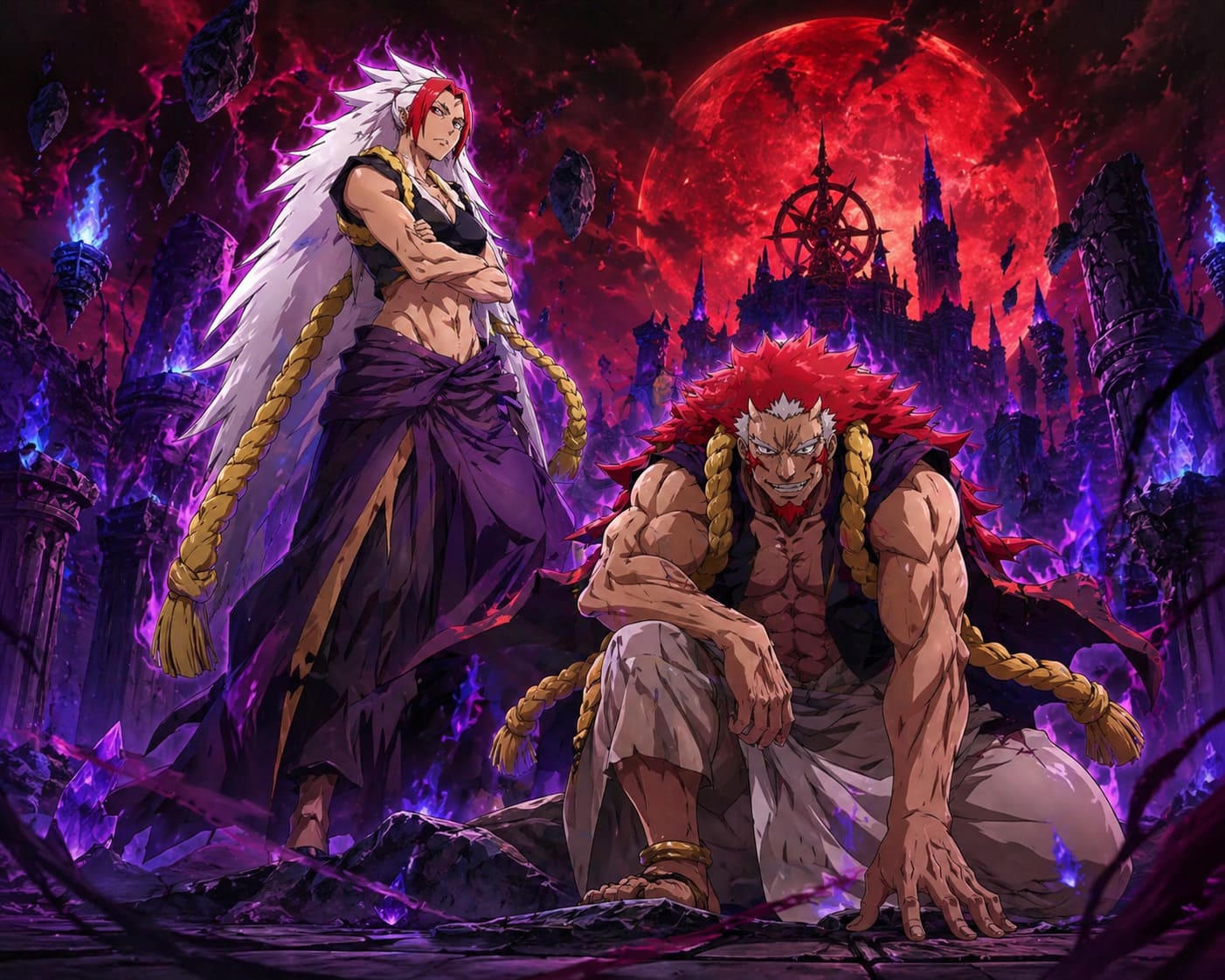
The story strongly suggests that Tsugai are part of something much larger than individual contracts. Characters like Yuru and Asa hint at deeper connections tied to balance, duality, and possibly even the structure of the world itself.
There are already several theories among fans, including the idea that Tsugai are fragments of a larger spiritual system, or that they originate directly from the underworld. Others believe they represent fundamental opposites like life and death or light and darkness.
Nothing has been fully confirmed yet, but that mystery is a big part of what keeps the story engaging.
Final Thoughts
If you’re tired of generic power systems, Tsugai are a refreshing change. They combine mythology, strategy, creative design, and strict rules into something that feels both original and well thought out.
This is exactly the kind of system that can define a series long-term, and if the adaptation continues to deliver, Tsugai could easily become one of the most iconic mechanics in modern anime.