
Where To Read Heroine? Saint? No, I’m an All-Works Maid Manga Online After Season 1
Watching the first season of Heroine? Saint? No, I’m an All-Works Maid (And Proud of It)! was one of the biggest surprises of the season for me. I expected another light-hearted isekai with an overpowered protagonist and a predictable romance. Instead, I got a series about a girl who could probably save the world in five minutes—but would rather spend the afternoon polishing silverware and fixing broken furniture.
That contrast is exactly what makes Melody so entertaining.
Now that Season 1 has wrapped up, the biggest question many anime fans are asking is simple:
Where should you continue the story, and is the manga worth reading?
After spending time comparing the anime with the original manga, checking community discussions, and revisiting several chapters, I’d say the answer is an easy yes. Here’s everything new readers should know before jumping in.
Why the Story Works So Well
Most fantasy anime build tension by making the main character chase power.
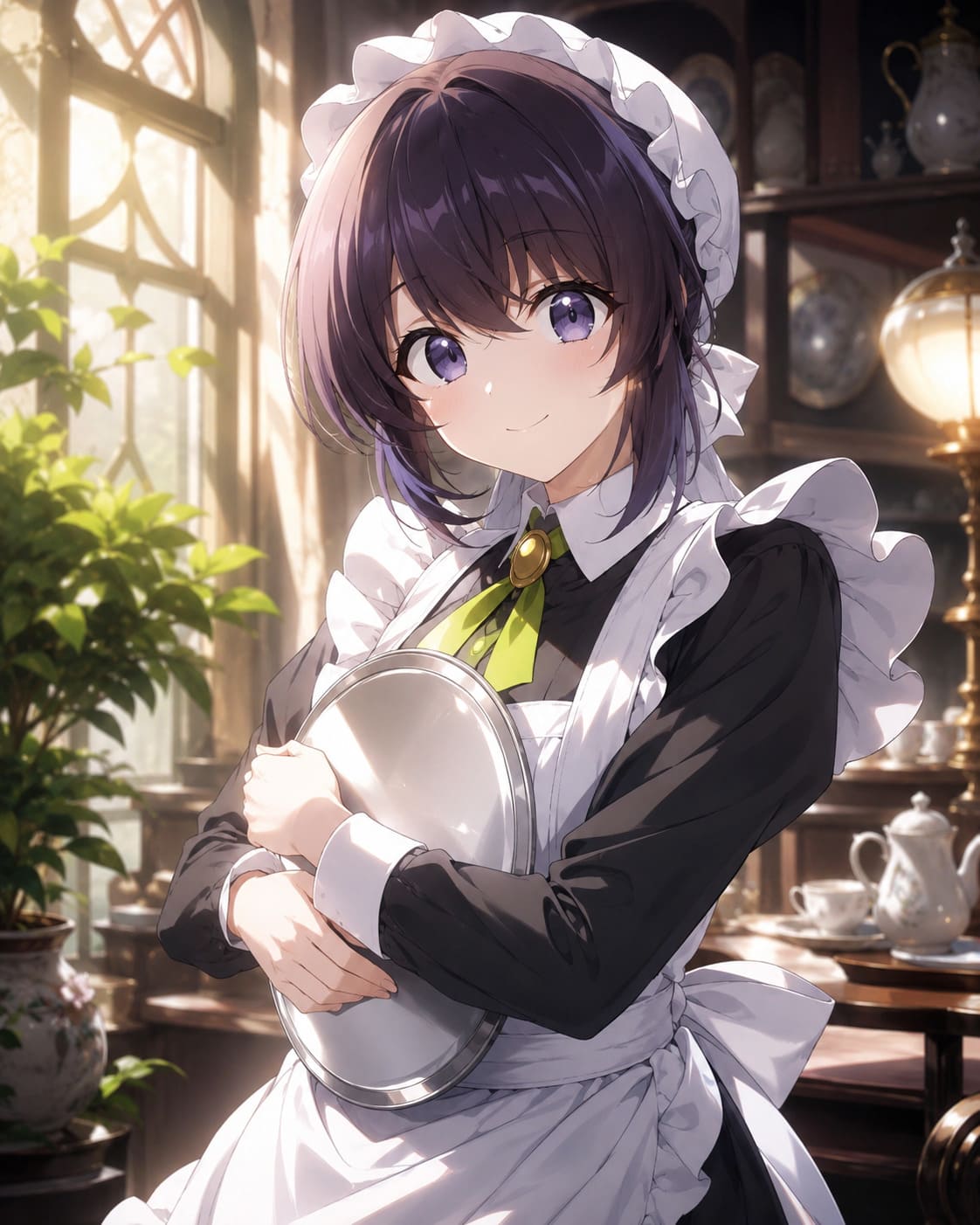
Melody does the exact opposite.
She already possesses absurd magical abilities, yet she’s completely focused on becoming the greatest maid imaginable. Every impossible spell she casts is used for something hilariously practical.
- Brewing perfect tea.
- Repairing old buildings.
- Cleaning entire estates.
- Cooking meals that impress nobles.
Meanwhile, everyone around her mistakes these everyday actions for divine miracles.
That ongoing misunderstanding never really gets old because the world keeps taking Melody more seriously than she takes herself.
Manga or Light Novel?
Before buying anything, it’s worth knowing that there are two different versions of the story.
| Version | Best For |
|---|---|
| Light Novel | Readers who enjoy detailed world-building, internal monologues, and extra lore. |
| Manga | Fans looking for expressive artwork, faster pacing, and visual comedy similar to the anime. |
Personally, I think the manga is the easiest transition after finishing Season 1.
The facial expressions, reaction panels, and visual jokes often land even better than they do in animation.
Where to Read the Manga Legally
If you’re reading in English, finding the series is fortunately very easy.
Some of the most reliable options include:
- BookWalker for digital manga and frequent publisher promotions.
- Amazon Kindle if you already keep your manga collection inside Amazon’s ecosystem.
- Google Play Books for Android users.
- Apple Books for iPhone and iPad readers.
- Libby through participating public libraries if you prefer borrowing digital volumes for free.
The English release has made catching up much easier than many niche fantasy manga, so there really isn’t much reason to rely on unofficial sources.
Should You Start From Chapter 1?
Here’s where opinions split.
If your goal is simply finding out what happens next, you can absolutely continue where the anime leaves off.
However, if you genuinely enjoyed the comedy, I’d recommend beginning from Volume 1.
The anime adapts the major story beats well, but a surprising number of smaller jokes disappear during adaptation.
Some examples include:
- Extra maid-related gags.
- Additional conversations with supporting characters.
- More detailed explanations about the kingdom.
- Tiny visual jokes hidden in background panels.
None of these completely change the story, but together they give the manga a slightly different personality.
Where Does Season 1 End?
Without getting into spoiler territory, Season 1 adapts the introductory arc and establishes Melody’s role in the kingdom while introducing the major political players surrounding her.
For readers who want fresh material immediately, Volume 4 is generally the best place to continue.
From there, the story begins expanding in several interesting ways.
You’ll see:
- Larger political conflicts.
- New misunderstandings involving royalty.
- More characters discovering Melody’s impossible abilities.
- Bigger magical threats.
- Some genuinely funny romantic confusion that Melody somehow remains completely oblivious to.
The scale gradually increases, but thankfully the series never loses its slice-of-life charm.
What Makes the Later Volumes Better?
One thing I appreciated while reading further is that the series doesn’t abandon its original identity.
Many fantasy stories eventually become nonstop battles.
This one doesn’t.
Yes, there are stronger enemies.
Yes, the stakes become much higher.
But Melody still approaches almost every problem with the mindset of a professional maid.
Sometimes she’ll solve what looks like an international crisis simply because someone tracked dirt across a freshly cleaned floor.
That commitment to the joke is honestly one of the manga’s greatest strengths.
Volume Progression at a Glance
| Volume | Main Focus |
|---|---|
| 1 | Melody’s reincarnation, maid life, introduction to the fantasy world. |
| 2 | Expands the otome game setting and introduces influential nobles. |
| 3 | Political conflicts become more noticeable while Melody remains blissfully unaware. |
| 4 | Excellent jumping-on point after the anime with larger story developments. |
| 5+ | New characters, academy setting, stronger magical threats, and broader world-building. |
Why the Manga Feels Different
Animation naturally emphasizes movement and voice acting.
The manga, however, excels in completely different ways.
Keiko’s artwork gives every reaction panel incredible energy.
Melody’s completely serious expression while everyone else panics around her never stops being funny.
Background details also reward careful readers.
You’ll often notice tiny visual jokes happening behind important conversations, reinforcing just how obsessed Melody is with housekeeping regardless of what’s happening politically.
That subtle humor sometimes disappears in the anime simply because scenes move too quickly.
What Chapter of the Manga Does Heroine? Saint? No, I’m an All-Works Maid Season 2 Start From?
Is It Worth Waiting for Season 2?
Honestly?
I’d rather keep reading.
Anime production takes time, and even popular adaptations often require a year or two before another season appears.
The manga already offers plenty of content beyond what the anime covers, and reading ahead doesn’t ruin the experience—in many ways it enhances it.
Seeing future scenes eventually adapted is part of the fun.
If another season gets announced later, you’ll probably enjoy spotting the changes between both versions.
Final Thoughts
One of my favorite things about Heroine? Saint? No, I’m an All-Works Maid! is that it fully commits to its central joke without making Melody feel one-dimensional.
She’s absurdly overpowered, yet completely uninterested in fame.
She could become history’s greatest Holy Saint, but she’d rather organize a pantry, restore a mansion, or prepare the perfect afternoon tea.
That strange balance between wholesome slice-of-life comedy and surprisingly large fantasy stakes is what keeps the series feeling fresh.
If you just finished the anime and don’t want the adventure to end, I’d strongly recommend picking up the manga. While starting from the first volume lets you enjoy every small joke the anime skipped, readers eager for brand-new material can comfortably jump into Volume 4, where the story begins opening up in exciting new directions.
For me, this has become one of those rare adaptations where both versions are worth experiencing. The anime delivers colorful performances and excellent comedic timing, while the manga rewards readers with extra details, expressive artwork, and a surprisingly rich fantasy world hiding beneath Melody’s endless dedication to maid duties.
If you enjoyed Season 1 even half as much as I did, continuing with the manga is an easy recommendation.


