Iruma-kun Season 4 Premiere: A Fan’s Honest Take on the Music Festival Arc Kickoff
If you’ve been riding the chaotic, wholesome wave of Welcome to Demon School! Iruma-kun for the past few years like I have, then Season 4’s premiere probably hit you with a mix of excitement, nostalgia, and a tiny bit of “wait… did I miss something?” energy.
And honestly—that’s kind of the magic of this show.
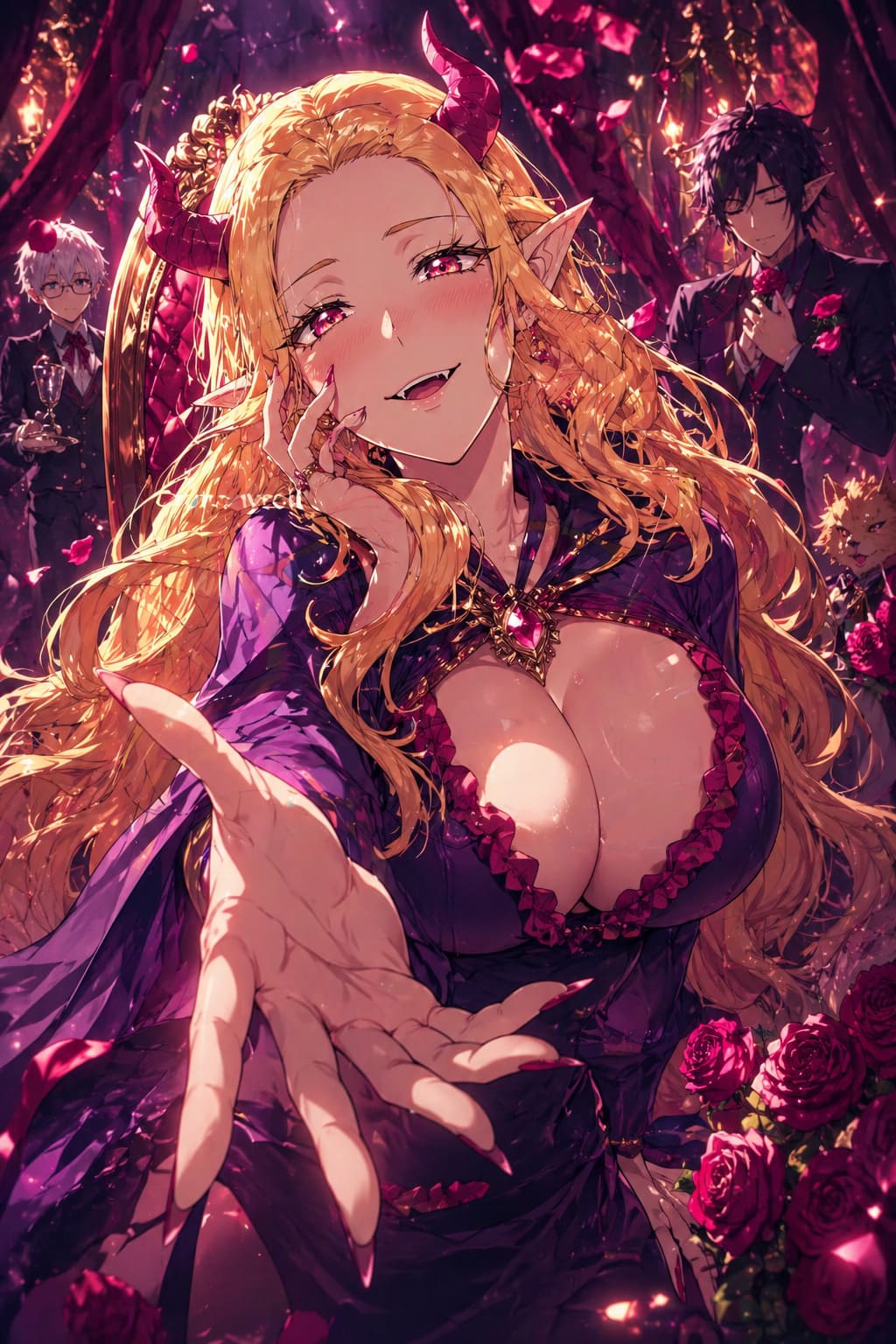
With the adaptation of Mairimashita! Iruma-kun entering the long-awaited Music Festival Arc, Episode 1 doesn’t just pick up where Season 3 left off—it shifts the spotlight in a way that longtime fans have been anticipating for ages.
Let’s break it down—not like a sterile recap, but like a real fan who actually cares about what changed, what worked, and what might divide the fandom.
Studio Jumondo in 2026: A Rising Anime Studio Finding Its Voice in Fantasy and Romance
The Big Shift: From Survival to Performance
After the intensity of the Harvest Festival, Season 4 immediately pivots into something completely different in tone—but not in stakes. The Misfit Class now faces a brutal academic requirement: reach Rank 4 (Daleth) or lose the Royal One classroom. That’s a huge deal. The Royal One isn’t just a fancy room—it’s a symbol of everything they’ve fought for. And what makes this setup interesting is how it blends academic pressure, personal growth, and a surprisingly emotional performance arc.
This isn’t just another school challenge—it’s a make-or-break identity moment for the class.
Episode 1 vs Manga: What Actually Feels Different?
Let’s get straight into the comparison, because this is where things get fun (and slightly controversial).
Purson Soi Finally Exists (…Kind Of)
If you’ve read the manga, you already know that Purson Soi has basically been playing the longest invisibility gag in modern shonen history.
In the manga, he’s been quietly appearing in panels for over 100 chapters, turning him into a kind of “Where’s Waldo?” meta joke among fans, and his eventual focus feels like a reward for obsessive readers. In the anime, however, the reveal is much more direct, with clever visual gags and even callbacks to earlier seasons showing that he was always present, just unnoticed.
The anime trades subtlety for payoff—and honestly, it works. Manga readers get slow-burn satisfaction, while anime-only viewers get an immediate, funny, and memorable introduction.
Animation: Brighter, Smoother… but Slightly Less “Demonic”?
Handled again by Bandai Namco Pictures, Season 4 looks noticeably more polished from the start. The color palette is more vibrant, magical effects are smoother, and group scenes feel more dynamic and fluid than before.
However, manga readers might notice that the anime softens some of the darker tonal contrasts. The original manga artwork has a more textured, slightly more unsettling “demon world” aesthetic that sometimes gets diluted in the anime’s brighter presentation.
The anime leans into accessibility and charm, while the manga retains a rawer visual identity. If Season 4 nails its musical sequences, though, this trade-off will feel completely justified.
Pacing: Fast, Efficient… Maybe Too Fast?
Episode 1 adapts roughly chapters 148 to 151, which is standard for this series, but the pacing feels especially brisk this time.
The anime quickly moves through the aftermath of the Harvest Festival, focusing heavily on establishing the stakes of the Music Festival Arc. Comedy is emphasized, especially in reactions from Sullivan and Opera, while the manga spends more time exploring Iruma’s internal emotional pressure.
The anime prioritizes momentum and clarity, while the manga allows more introspection and gradual tension-building.
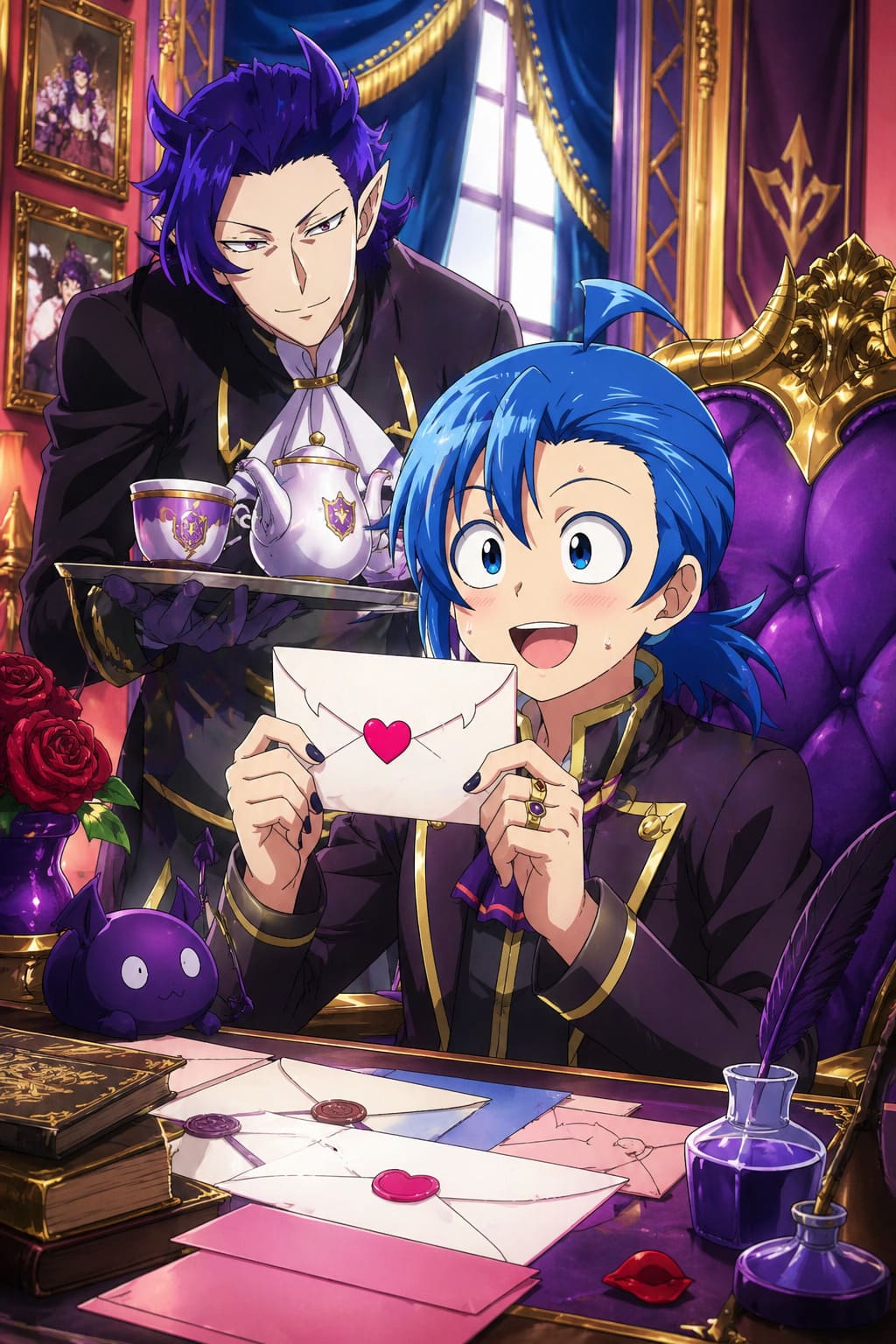
Anime vs Manga: Which One Hits Harder?
Both versions offer something unique, and the differences are actually part of the appeal rather than a conflict.
Anime strengths: high energy, strong voice acting, dynamic comedy timing, and vibrant visual presentation that enhances performance scenes.
Manga strengths: deeper world-building, more subtle emotional development, and richer visual detail in serious moments.
| Feature | Anime (Season 4) | Manga |
|---|---|---|
| Energy | Fast-paced, vibrant, expressive | More controlled and atmospheric |
| Humor | Visual gags and timing | Subtle layered jokes |
| Purson Soi Arc | Immediate payoff | Long-term hidden presence |
| Emotion | Enhanced by voice acting | Deeper internal monologue |
| World-building | Streamlined | More detailed and expansive |
Neither version is objectively better—they simply emphasize different emotional experiences.
What Makes the Music Festival Arc Special?
This arc is where Welcome to Demon School! Iruma-kun shifts from being a fun magical school comedy into something more emotionally layered. The Music Festival introduces performance-based challenges that highlight character expression, teamwork, and identity in a way previous arcs didn’t fully explore.
The centerpiece is the “Hell Dance,” a performance sequence that fans are already expecting to be a major highlight if animated well. It combines choreography, magic, and character synergy in a way that could easily define the season.
If executed properly, this arc could elevate Season 4 into one of the most memorable entries in the entire series.
What Comes Next
As the season progresses, we can expect full development of Purson Soi, deeper focus on Misfit Class teamwork, and increasingly complex performance sequences. There is also speculation that the season may tease future arcs beyond the Music Festival, possibly setting up long-term narrative threads for later seasons.
Fans familiar with the manga are especially curious about how far the adaptation will go and whether it will end on a strong transitional hook into the next major storyline.
Final Thoughts
Episode 1 of Season 4 doesn’t try to reinvent Welcome to Demon School! Iruma-kun—it refines it. It understands what fans love about the series: chaotic humor, lovable characters, and emotional sincerity hiding beneath absurd comedy.
The premiere makes smart adaptation choices, even if it sacrifices some manga subtlety for pacing and accessibility. It’s not a perfect episode, but it is a confident one, and that matters more at this stage of the story.
If you stepped away after earlier seasons, this is a surprisingly strong place to come back in.