
Witch Hat Atelier Day of the Oath Explained: Lore, Secrets, and Forbidden Magic
If you’ve spent any time reading Witch Hat Atelier, you already know this isn’t just another cozy fantasy about witches and spells. Beneath the soft art style and whimsical tone lies one of the most morally complex magic systems in modern manga. And at the center of it all is a single, world-defining moment: the Day of the Oath.
As someone who genuinely loves anime and manga with layered worldbuilding, this event stands out not just because of what happened, but because of what it took away from the world.
A World That Was Too Free
Before the Day of the Oath, magic wasn’t hidden, elite, or rare. Anyone could use it. And while that sounds incredible at first, the consequences quickly turned that freedom into something dangerous and unstable.
Imagine a world where bodies can be altered at will, emotions can be manipulated, and even life and death can be reshaped. It didn’t take long for things to spiral into chaos. Wars became devastating, accidents turned horrific, and some witches crossed the line from scholars into something far darker.
This wasn’t a magical paradise. It was uncontrolled power without limits.
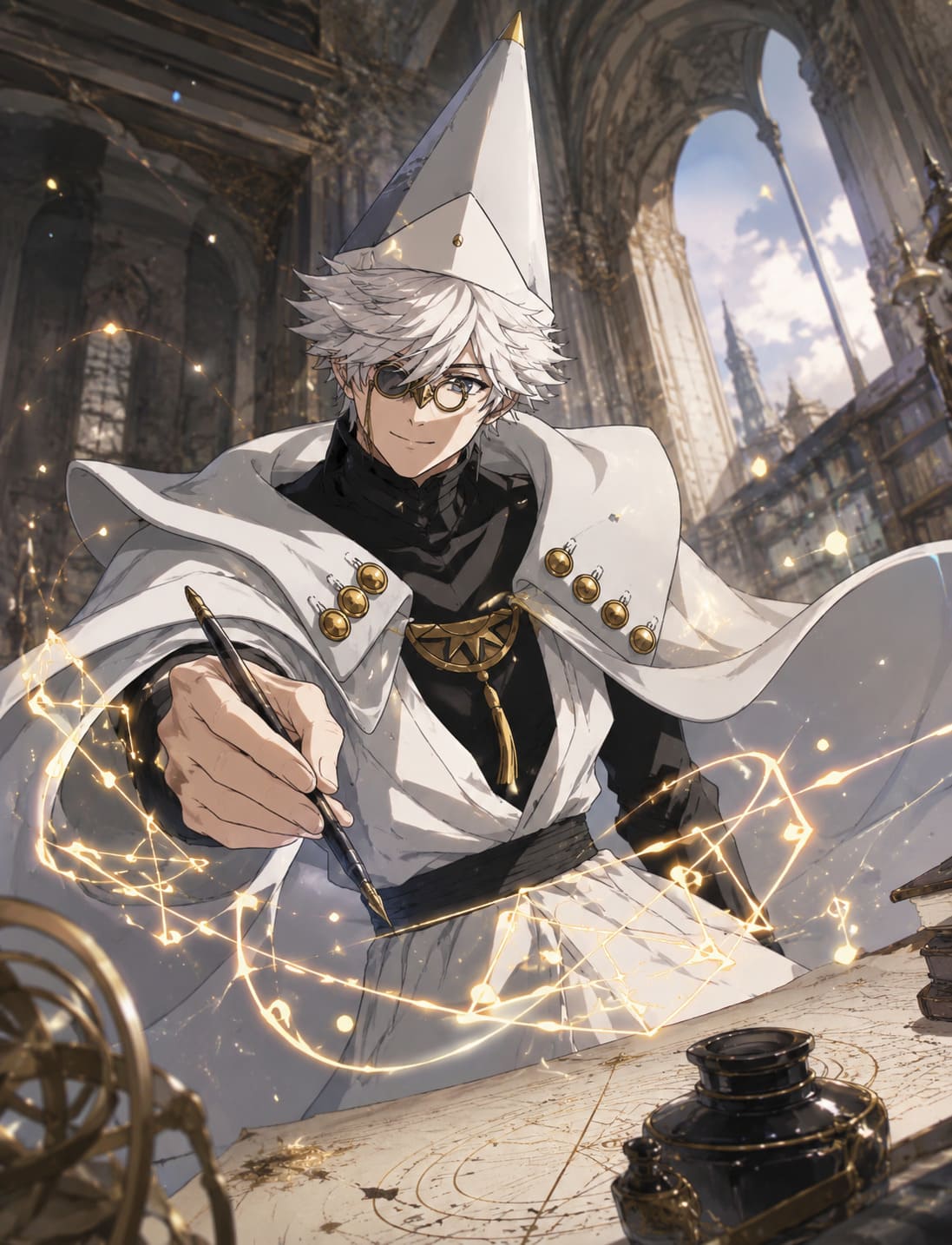
The Rise of Control: Why the Oath Happened
Eventually, a group of witches decided that magic needed strict control or humanity would destroy itself. These witches became known as the Pointed Hat Witches, and they believed that restricting knowledge was the only way to ensure survival.
What they did next reshaped the entire world. The Day of the Oath wasn’t just a political agreement—it was a complete transformation of society and how reality itself was perceived by ordinary people.
What Actually Changed? The Core Rules
1. Memory Erasure on a Global Scale
This is arguably the most unsettling part of the Oath. The general population, known as the Unknowing, had their memories altered so they would never realize that magic can be learned. Instead, they believe it is something innate, something only certain people are born with.
An entire world lives under this illusion, unaware that the truth was deliberately taken from them.
2. Forbidden Magic Categories
The Oath banned several forms of magic considered too dangerous to exist. These included body transformation, mind and emotion control, manipulation of life and death, and unrestricted teleportation.
One of the most tragic consequences of this decision is the restriction of advanced healing magic. Because healing often involves altering the body, it was largely forbidden, meaning humanity lost access to potentially life-saving techniques.
- Body transformation and alteration
- Mind and emotional manipulation
- Life-cycle magic (aging, resurrection)
- Unrestricted teleportation
3. Enforcement Through Fear
To maintain this system, a powerful enforcement group was established: the Knights Moralis. Their role is to hunt down those who break the laws and erase the memories of anyone who learns too much.
This creates a constant sense of tension, especially for characters who exist outside the system or challenge its rules.
The Knights Moralis in Witch Hat Atelier: Purpose, History, and the Dark Side of Magical Law
The Split That Defines the Entire Story
Not all witches agreed with the Day of the Oath, and this disagreement led to a major division that defines the story’s central conflict.
| Faction | Belief | Goal |
|---|---|---|
| Pointed Hats | Magic must be controlled | Maintain order and secrecy |
| Brimmed Hats | Magic should be free | Restore lost knowledge |
The Brimmed Hats are often portrayed as antagonists, but their ideology raises important questions. If magic once belonged to everyone, is it right to hide it forever?
Why This Hits So Hard
One of the strongest aspects of this story is its refusal to present a simple answer. The Day of the Oath is not clearly right or wrong, and that ambiguity is what makes it so compelling.
On one side, the world was undeniably dangerous, and something had to change. On the other side, people lost their freedom, knowledge was erased, and entire possibilities—especially in healing—were sacrificed.
The story constantly pushes a central question: is safety worth the cost of truth?
The Tragic Beauty of the System
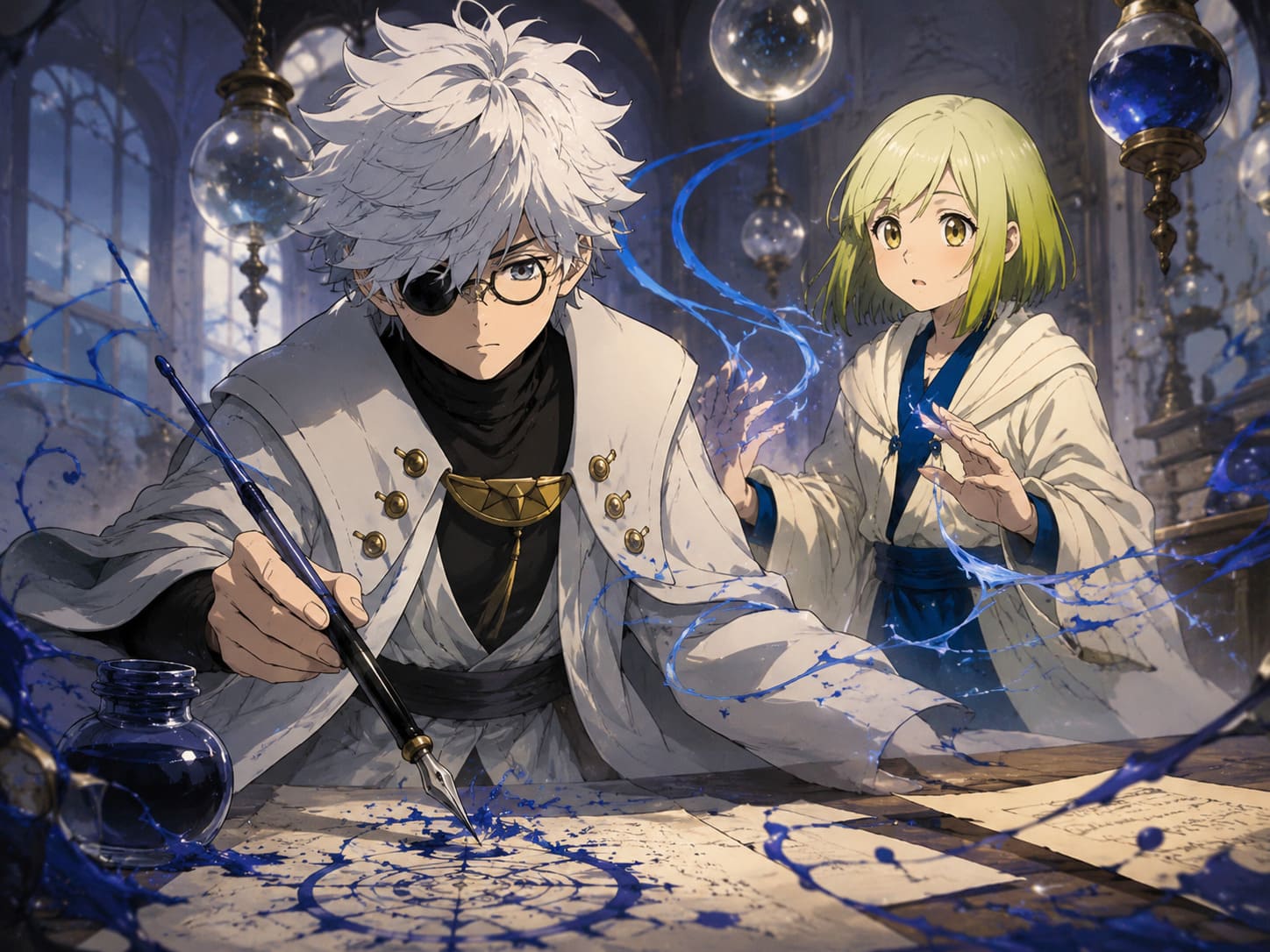
The world after the Oath is safer and more stable, but it also feels limited. Magic, once boundless, is now confined by rules and fear. Even those who follow the laws must constantly be aware of what they are not allowed to do.
This creates a bittersweet atmosphere where peace exists, but at the cost of potential and discovery.
Why the Day of the Oath Still Matters
This event is not just background lore. It is the foundation of the entire narrative. Every major conflict, character motivation, and mystery ties back to it.
- It explains why magic is hidden
- It defines what is considered forbidden
- It drives the conflict between factions
Most importantly, it sets up the biggest question the story continues to build toward: what happens if the truth is revealed again?
Final Thoughts
The Day of the Oath stands as one of the most thought-provoking elements in modern fantasy manga. It explores themes of control, morality, and the cost of stability in a way that feels both grounded and emotionally impactful.
It is easy to understand why it happened, but just as easy to question whether it was truly the right choice. And that tension is exactly what keeps readers invested in every new chapter.


