Why “Lilith’s Red Carpet” Is My Favorite Iruma-kun Performance
If there’s one moment in Welcome to Demon School! Iruma-kun Season 4 that completely surprised me, it was the Misfit Class performance during the Music Festival arc.
I expected something fun and chaotic, because that’s usually the energy of Babyls Academy, but what I got instead was one of the most emotional and satisfying performances in modern shonen anime. And at the center of it all was the unforgettable song “Lilith’s Red Carpet.”
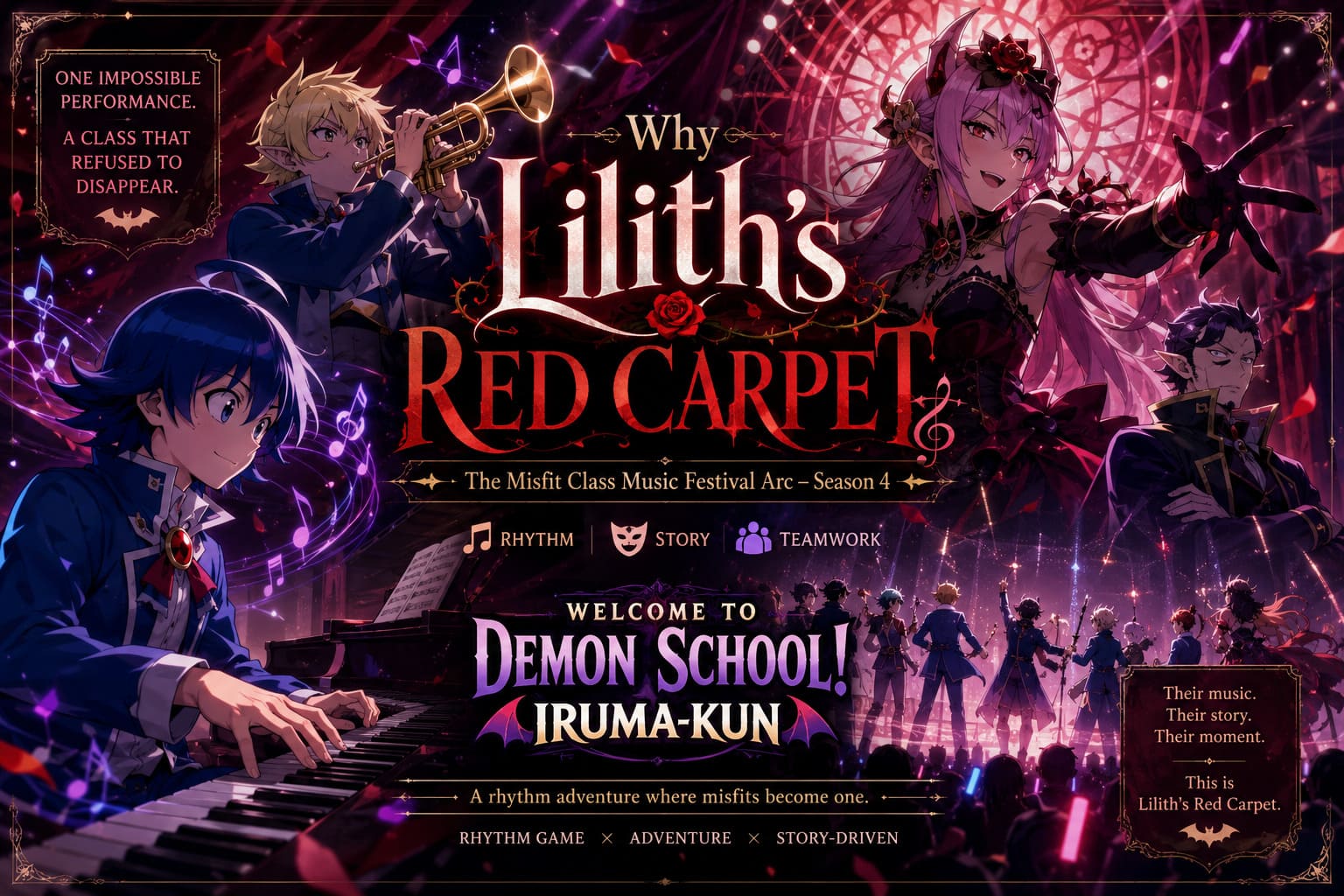
A lot of anime fans started searching for the Iruma-kun Misfit Class Music Festival song name after the episode aired, and honestly, I understand why. The performance didn’t just look impressive — it actually felt meaningful.
It carried the growth of the entire class, especially Iruma and Purson Soi, in a way that hit much harder than I expected from a school festival arc.
Amduscias Poro Is the Best New Character in Iruma-kun Season 4
What makes “Lilith’s Red Carpet” special is that it doesn’t feel like a random insert song thrown into an anime episode. It feels like the emotional reward for everything the Misfit Class has gone through since the beginning of the series.
The Music Festival Arc Is Peak Iruma-kun
I know a lot of fans still consider the Harvest Festival the best arc in the series, and I get it. That arc had insane tension, character development, and some of the coolest moments in the anime. But personally? The Music Festival arc might be my favorite.
Because it shows the Misfit Class at their most united.
In earlier arcs, everyone mostly fought for themselves. They trained individually, competed individually, and tried to prove themselves alone. But during the Music Festival, success depended entirely on teamwork. One mistake could ruin the entire performance.
That pressure made “Lilith’s Red Carpet” feel important before the music even started.
The idea that a group of demons — creatures known for selfishness and chaotic personalities — could perfectly synchronize a difficult Hell Dance was already considered nearly impossible in the world of Babyls. That’s why the performance had so much narrative weight.
Why “Lilith’s Red Carpet” Hits So Hard
The song itself has this elegant but emotional atmosphere that perfectly matches the story being told on stage. Even without understanding every detail, you can immediately feel that the performance is about longing, uncertainty, and finally finding connection.
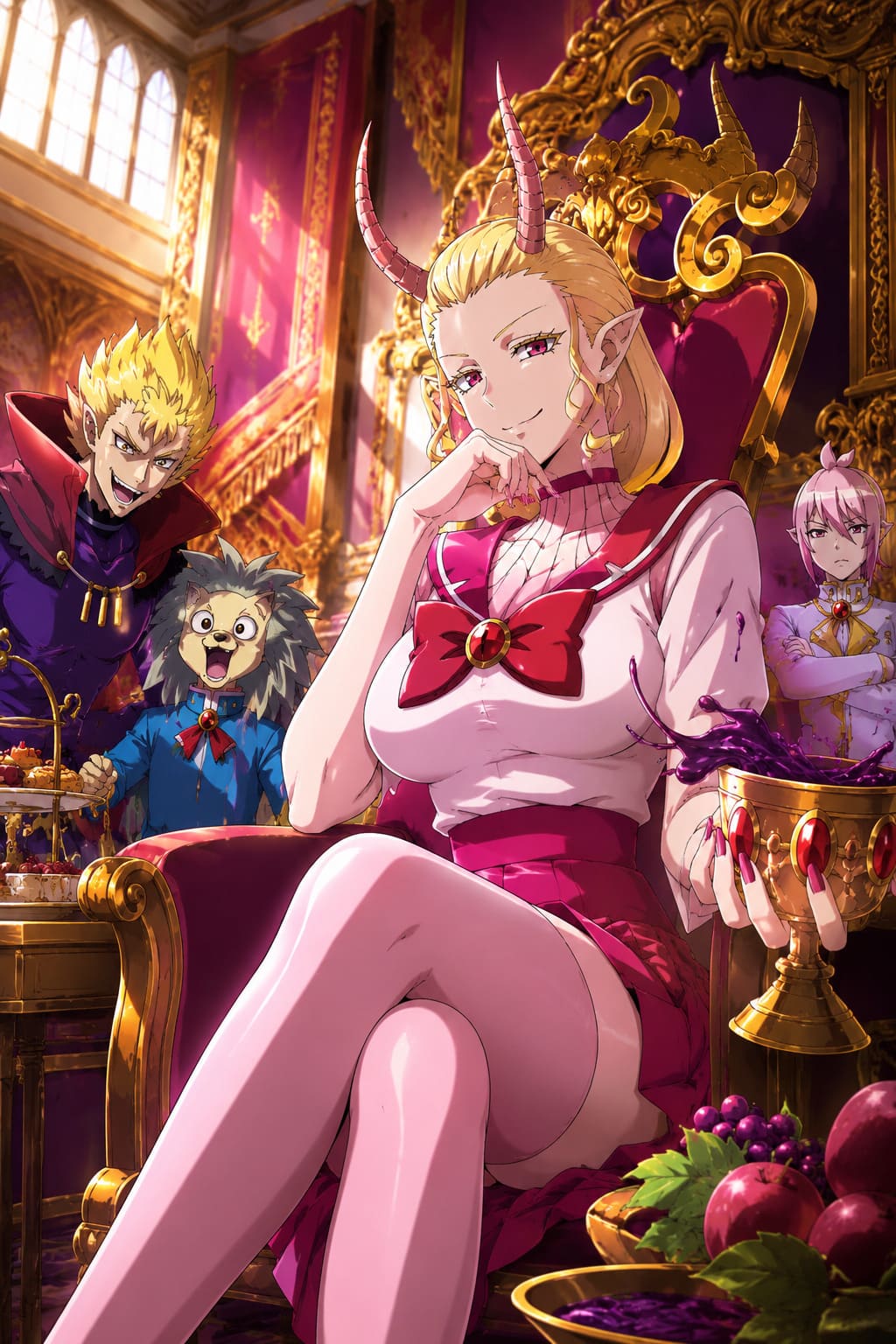
The stage presentation centered around Lilith, a legendary demoness searching for someone truly worthy of standing beside her. That concept alone already gave the performance a dramatic and theatrical vibe, but the real magic came from how each member of the Misfit Class contributed emotionally to the song.
Here’s the thing I loved most: every instrument actually mattered.
This wasn’t one of those anime performances where background characters pretend to play music while only the main character matters. In “Lilith’s Red Carpet,” everyone had a role that reflected their personality and growth.
Iruma-kun Season 4: Has the Anime Finally Hit Its Peak?
Key Characters in the Performance
| Character | Role | Why It Mattered |
|---|---|---|
| Suzuki Iruma | Piano | Became the emotional backbone of the song |
| Purson Soi | Trumpet | Symbolized finally wanting to be seen |
| Ix Elizabetta | Lilith | Represented the elegance and emotional center of the performance |
| Naberius Kalego | Instructor | Pushed Iruma far beyond his comfort zone |
Purson Soi Completely Stole the Arc
I genuinely think Purson Soi became one of the best-written characters in the series because of this arc.
Before the Music Festival, he was practically invisible — literally and emotionally. His family’s bloodline magic revolves around remaining unnoticed, and because of that, he spent most of his life suppressing himself. The guy was trained to disappear.
That’s what made his trumpet performance so powerful.
The moment his solo finally enters “Lilith’s Red Carpet” feels like an explosion of emotion that had been building for years. It’s not just music anymore. It’s Purson finally admitting that he wants people to hear him.
And honestly? That hit me harder than some emotional scenes in much darker anime.
The contrast between Iruma’s piano and Purson’s trumpet was also brilliant. Iruma’s playing carried this steady feeling of hope and support, while Purson’s trumpet sounded like freedom breaking through fear.
That musical dialogue between the two characters is probably why fans keep rewatching the performance online.
Iruma’s Growth Feels Different Here
One thing I’ve always liked about Welcome to Demon School! Iruma-kun is that Iruma doesn’t become overpowered in a generic way.
His strength usually comes from empathy, adaptability, and hard work rather than suddenly unlocking broken abilities.
During the Music Festival arc, that growth becomes incredibly obvious. Watching him struggle through intense piano training under Kalego was honestly painful at times. Kalego pushed him mercilessly because he understood how important the performance was.
But that’s exactly why the final result feels earned.
When Iruma finally performs confidently during “Lilith’s Red Carpet,” it feels satisfying because we watched every exhausting step that got him there.
The Animation Elevated Everything
The manga version of the Music Festival arc was already fantastic, but the anime adaptation brought it to another level entirely.
The lighting, choreography, camera movement, and sound design made the entire performance feel massive. You could tell the studio understood how important this moment was to fans.
What Made the Performance Stand Out
- The synchronization of the Hell Dance looked genuinely difficult
- The trumpet scenes with Purson had incredible emotional framing
- Elizabetta’s stage presence perfectly matched the “Lilith” role
- The music buildup before the climax created real tension
I also loved how expressive the audience reactions were. Instead of cutting away quickly, the anime let viewers sit with the shock and emotion of the crowd realizing that the Misfit Class had achieved something impossible.
Why Fans Are Obsessed With the Song
After the episode aired, search trends around the performance exploded. Fans started looking up:
- “Iruma-kun Music Festival song name”
- “Lilith’s Red Carpet lyrics”
- “Purson Soi trumpet song”
- “Misfit Class Hell Dance OST”
- “Iruma-kun Season 4 soundtrack”
And honestly, that reaction makes sense. Anime fans love performances that feel emotionally authentic, and “Lilith’s Red Carpet” absolutely delivered that.
It reminded me of why music arcs work so well in anime when they’re handled properly. The performance wasn’t there just to look cool — it completed character arcs.
What Makes the Misfit Class So Special
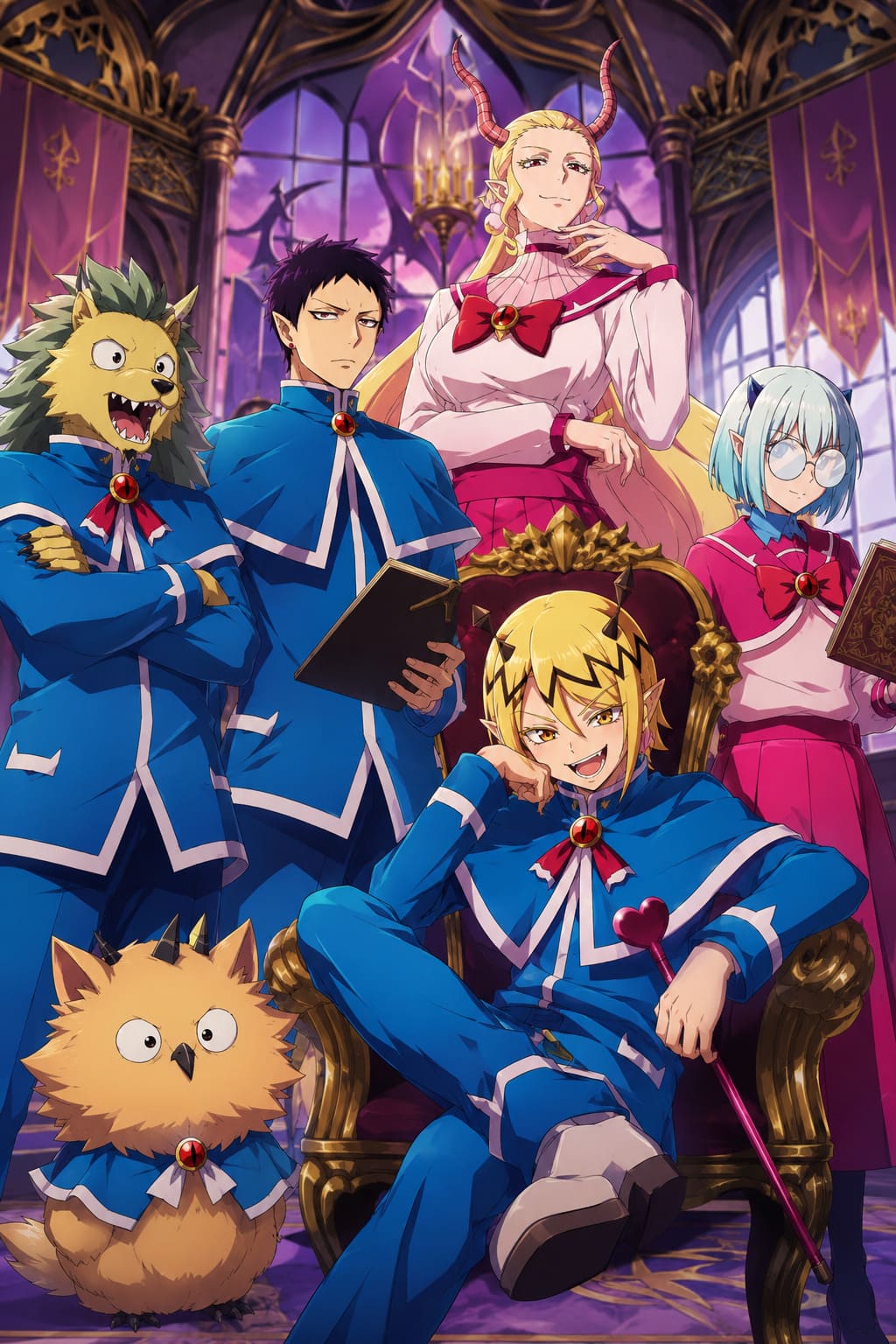
The reason this performance works so well is because the Misfit Class has always felt like a dysfunctional family rather than a normal group of classmates.
They argue constantly. They compete with each other. Half the time they create chaos for no reason.
But when things truly matter, they come together in a way that feels incredibly satisfying to watch.
“Lilith’s Red Carpet” captures that perfectly.
Instead of one hero carrying the entire moment, every member contributes something important. That balance is rare in shonen anime, where side characters often get ignored after a while.
In Iruma-kun, the class actually grows together.
Final Thoughts
“Lilith’s Red Carpet” is easily one of the best anime performance pieces I’ve seen in recent years. Not because it had flashy visuals alone, but because it carried real emotional payoff behind every note.
The Music Festival arc proved that Welcome to Demon School! Iruma-kun is far more than just a comedy about demons going to school. Underneath all the humor and absurdity, it’s a story about acceptance, self-worth, and finding people who truly see you.
And no character represents that theme better than Purson Soi finally stepping into the spotlight during “Lilith’s Red Carpet.”
That moment didn’t just make the song memorable.
It made the entire arc unforgettable.