Which Light Novel Volumes Does Re:ZERO Season 4 Adapt?
There are anime arcs that fans enjoy, and then there are arcs that completely consume the community for years. In the case of Re:ZERO -Starting Life in Another World-, Arc 6 has always belonged to the second category.
Ever since readers experienced the nightmare labyrinth of the Pleiades Watchtower in the light novels, the fandom has treated this storyline almost like a sacred event. Discussions exploded across Reddit, YouTube analyses reached absurd lengths, and people constantly argued over one thing: Could White Fox actually adapt Arc 6 properly?
Now that Season 4 is finally here in 2026, we finally have the answer.
And honestly, after following Subaru’s journey for years, this feels like the point where Re:ZERO transforms from an excellent dark fantasy into something much more psychological and emotionally devastating.
Which Light Novel Volumes Does Re:ZERO Season 4 Cover?
The short version is simple:
Season 4 adapts Arc 6 of the light novel series, primarily covering Volumes 21 through 25.
There is also a small amount of leftover content from Volume 20 included at the beginning of the season to bridge the aftermath of Priestella from Season 3.
Here’s the clean breakdown:
| Anime Portion | Light Novel Coverage |
|---|---|
| Opening Transition | End of Volume 20 |
| Loss Arc (Cour 1) | Volumes 21–23 |
| Recapture Arc (Cour 2) | Volumes 23–25 |
| Next Arc After Anime | Volume 26 |
For longtime readers, this is the adaptation many thought would either elevate the franchise permanently or completely collapse under its own complexity.
Thankfully, White Fox seems to understand exactly how important this arc is.
Why Arc 6 Feels So Different From Earlier Re:ZERO Seasons
Up until now, Subaru’s suffering was usually tied to physical danger, political conflict, or brutal timelines. Arc 6 changes the formula entirely.
The Pleiades Watchtower arc is psychological warfare.
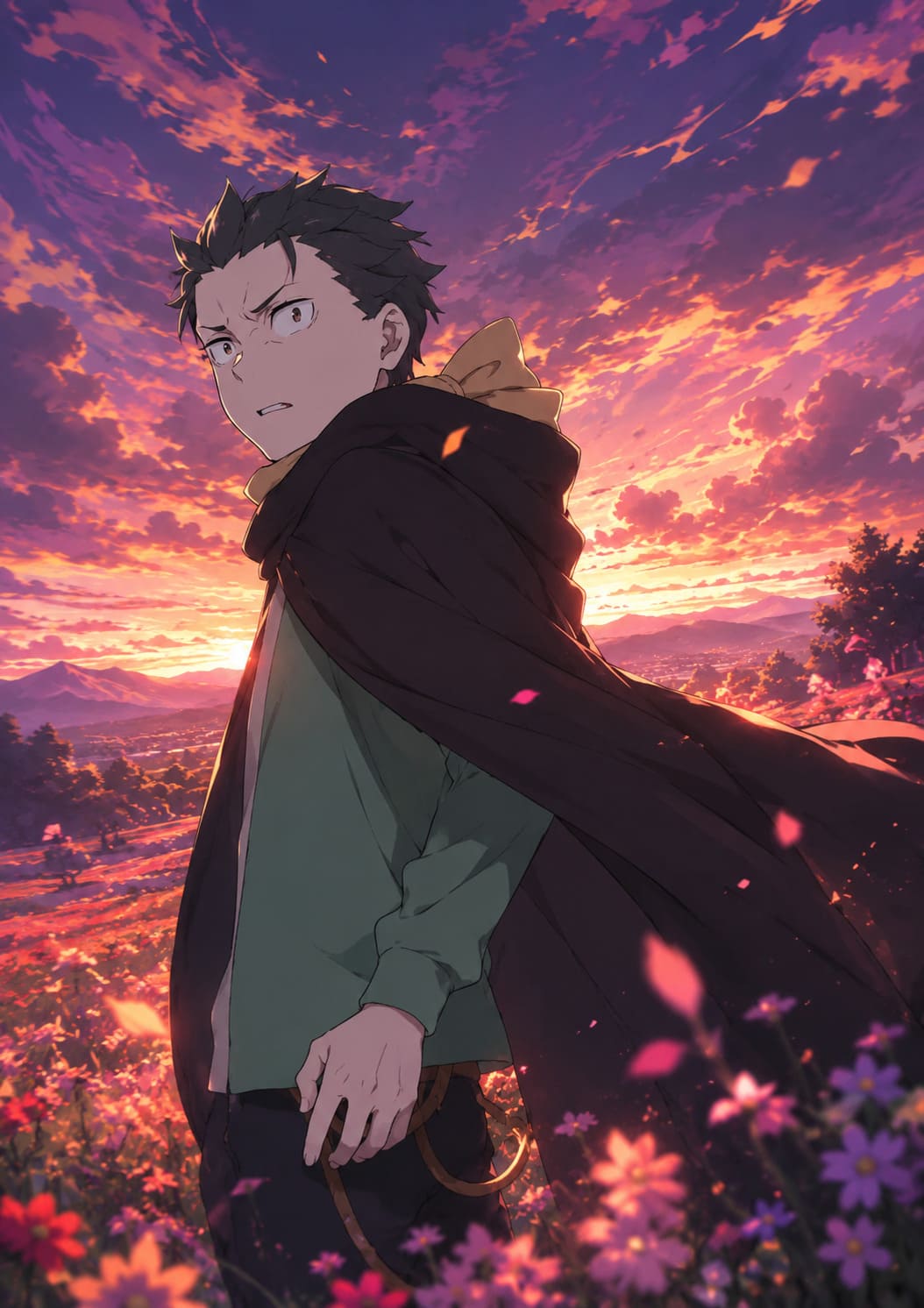
The setting alone feels hostile in a completely different way. The Augria Sand Dunes are not just another fantasy desert — they feel isolated, ancient, almost cursed. Once Subaru and the group enter the tower, the atmosphere becomes claustrophobic and deeply unsettling.
What makes these novels special is how aggressively they attack Subaru’s identity.
Not just his body.
Not just his emotions.
His sense of self.
That’s why so many light novel readers consider Volumes 21–25 the peak of the series. Tappei Nagatsuki pushes Subaru further mentally than almost any previous arc, and the story constantly blurs the line between memory, personality, fear, and reality.
As someone who has followed Re:ZERO since the early anime days, Arc 6 genuinely feels like the moment where the series stops trying to be a “popular isekai” and becomes full psychological fantasy horror.
Season 4 Split-Cour Structure Explained
White Fox divided the season into two separate parts, which honestly was the smartest possible decision.
Trying to rush Arc 6 into a shorter format would have been disastrous.
Loss Arc
The first cour focuses heavily on mystery, exploration, paranoia, and Subaru’s gradual psychological collapse.
Main coverage includes:
- The journey through the Augria Sand Dunes
- Arrival at the Pleiades Watchtower
- Shaula’s introduction
- The early tower mysteries
- The beginning of Subaru’s mental breakdown
These episodes are slower, heavier, and much more atmosphere-driven than earlier seasons. Some casual viewers may even find the pacing uncomfortable — but that discomfort is intentional.
Arc 6 wants you to feel trapped alongside the cast.
Recapture Arc
The second cour shifts gears dramatically.
Without entering spoiler territory, this section becomes far more chaotic and survival-focused. Identity crises, tactical desperation, and tower-wide conflicts completely spiral out of control.
This is where Re:ZERO starts feeling almost like psychological sci-fi mixed with dark fantasy.
And if White Fox nails the final episodes from Volume 25, there is a very real chance Season 4 becomes the highest-rated entry in the franchise.
Re:Zero Arc 6 Light Novel vs Anime Differences: Pleiades Watchtower Adaptation Breakdown
Where Anime Fans Should Start Reading
Depending on how impatient you are, there are several good entry points into the novels.
Start From Volume 21
This is the best option for most fans.
Even though the anime adapts the major events faithfully, the novels contain:
- More internal monologues
- Extra lore details
- Deeper psychological narration
- Better insight into Subaru’s mental state
And honestly, Arc 6 gains a lot from Subaru’s internal thoughts.
Some scenes hit twice as hard in prose because you experience his panic directly instead of only watching it happen externally.
Want To Continue After Season 4?
Then start with:
Volume 26
This begins Arc 7 and introduces one of the biggest tonal shifts in the entire series.
The Volachian Empire storyline becomes significantly more violent, political, and war-driven compared to the confined horror atmosphere of Arc 6.
Light Novel vs Web Novel Differences
This confuses many newer fans.
The Web Novel is basically Tappei Nagatsuki’s original draft version published online, while the Light Novel is the edited and commercially published version.
Season 4 follows the Light Novel continuity, not the raw Web Novel structure.
The biggest differences include:
- Streamlined pacing
- Cleaner progression
- Reduced repetition
- Refined dialogue
- More polished tower sequences
The core story remains mostly the same, but the Light Novel version feels tighter overall.
Personally, I still think some Web Novel psychological sections hit harder emotionally because of how unfiltered they are, but the Light Novel is unquestionably better structured for anime adaptation.
Why White Fox Had a Massive Challenge Here
Adapting Arc 6 is difficult for one major reason:
Most of its brilliance exists inside Subaru’s head.
Internal narration dominates huge portions of these volumes. Fear, confusion, fragmented memories, identity anxiety — much of the arc relies on thoughts rather than action.
That creates a dangerous problem for anime.
Too much exposition becomes boring. Too little explanation destroys the emotional impact.
So far, White Fox has handled this surprisingly well by:
- Cutting unnecessary openings and endings
- Extending tense sequences
- Letting silence carry scenes
- Using visual symbolism instead of exposition dumps
It feels like the studio finally understands that Re:ZERO works best when it embraces psychological tension rather than trying to behave like a traditional action anime.
Final Thoughts
For years, manga and light novel fans treated Arc 6 like the impossible adaptation.
Now that it’s finally animated, it genuinely feels like the culmination of everything Re:ZERO has been building toward since Episode 1.
If you only know the anime version of Subaru, prepare yourself.
Season 4 is not just another adventure arc.
It is a brutal examination of memory, identity, fear, and self-worth wrapped inside one of the most oppressive fantasy settings modern anime has produced.
And honestly, that’s exactly why so many fans consider Volumes 21–25 the absolute peak of Re:ZERO.