The Ramparts of Ice Season 2: Koyuki and Minato’s Emotional Relationship Development Explained
There are plenty of romance anime where two characters spend an entire season staring at each other, misunderstanding obvious feelings, and somehow needing twelve episodes to say what the audience figured out in episode two. The Ramparts of Ice, or Koori no Jouheki, feels different.
What grabbed me about Koyuki Hikawa and Minato Amamiya was never simply the question of whether they would become a couple. It was the much more interesting question of whether either of them was actually capable of allowing another person close enough to make that relationship possible.
That distinction becomes incredibly important in Season 2.
The first season was largely about Koyuki learning that being around other people did not automatically mean getting hurt. Season 2 flips the emotional equation. Suddenly, Koyuki isn’t the only character with something to overcome. Minato has his own walls, and honestly, I think that is where the story becomes considerably more interesting.
Koyuki Was Never Just “The Shy Girl”
One of the easiest mistakes to make when talking about Koyuki is reducing her to the typical withdrawn anime heroine. She is quiet, socially uncomfortable, constantly second-guesses herself, and often looks like she would rather disappear than participate in a conversation.
But that’s not really what makes her compelling.
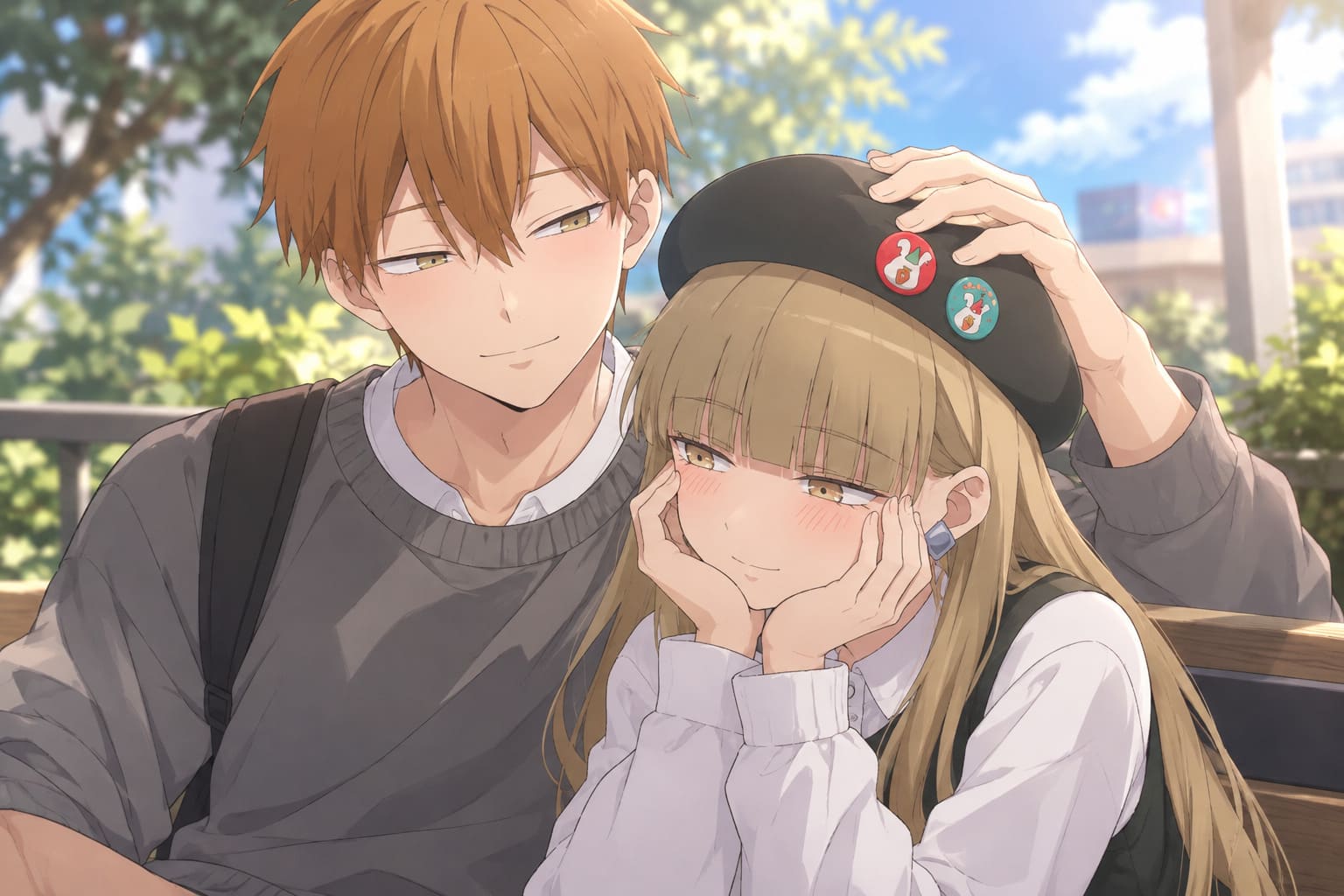
Koyuki has spent years learning that isolation is safer than being misunderstood. Her emotional walls aren’t there because she dislikes everyone. They’re there because she doesn’t trust the world to treat her vulnerability gently.
That’s why her progress in the first season matters so much. She doesn’t suddenly become an outgoing social butterfly. Instead, she takes tiny steps. She talks to people. She accepts invitations. She develops genuine friendships. Most importantly, she starts discovering that being seen doesn’t always have to end in humiliation.
And Minato is probably the biggest reason she manages to take those steps.
He is irritating. He’s intrusive. He has almost no concept of personal space when he gets interested in someone. And yet, underneath all of that, Minato genuinely notices Koyuki.
He doesn’t treat her like a problem that needs fixing. He simply refuses to believe that the cold exterior is the entire person.
Then Season 2 Turns the Spotlight on Minato
This is probably my favorite part of their relationship.
For most of Season 1, Minato looks like the emotionally secure one. He’s confident, social, funny, and comfortable around people. Compared with Koyuki, he seems practically impossible to hurt.
Season 2 reveals that this isn’t entirely true.
Minato’s biggest problem isn’t that he doesn’t understand his feelings for Koyuki. It’s that he understands them too well.
He realizes that their friendship has become incredibly important to him. Koyuki isn’t just another person in his social circle anymore. She’s someone whose trust he doesn’t want to lose.
And that’s exactly where his fear comes from.
If Minato confesses and Koyuki doesn’t feel the same way, what happens afterward? Can they really return to normal? Can Koyuki continue trusting him? What if dating destroys the friendship they spent so long building?
Those questions make his hesitation much more believable than the usual “I’m too embarrassed to confess” storyline.
Minato isn’t simply afraid of rejection.
He’s afraid of losing the one relationship he desperately wants to protect.
The Momoka Arc Is Painful — But Necessary
I’ll be honest: the Momoka dating storyline is probably one of the most frustrating parts of this whole relationship.
And I mean that as a compliment.
Watching Minato try to move forward with someone else when his feelings are obviously tangled up with Koyuki is uncomfortable. There is a sense that he is trying to convince himself that he can simply choose a different path and make the original problem disappear.
Of course, it doesn’t work.
Momoka’s presence is important because she forces Minato to confront something he has been avoiding. You cannot manufacture emotional intimacy just because the alternative scares you.
But the bigger impact is on Koyuki.
For perhaps the first time, Koyuki experiences a feeling she can’t simply hide behind silence: jealousy.
And watching that happen is fascinating because Koyuki doesn’t immediately know what to do with the emotion. She has spent so much of her life suppressing herself that even recognizing romantic jealousy becomes a major character-development moment.
Suddenly, Minato isn’t simply “the person who always comes back.”
He has his own life. He can choose someone else. He can move forward without waiting for Koyuki forever.
That realization hurts, but it is exactly what Koyuki needs.
Koyuki, Minato, and Yota: Comfort vs. Growth
The Yota question is where discussions around The Ramparts of Ice get particularly interesting.
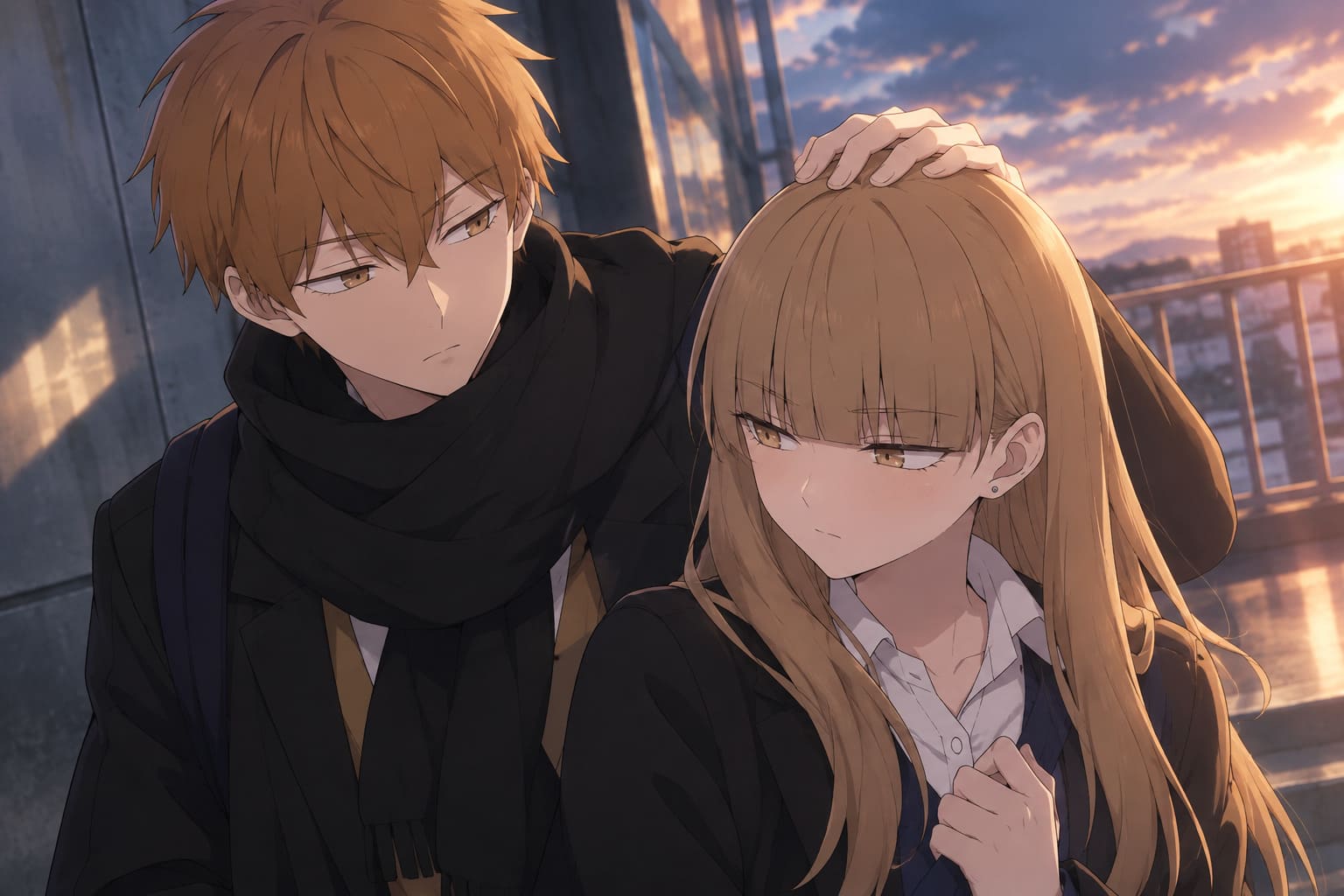
Yota is practically everything you would want from a supportive friend. He’s calm, patient, dependable, and doesn’t constantly push Koyuki beyond what she is comfortable with.
So I completely understand why some viewers looked at him and thought, “Wouldn’t this actually be better for Koyuki?”
But I don’t think the story is really asking us to choose between a “good” guy and a “bad” guy.
It’s showing us two completely different kinds of relationships.
| Character | What They Offer Koyuki | Relationship Dynamic |
|---|---|---|
| Yota | Safety, patience, stability | Comfort and emotional security |
| Minato | Challenge, honesty, emotional pressure | Growth and vulnerability |
Yota gives Koyuki a place where she can breathe.
Minato gives her reasons to step outside.
Neither dynamic is inherently worthless, but Koyuki’s journey has always been about learning how to stop hiding. That’s why her connection with Minato carries a different kind of emotional weight.
The Best Part: Minato’s “Lock” Finally Breaks
The emotional payoff works because neither character magically becomes a different person.
Koyuki doesn’t suddenly become fearless. Minato doesn’t suddenly become perfectly confident. Their problems don’t disappear because they finally understand each other’s feelings.
Instead, they finally stop pretending those problems aren’t there.
Minato’s emotional “lock” is basically his attempt to control the situation. If he never admits how strongly he feels about Koyuki, then he can theoretically preserve their friendship forever.
Except emotions don’t work that way.
The harder he tries to suppress what he feels, the more complicated everything becomes.
Eventually, he has to accept the uncomfortable truth: protecting their friendship by hiding his feelings is actually hurting the friendship he wants to protect.
That realization gives his confession considerably more weight than a typical romantic declaration.
It’s not about making a dramatic speech or producing some perfectly choreographed anime moment. It’s about finally saying the thing both characters have been circling around for ages.
Why Their Confession Hits Harder Than Most Romance Anime Confessions
For me, the biggest strength of Koyuki and Minato’s relationship is that their eventual confession doesn’t erase everything that came before it.
That’s important.
A weaker romance story would treat the confession as the finish line. Characters spend an entire season struggling, finally say “I love you,” and suddenly everything is perfect.
The Ramparts of Ice works better because the confession feels more like the beginning of another stage.
Their emotional baggage is still there. Koyuki still has insecurities. Minato still has his own fears. Communication isn’t suddenly effortless.
But now they’re facing those problems together.
And that’s what makes the romance feel surprisingly mature.
What Season 2 Really Says About Koyuki and Minato
When I look at their relationship as a whole, I don’t think the central message is simply “opposites attract.” That’s far too easy.
The more interesting idea is that real intimacy requires both people to take emotional risks.
Koyuki’s risk is allowing someone into the world she’s spent years protecting.
Minato’s risk is admitting that he cares enough to potentially get hurt.
They approach those fears from completely different directions, but ultimately end up in the same place.
That is why the title feels so appropriate. The “ramparts” aren’t just Koyuki’s walls. By Season 2, we understand that Minato has built his own fortress as well.
His just happens to be hidden behind a smile.
The Ramparts of Ice Season 2 Release Date, Episode Count, and Streaming Schedule Revealed
My Take on Koyuki and Minato’s Romance
If I had to pick one thing that makes this relationship stand out, it’s the patience behind it.
I’m usually skeptical when romance anime stretch a relationship for too long, but here the slow burn actually has a purpose. Every awkward conversation, every misunderstanding, every moment where one of them pulls back contributes to the larger picture.
Koyuki and Minato don’t fall in love because the plot says they’re supposed to.
They gradually become important to each other because they repeatedly choose to stay.
And that’s a much more convincing foundation for a romance.
The Momoka storyline hurts. The misunderstandings can be frustrating. The hesitation sometimes makes you want to yell at both characters through the screen.
But when the emotional pieces finally click into place, those earlier frustrations make the payoff feel earned.
Koyuki doesn’t need Minato to “save” her, and Minato doesn’t need Koyuki to complete him. What they really need is someone willing to see the parts of them that are difficult to show.
That’s ultimately why their relationship works for me.
Final Thoughts
The Ramparts of Ice isn’t really a story about two teenagers discovering that they like each other. It’s about two people learning that being close to someone means giving up a certain amount of emotional control.
Koyuki has to accept that opening the door means she might get hurt.
Minato has to accept that protecting himself from rejection can hurt just as much as rejection itself.
When those two lessons finally collide, their romance becomes much more than a standard high-school love story.
That’s why I’m genuinely interested in seeing where their relationship goes next. The confession may break the ice, but it doesn’t mean the journey is over. If anything, that’s when the more interesting part begins: learning how to actually be together after spending so long learning how to let each other in.
And honestly, after watching these two spend so much time building emotional walls, I’m perfectly happy to watch them figure out what comes after the walls finally come down.