Sentenced to Be a Hero: Magic System and World Building Explained
If you’ve been around anime Twitter, Reddit threads, or late-night light novel rabbit holes, you’ve probably seen the name Sentenced to Be a Hero (Yuusha no Keigoku) pop up more and more. And trust me—this isn’t just another edgy twist on the isekai formula. This series doesn’t subvert the Hero trope. It drags it into the mud, breaks its teeth, and asks whether “salvation” was ever real to begin with.
As a long-time dark fantasy fan who grew up on Berserk and fell deep into the grim nihilism of Warhammer 40,000, I can confidently say: this series hits differently.
Let’s break down why the magic system and world-building in Sentenced to Be a Hero feel so disturbingly fresh.
The Core Hook: Heroism as Punishment, Not Glory
In most fantasy stories, becoming a Hero means destiny chose you. A goddess smiles. A holy sword glows. You get a power-up montage.
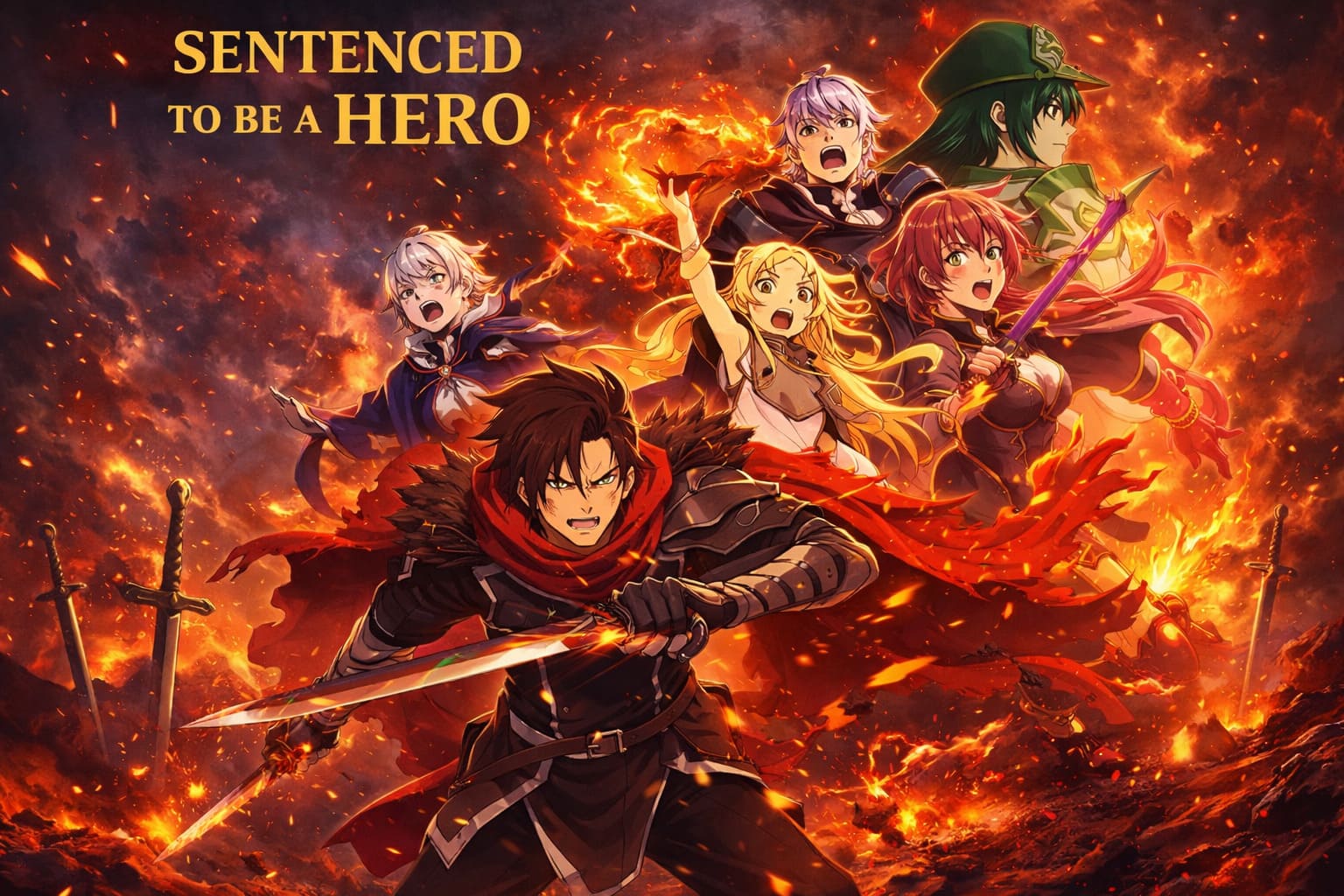
Here? You get sentenced.
The “Heroes” are society’s worst criminals—mass murderers, war criminals, terrorists—who are forcibly bound by the state and sent to die on the front lines over and over again.
At the center of it all is the Heroic Force, which functions less like a blessing and more like a biological weapon installed inside a human body.
What Makes the Heroic Force So Brutal?
- Magical Obedience Clause – Try to disobey and you experience crippling pain or instant death.
- Weaponized Immortality – Regeneration ensures you survive horrific injuries just to be redeployed tomorrow.
- Psychological Corrosion – The power doesn’t just change your body; it eats at your identity.
That last part is key. The series constantly blurs the line between who the criminal was and what the Heroic Force turns them into. Are they monsters by choice—or by design?
That’s the kind of thematic weight you rarely see in more mainstream “dark hero” titles like The Rising of the Shield Hero or Redo of Healer, which lean more into revenge fantasy. Sentenced to Be a Hero feels colder, more institutional, more systemic.
The Magic System: Power With a Price Tag
One thing that truly stands out is that the magic doesn’t feel like a video game mechanic. There are no floating stat screens, no convenient skill unlocks. Everything costs something, and usually that cost hurts.
Types of Magic in This World
1. Innate Criminal Sorcery
Most of the penal Heroes were already dangerous before their sentencing. Their magic reflects that—unstable, forbidden, and honed through underground use. These aren’t polished academy spells; they’re survival tools sharpened in darkness.
2. Sacrificial Arts
This is where things get truly brutal. Magic often demands blood, physical stamina, lifespan, or even sanity. The stronger the spell, the deeper the sacrifice—literally or metaphorically.
3. Divine Artillery
While the Heroes are human weapons, the state backs them up with massive holy constructs and magical siege systems. It reinforces a brutal irony: the strongest individuals are still just cogs in a larger war machine.
Sentenced to Be a Hero Season 1 Ending Explained: The Grim Reality of Penal Hero Unit 9004
The Power Gap: Gods in Chains
One of the most compelling dynamics in the series is that a single Hero can obliterate an entire battalion of regular soldiers, and yet they are treated as disposable tools.
That imbalance creates constant tension. You’re watching beings with near-godlike regenerative abilities being micromanaged by bureaucrats and handlers. It’s uncomfortable in the best possible way.
The Holy Republic: A Theocracy Built on War
The primary human faction, the Holy Republic of All-Heavens, might be one of the most disturbingly believable fantasy regimes in recent light novels.
Their entire system runs on the Doctrine of Atonement: criminals can “wash away” their sins through endless sacrificial combat.
Convenient, right?
The Social Divide
| Inner District Citizens | Penal Heroes |
|---|---|
| Luxury, safety, faith-driven comfort | Mud, blood, endless redeployment |
| View Heroes as holy martyrs | Treated as expendable assets |
| Protected by doctrine | Crushed by it |
This isn’t just aesthetic world-building. It’s structural. The economy, religion, and military logistics all depend on perpetual war, making the entire society complicit in the suffering of its strongest warriors.
The Stygian Realm: Ecological Horror at Its Finest
On the other side of the war lies the Demon King’s territory, a land where mana itself is corrupted and the environment becomes increasingly hostile the deeper one travels.
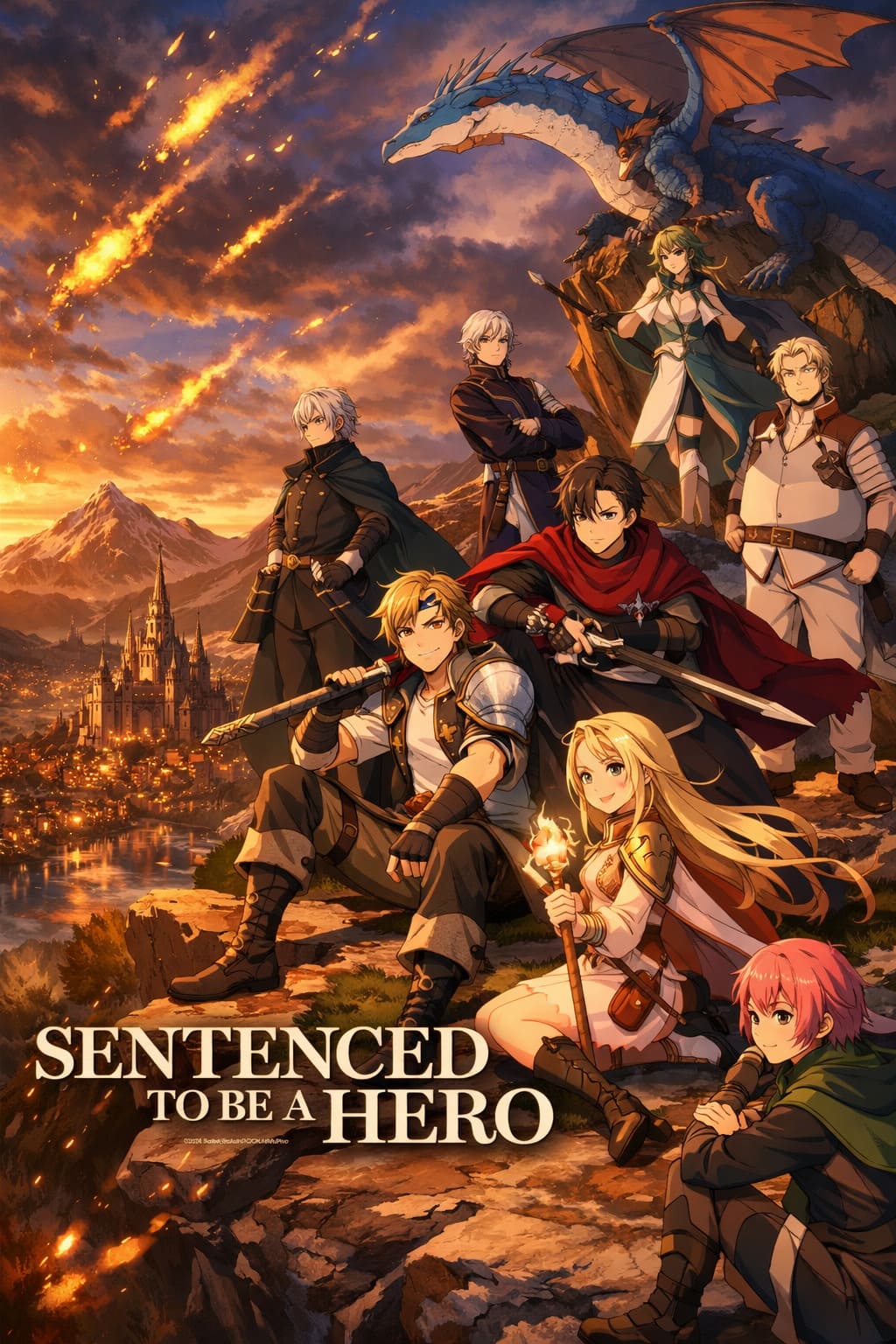
The atmosphere turns toxic to humans, ecosystems mutate into predatory nightmares, and both mindless beasts and intelligent demonic strategists stand in opposition. It feels less like a traditional fantasy kingdom of evil and more like a slow-burn magical apocalypse.
Characters That Embody the System
| Character | Ability Focus | Narrative Role |
|---|---|---|
| Zaylo | Extreme resilience and sword mastery | Seeks escape from the endless cycle of Heroism |
| Teora | High-level sorcery and tactical command | Enforcer and handler of the penal units |
| Penal Units | Varied forbidden magics | Living proof of weaponized redemption |
Zaylo, in particular, represents the core question of the series: can someone break a system designed to consume them?
Why This Series Stands Out in Modern Dark Fantasy
What makes Sentenced to Be a Hero so compelling isn’t just the violence or despair. It’s the internal logic. The politics, the war economy, the magical constraints, and the psychological consequences all function cohesively. There are no convenient loopholes or sudden friendship power-ups—just grinding attrition and moral decay.
In a genre flooded with reincarnated power fantasies, this story delivers militaristic dark fantasy with genuine thematic weight.
Final Thoughts: A Chain Disguised as a Blessing
At its heart, Sentenced to Be a Hero asks a brutal question: what if salvation was just another form of control?
The Heroic Force isn’t a divine gift; it’s a leash. Watching characters struggle against that leash while fighting literal demons and systemic oppression makes this one of the most compelling examples of modern dark fantasy world-building.
In a landscape crowded with safe, predictable hero narratives, this series dares to say that power doesn’t free you—it binds you. And that is exactly why it leaves such a lasting impact.