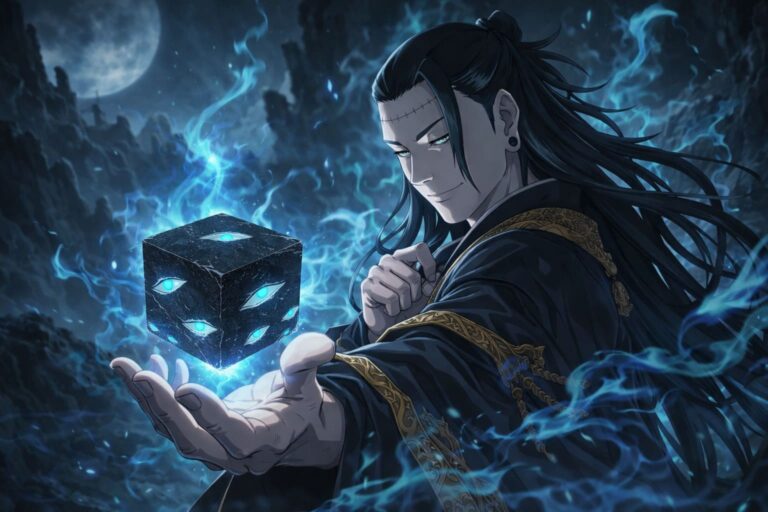
Is Xylo Forbartz a Hero or a Villain? The Dark Truth of “Sentenced to Be a Hero”
There’s something deeply compelling about a protagonist who doesn’t want to be saved — and definitely doesn’t care about saving you either. That’s exactly why Xylo Forbartz from Sentenced to Be a Hero (Japanese title: Kusabi no Madoushi) has sparked so much debate among dark fantasy fans.
I’ve watched and read enough anime and light novels to know when a character is designed to be edgy… and when they’re genuinely layered. Xylo isn’t edgy for the sake of it. He’s uncomfortable. He’s brutal. And he forces you to question what “hero” even means.
So let’s talk about it — is Xylo Forbartz a hero, a villain, or something much more disturbing?
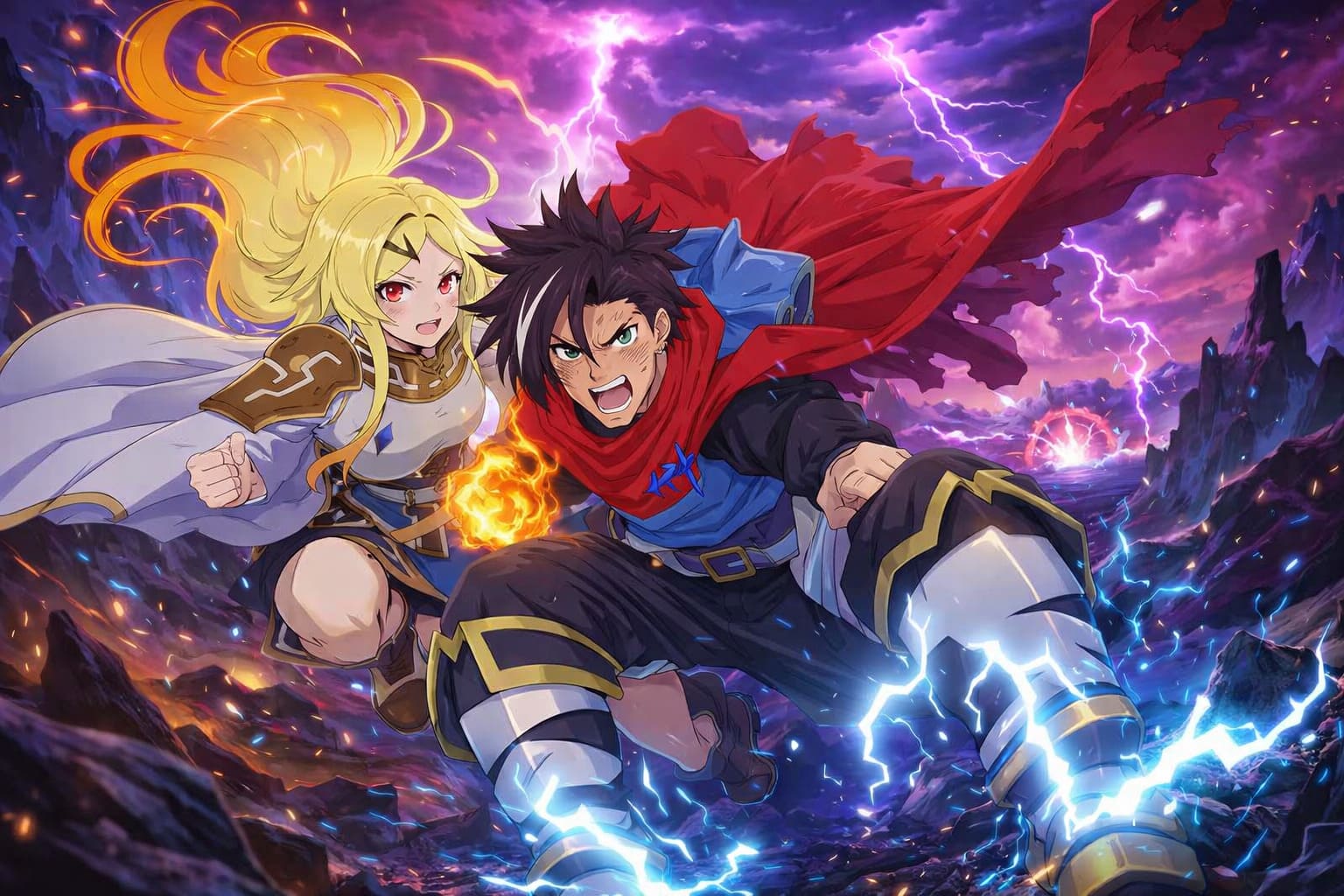
A World Where Being a Hero Is Worse Than Death
In most fantasy anime, becoming a hero is a blessing. In Sentenced to Be a Hero, it’s a punishment.
The “Heroic Sentence” is reserved for the worst criminals imaginable. Execution is too merciful for them. Instead, they’re magically bound and forced into endless war against the Demon King’s army. If they die? They’re resurrected. And sent back to the battlefield.
Xylo Forbartz isn’t just part of this system — he leads it.
Right away, that flips the typical isekai or dark fantasy narrative on its head. He isn’t chosen. He isn’t special because of destiny. He’s special because he’s irredeemable.
Or at least, that’s what the world believes.
The Case for Calling Xylo a Villain
Let’s not sugarcoat it: Xylo did terrible things.
The series slowly reveals the scale of his past crimes, but it’s clear they weren’t minor. He wasn’t a thief or political scapegoat. He committed acts so severe that society decided death wasn’t enough.
What makes it worse? He doesn’t beg for forgiveness.
He doesn’t cry about injustice.
He doesn’t even pretend to regret everything.
That’s why a lot of fans see him as fundamentally villainous. Consider:
- He fights because he’s forced to, not because he believes in justice.
- His combat style is merciless — efficient, cold, predatory.
- Collateral damage doesn’t shake him the way it would a traditional hero.
There’s a chilling practicality to him. He understands killing like a craftsman understands tools. And that mindset doesn’t magically disappear just because he’s pointed at demons instead of humans.
If you define a hero by purity of heart, Xylo fails that test immediately.
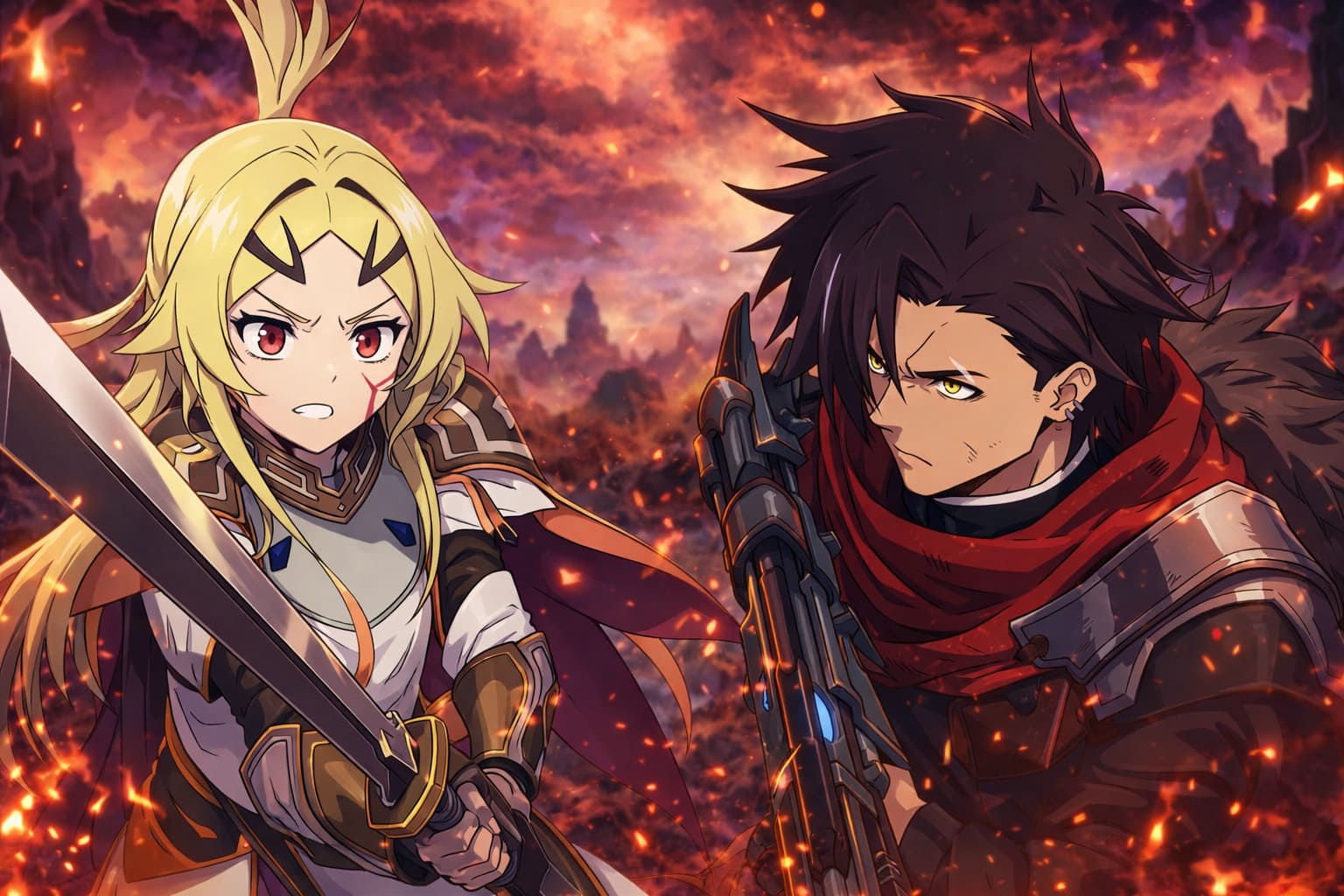
But Here’s Where It Gets Complicated
The more you watch him, the harder it becomes to label him purely as a villain.
Because when everyone else breaks — knights, soldiers, nobles — Xylo stands.
Not out of righteousness. Not out of hope.
But because he endures.
And that endurance starts looking suspiciously heroic.
1. He Protects Humanity — Whether He Admits It or Not
He claims indifference, yet:
- He holds the line when others retreat.
- He shields weaker squad members.
- He makes tactical choices that reduce long-term casualties.
Intent and action don’t always align. Xylo might not feel like a savior, but the world survives because he exists.
And impact matters.
2. He Bears a Leadership Burden No One Else Can
Leading a unit of condemned criminals isn’t inspiring work. It’s volatile, ugly, and constantly on the edge of implosion.
Yet Xylo keeps them functional.
Not through speeches — through brutal honesty and competence.
He understands them because he is one of them. And in a twisted way, that makes him the only person qualified to lead.
Sentenced to Be a Hero: Magic System and World Building Explained
3. Endless Death as Atonement
The resurrection cycle is horrific. Imagine dying violently over and over again with full awareness.
That’s his reality.
There’s something almost martyr-like about it — not in a holy sense, but in sheer suffering. He absorbs trauma repeatedly so others don’t have to.
And whether he chose this path or not, he walks it.
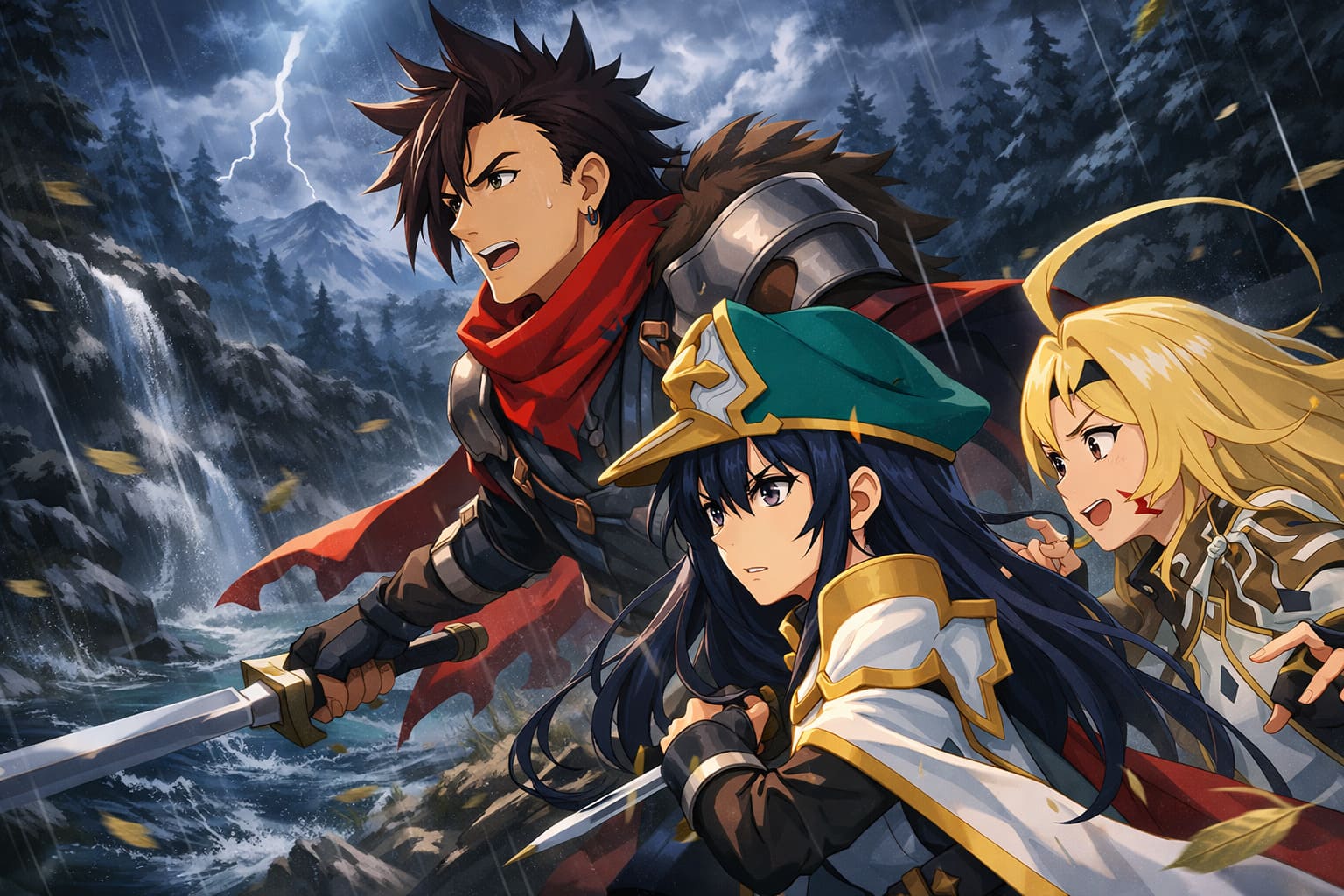
Hero vs. Villain: Breaking It Down
| Aspect | Heroic Side | Villainous Side |
|---|---|---|
| Motivation | Humanity survives because of him | He fights to fulfill a sentence |
| Methods | Strategic leadership in war | Extreme violence, zero mercy |
| Past | N/A | Heinous criminal history |
| Personality | Protective of his unit | Emotionally detached and cold |
He doesn’t fit cleanly into either column. And that’s the point.
Why Xylo Forbartz Feels So Relevant
Modern audiences love morally gray protagonists. We’re tired of flawless power fantasies and perfect self-insert heroes who never truly suffer.
Xylo isn’t aspirational.
He’s necessary.
And that’s a powerful distinction.
He represents a world so broken that only someone already shattered can hold it together. There’s something painfully honest about that. Sometimes systems don’t produce heroes — they weaponize monsters.
And sometimes those monsters become the only shield left.
So… Is Xylo Forbartz a Hero?
Here’s my take as someone who genuinely loves dark fantasy:
Xylo Forbartz is a penitent anti-hero.
He’s not redeemed.
He’s not forgiven.
He’s not pure.
But he chooses — again and again — to step back into hell when resurrection drags him there.
If heroism is defined by morality, he fails.
If heroism is defined by sacrifice and impact, he surpasses almost everyone.
What makes Sentenced to Be a Hero special isn’t that it turns a villain into a saint. It doesn’t. It never pretends his sins vanish.
Instead, it asks a harder question:
If a monster saves the world, does the world owe him forgiveness?
That’s the uncomfortable brilliance of Xylo Forbartz. He forces us to confront the idea that sometimes salvation doesn’t come from the righteous.
Sometimes it comes from the damned.