What Happened to the Cross-Eyes Boss? Dorohedoro Ending & Identity Explained
If you’ve ever finished Dorohedoro or pushed through the manga by Q Hayashida, you probably sat there for a minute thinking: “Wait… what exactly just happened to the Cross-Eyes Boss?”
You’re not alone. Even by Dorohedoro standards—where nothing is simple and everything is covered in grime—that storyline is a full-on mental maze. But honestly, that’s also why it’s one of the most unforgettable villain arcs in anime and manga.
Let’s break it down in a way that actually makes sense—and talk about why it works so well.
The Boss Was Never Just One Person
At first glance, the Cross-Eyes Boss (aka Kai) feels like your typical shadowy antagonist: quiet, brutal, and always ten steps ahead. But the deeper you go, the clearer it becomes—he’s not really a single individual.
Everything starts with Ai Coleman, a normal kid from the Hole.
After a horrific accident involving sorcerer sludge, Ai doesn’t just “survive”—he becomes something else entirely. His body turns into a container for the Hole’s collective hatred toward sorcerers. From there, multiple identities begin to form.
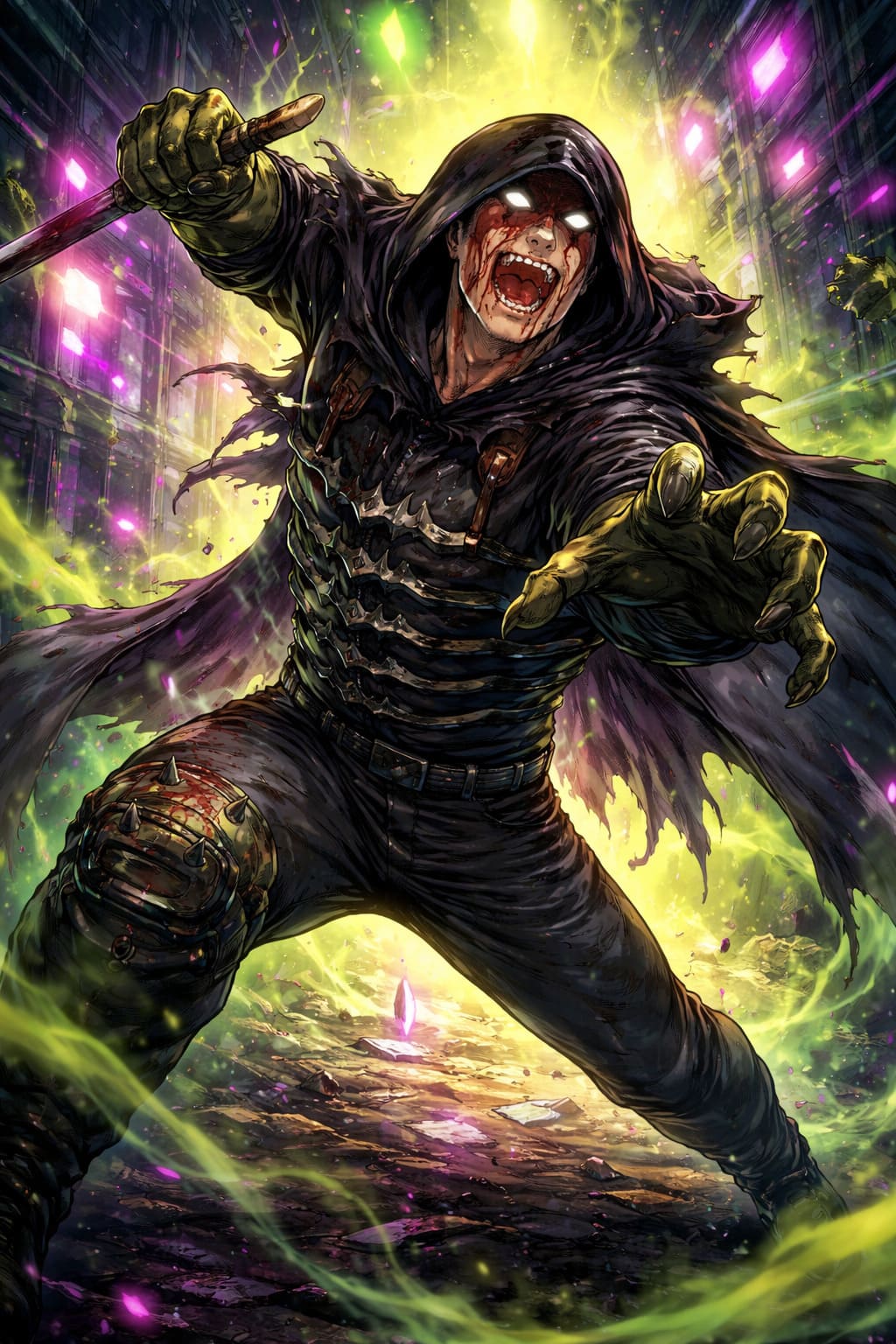
- Ai Coleman – the original human
- Kai (The Boss) – cold, ruthless, and driven by the Hole’s will
- Aikawa – a more human, friendly personality trying to live a normal life
- Caiman – the version we follow, created through curses and transformation
What makes this so fascinating and honestly kind of tragic is that none of these identities are fully “fake.” They’re all fragments of one broken existence.
Kai: A Villain Without Free Will?
Kai isn’t evil in the traditional sense. He feels more like a function than a person.
As the Boss of the Cross-Eyes, Kai leads a group of weak or outcast sorcerers. But his true goal isn’t leadership—it’s eradication. He hunts sorcerers, steals their Devil Tumors, and creates Black Powder to fuel something much bigger.
And that “something” is essentially total annihilation of sorcerers.
The twist is that Kai isn’t doing this out of ambition or ego. He’s acting as the immune system of the Hole, trying to wipe out what it sees as a disease.
- He has purpose, but no real humanity
- He inspires loyalty, but doesn’t care about followers
- He feels inevitable, like a natural disaster
The Final Evolution: From Boss to “Holey”
By the time we reach the final arc, Kai stops being just a villain.
He evolves.
After absorbing enough magic and merging with the Hole itself, he becomes something fans often call Holey—a god-like entity born from pure hatred.
At this stage his human identity is essentially gone, the Cross-Eyes lose control of their own leader, and the world begins to warp into a nightmare fueled by Black Mud.
This transformation feels less like a power-up and more like a complete loss of self.
Are Kaiman and Nikaido a Couple? The Dorohedoro Ending Explained
The Final Battle: Why Caiman Matters
The only person who can stop Holey is, fittingly, himself—or rather, a version of himself.
That’s where Caiman comes in.
Caiman isn’t just the main character. He represents a reset version of Ai Coleman—a version that somehow escaped being consumed by hatred.
With help from Nikaido and even former enemies like En, he confronts Holey in a final showdown that perfectly captures Dorohedoro’s chaotic and emotional tone.
Yes, it involves a Gyoza Wand. And yes, it actually works.
What Actually Happens to the Boss?
| Element | Outcome |
|---|---|
| Kai (The Boss) | Destroyed along with Holey |
| Ai Coleman | His original consciousness disappears |
| Aikawa | No longer exists as a separate identity |
| Caiman | Survives and becomes the final self |
So no—the Cross-Eyes Boss does not survive.
What remains is the body and the possibility of a new identity, and that identity is Caiman.
Why This Ending Works So Well
This is one of those rare cases where a complex identity twist actually pays off.
It’s Not About Winning
Caiman doesn’t defeat the Boss in a traditional sense. He breaks the cycle.
Identity Is a Choice
Even after regaining a human face that resembles Aikawa, Caiman doesn’t go back. He chooses to remain himself.
The Villain Was a Victim
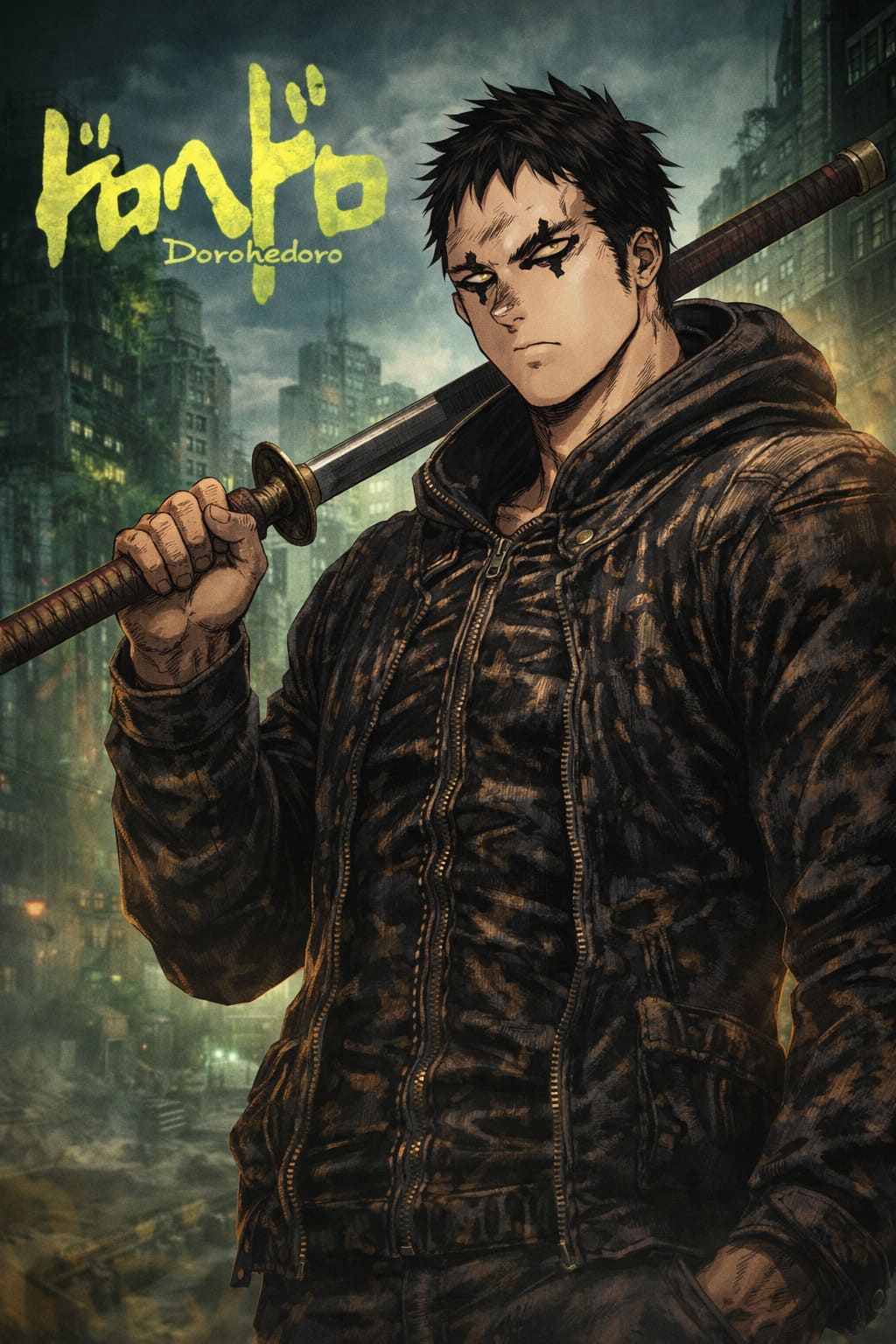
Kai wasn’t born evil—he was shaped by suffering. That doesn’t justify his actions, but it adds weight and depth to his role in the story.
What Happened to the Cross-Eyes?
After everything collapses, the Cross-Eyes organization falls apart.
Members like Dokuga are left behind to figure out their lives without the figure they once followed. It’s one of the more grounded aspects of the ending—when belief collapses, people are left searching for meaning.
Final Thoughts
What makes this storyline stand out is how messy and human it feels.
There’s no clean resolution and no simple answer to who the Boss really was. Instead, the story gives us a broken identity, a world shaped by hatred, and a character who chooses something simpler—food, friendship, and moving forward.
Caiman choosing gyoza over revenge might sound absurd, but within the story, it becomes something surprisingly meaningful.
And that’s why the Cross-Eyes Boss isn’t just a villain—he’s a warning about what happens when hatred defines identity.