Dr. Xeno: The Visionary Villain or Senku’s Greatest Ally?
When it comes to Dr. Stone, few characters spark debate like Dr. Xeno Houston Wingfield. Introduced as the ruthless mastermind of the New American City Arc, Xeno is presented as the antithesis of Senku Ishigami—a scientific genius with a vision for humanity’s revival, yet morally unshakable in his ambition to rule. But as the story evolved into the Stone to Space Saga, it became clear that labeling Xeno simply as a “villain” doesn’t capture the complexity of his character.
So, who is he really? A tyrant seeking ultimate power, or a pragmatic ally whose genius is too valuable to ignore? Let’s break it down.
The Architect of a Scientific Dictatorship
Xeno first enters the story with a chilling ideology: the world should be ruled by the smartest minds, with him firmly at the top. Unlike Senku, whose goal is the revival of all seven billion people, Xeno envisions a world where only the intellectually elite—essentially himself—hold real power.
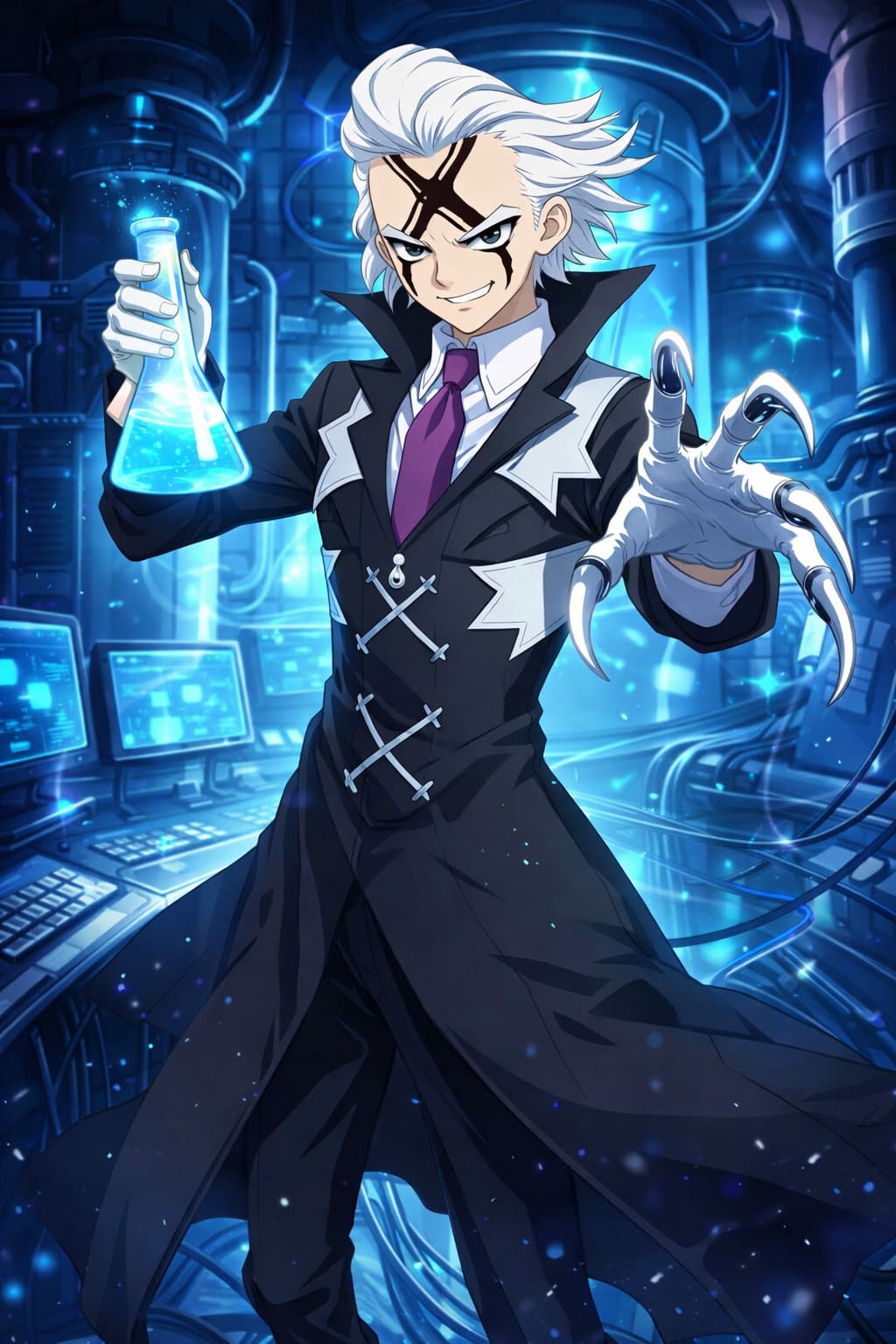
Here’s what shaped him:
- NASA Rejection: Before petrification, Xeno was a brilliant NASA scientist, but bureaucracy and politics stifled his revolutionary ideas. Feeling trapped, he grew bitter and distrustful of conventional leadership.
- A Stone World Reset: For Xeno, the petrification event wasn’t a catastrophe—it was a chance to start over. With society wiped clean, he could construct a world run by logic and scientific supremacy.
- Ruthless Efficiency: During the American arc, he didn’t hesitate to target Senku for assassination, seeing him as the one intellectual rival too dangerous to survive. This cold-blooded pragmatism cemented his reputation as a “true villain” in the eyes of fans.
At this point, Xeno seemed unstoppable—a brilliant yet terrifying figure, a man who believed that might and intellect justified any action.
Sai Nanami Mathematical Abilities Explained: Is He Smarter Than Senku?
The Surprising Mentor-Student Connection
What makes Xeno so fascinating is his hidden bond with Senku. Years before the petrification, a young Senku reached out to NASA with his rocket experiments. While others ignored him, Xeno saw the spark of genius in the boy and became his secret mentor.
This backstory adds layers:
- Respect over Rivalry: Xeno never truly hated Senku. He admired him, recognizing a kindred intellect in the boy.
- A Personal Stakes Dynamic: Their eventual conflict isn’t just ideological—it’s personal, making Xeno’s actions more nuanced than a simple villain.
Fans often discuss this on Reddit and YouTube, noting that without this foundation, Xeno might have remained purely antagonistic.
The Turning Point: From Enemy to Indispensable Ally
Xeno’s shift from villain to team player isn’t a sentimental “change of heart.” It’s rooted in logic and necessity:
- Defeat and Pragmatism: After his capture, he realized that Senku’s cooperative approach—combining science with teamwork—was far more effective than his authoritarian strategy.
- The Why-Man Threat: Learning the true scope of the petrification phenomenon forced Xeno to reconsider priorities. Humanity’s survival depended on collaboration among the brightest minds.
By the time Senku’s team reached South America and prepared for the Moon mission, Xeno had become critical to the operation. His expertise in advanced engineering allowed the construction of rockets and other technology that even Senku alone could not achieve.
Villain or Ally? The Fan Perspective
Online communities have coined the term “Antagonistic Ally” for Xeno, which seems fitting: he’s still ego-driven, still believes that most people are “too dumb to lead,” yet he channels these traits toward saving humanity.
Why Xeno feels like a villain:
- He was ready to kill Senku to seize power.
- He genuinely believes in a hierarchy where might and intellect justify dominance.

Why Xeno feels like an ally:
- He risked everything to ensure Senku’s Moon mission succeeded.
- His scientific contributions were pivotal to stopping the petrification cycle and potentially saving humanity.
This duality is what makes Xeno so compelling. He isn’t a stereotypical villain; he is a pragmatic realist with a morally complex code.
Conclusion: The Genius Who Chose Collaboration
Dr. Xeno is proof that Dr. Stone isn’t just a story about “good versus evil.” It’s a narrative about innovation, intelligence, and human potential. Xeno started as a terrifying figure, embodying the dangers of ego and unchecked brilliance, but he evolved into an indispensable ally, proving that even the most ambitious minds can redirect their brilliance for the greater good.
In the end, Xeno’s journey reminds us that science transcends ego, and sometimes, the greatest rival can become your greatest partner in shaping the future.