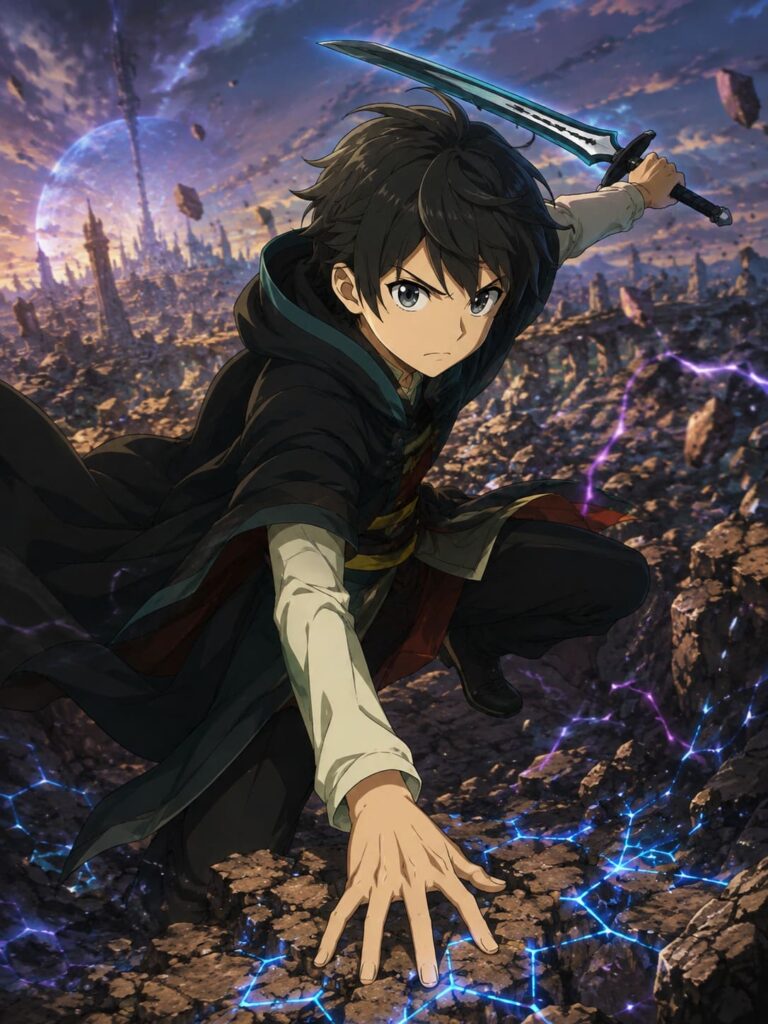
Mushoku Tensei Season 3: The Man-God’s Secret Turning Point Plan Explained
If there’s one thing I’ve learned after spending years with RPGs, visual novels, JRPGs, and story-heavy anime, it’s that the best villains rarely rely on raw power. The ones that stay with you are the manipulators. They don’t swing swords—they convince someone else to do it for them. They quietly move pieces across the board until the hero realizes the game was decided long before the first battle began.
That’s exactly why Hitogami, better known as the Man-God, has become one of my favorite modern anime antagonists.
Watching Mushoku Tensei Season 3, it becomes increasingly obvious that we’re no longer following a simple reincarnation fantasy. The series slowly transforms into a psychological war where every conversation, every dream, and every seemingly innocent decision carries enormous consequences.
Unlike many fantasy villains who loudly announce their evil intentions, Hitogami hides behind friendly advice. That’s precisely what makes him terrifying.
A Villain Who Doesn’t Need to Fight
One of the smartest aspects of Mushoku Tensei is how little Hitogami actually does himself.
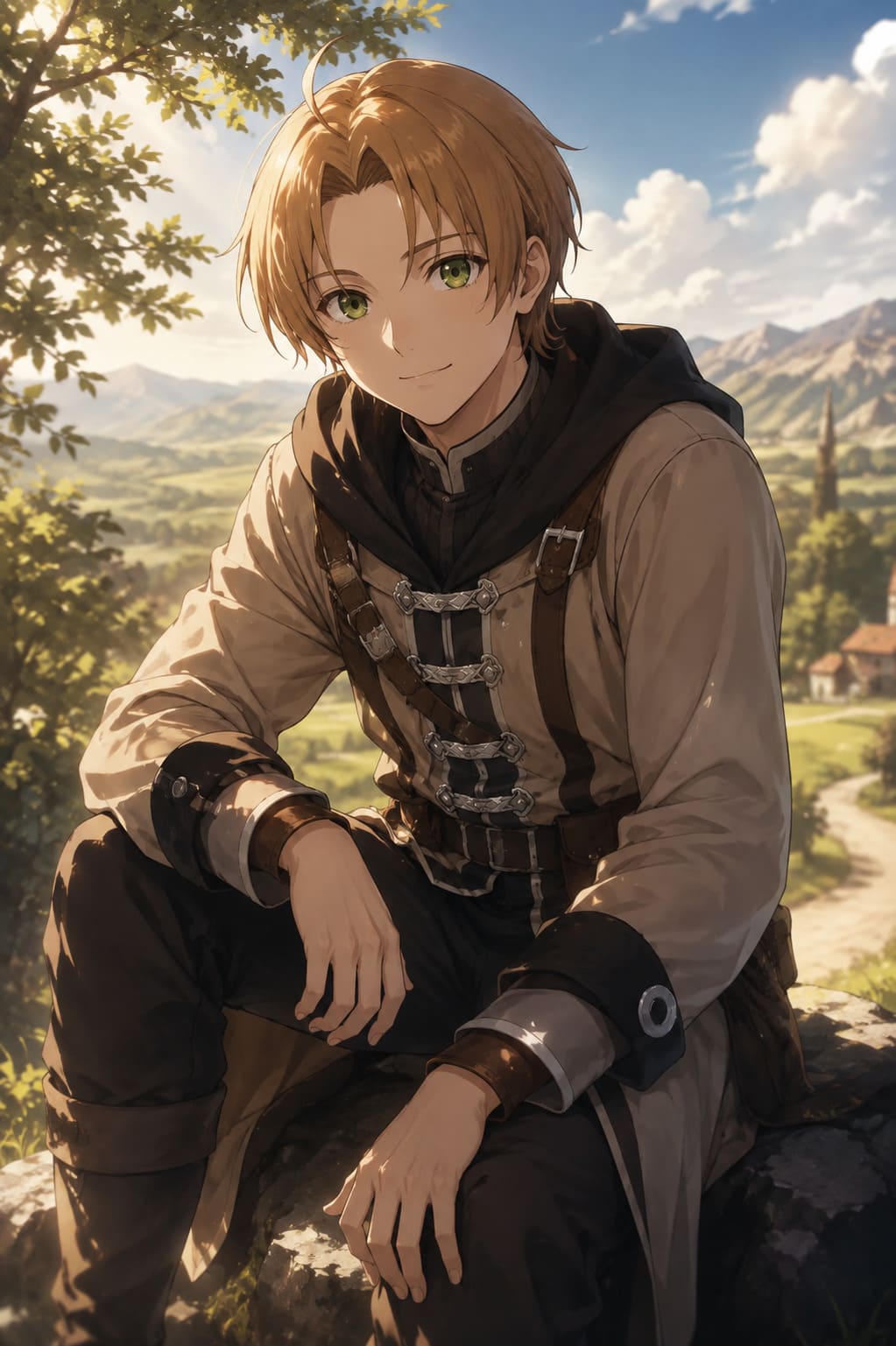
- He doesn’t invade kingdoms.
- He doesn’t command giant armies.
- He rarely even leaves the strange white void where Rudeus meets him.
Instead, he manipulates people.
Every appearance feels casual. Every suggestion sounds reasonable. Every warning contains just enough truth to earn Rudeus’ trust.
That approach reminds me more of the greatest strategy games than traditional fantasy stories. The strongest player isn’t always the one with the biggest army—it’s the one controlling everyone else’s moves without being noticed.
Hitogami has mastered exactly that.
Why Rudeus Changes Everything
The biggest mistake many anime-only viewers make is assuming Rudeus is simply another talented protagonist.
He’s much more than that.
His reincarnation introduces something completely unpredictable into a world that previously followed relatively stable patterns. Because of his unique existence, future events become far more difficult for Hitogami to predict.
That uncertainty forces the Man-God to abandon direct solutions.
Instead of eliminating Rudeus immediately, he begins investing years into manipulating him psychologically.
In my opinion, that’s where the writing becomes genuinely impressive.
Most stories escalate by introducing stronger enemies.
Mushoku Tensei escalates by introducing smarter ones.
Understanding the Meaning of “Turning Points”
The anime repeatedly references Turning Points, but they’re often misunderstood.
They’re not simply dramatic episodes or major battles.
They’re moments where a single decision permanently alters the direction of history.
- Turning Point 1 completely reshaped countless lives through the teleportation disaster.
- Turning Point 2 introduced Rudeus to Orsted, changing both of their futures forever.
- Turning Point 3 revolved around one seemingly simple choice: whether to travel to the Begaritt Continent.
None of these moments depended on flashy action.
They depended on decisions.
That’s a surprisingly mature way to build tension.
The Advice That Was Never About Helping
Looking back, it’s fascinating how believable Hitogami’s recommendations initially seem.
He often gives advice that genuinely benefits Rudeus.
That’s intentional.
A manipulator who lies every time quickly loses credibility.
A manipulator who tells the truth most of the time becomes nearly impossible to distrust.
By the time Rudeus receives the warning not to travel to Begaritt, viewers have already seen enough successful predictions to believe Hitogami might actually care.
But hindsight changes everything.
The warning wasn’t about protecting Rudeus from grief.
It was about preventing something far more dangerous from happening.
Without that journey, Rudeus’ future changes dramatically.
One meeting never occurs.
One relationship never develops.
And one child who eventually becomes incredibly important would never exist.
Suddenly, an emotional family decision becomes a move in a centuries-long conflict.
That’s brilliant storytelling.
Why Hitogami Feels Different From Typical Anime Villains
I’ve watched plenty of fantasy anime where the villain simply wants ultimate power.
Hitogami’s motivation feels more believable.
He’s afraid.
Everything he does is driven by survival.
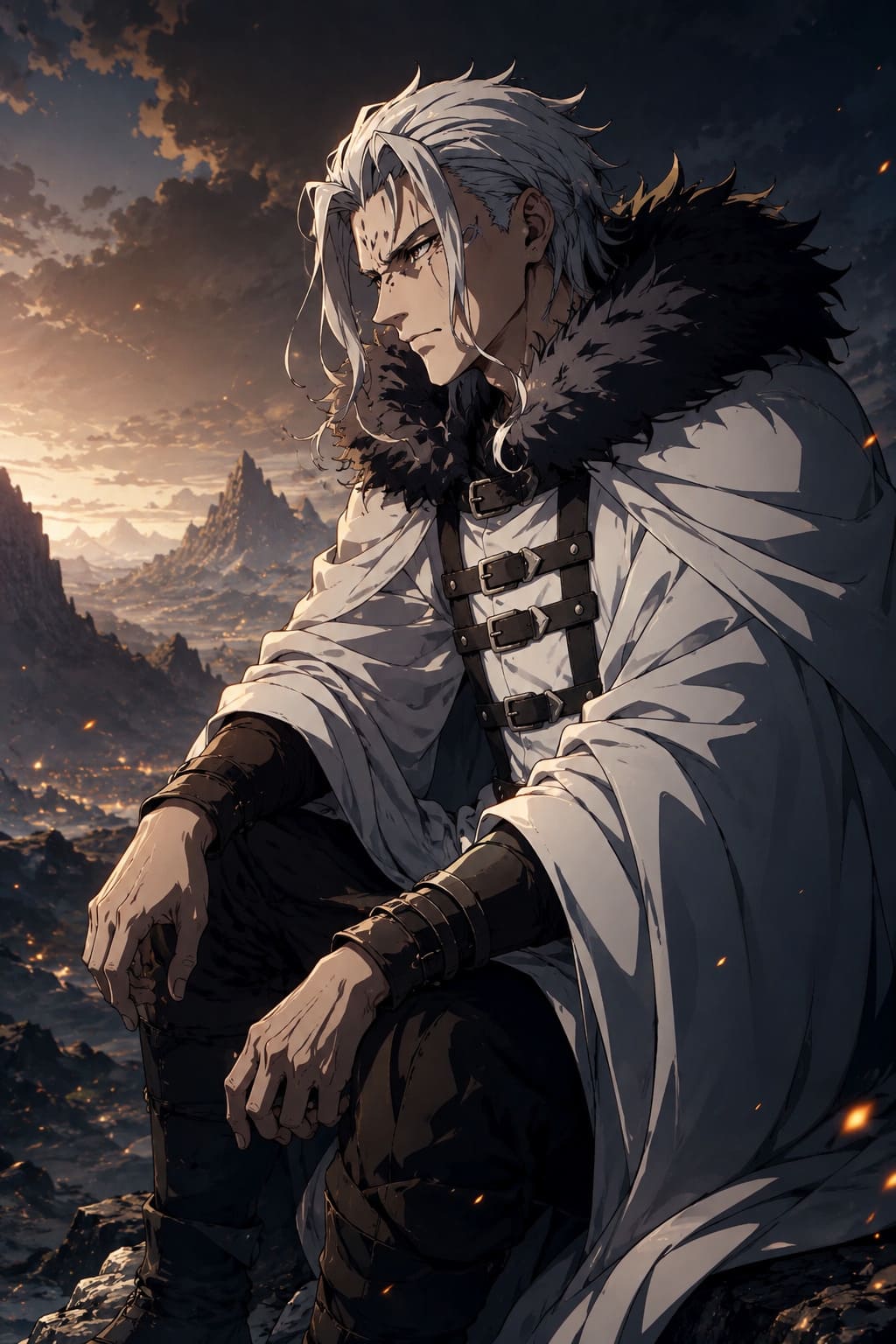
Knowing that someone in the future may eventually defeat him changes every action he takes.
Instead of conquering the world, he constantly edits the future.
That creates an antagonist who behaves less like a demon king and more like a chess grandmaster.
Every conversation becomes another calculated move.
Every relationship becomes another piece on the board.
Turning Point 4 Raises the Stakes Dramatically
Without going into every detail, Turning Point 4 completely changes the atmosphere of Mushoku Tensei.
Up until this stage, the series balances adventure, comedy, romance, and family life.
Then everything becomes darker.
Much darker.
The biggest strength of this storyline isn’t simply the tragedy itself.
It’s how ordinary everything appears beforehand.
The danger isn’t introduced through an invading army or legendary monster.
It begins with something incredibly small.
That gradual escalation makes the emotional impact significantly stronger than if the series relied on constant action scenes.
The Importance of Trust
One detail I especially appreciate is how Hitogami rebuilds Rudeus’ confidence before making his next move.
That’s realistic manipulation.
People rarely fall for obvious deception.
They fall for someone they’ve already decided to trust.
The anime spends considerable time showing this relationship evolve, making later events feel earned instead of forced.
Too many fantasy series rush major betrayals.
Mushoku Tensei patiently constructs them.
That patience pays off.
Does Rudeus Greyrat Fight Orsted Again in Season 3? Mushoku Tensei Rematch Explained
Character Growth Finally Takes Center Stage
One criticism sometimes aimed at earlier parts of Mushoku Tensei is that Rudeus often reacts to events instead of controlling them.
Season 3 begins changing that dynamic.
Instead of blindly accepting guidance, he slowly starts questioning the motivations behind every piece of advice.
That shift transforms him from someone following destiny into someone actively challenging it.
Personally, I think that’s one of the strongest developments in the entire story.
The protagonist doesn’t become stronger because he learns another spell.
He becomes stronger because he finally learns who deserves his trust.
Hitogami vs. Orsted
| Character | Primary Strength | Greatest Weakness | Long-Term Goal |
|---|---|---|---|
| Hitogami | Foresight and manipulation | Overconfidence | Preserve his own existence |
| Orsted | Overwhelming combat ability | Time loop limitations | End Hitogami’s influence forever |
| Rudeus | Adaptability and emotional growth | Self-doubt | Protect the people he loves |
That’s why this conflict feels so compelling.
Nobody wins through brute force alone.
Information matters.
Trust matters.
Timing matters.
Why Fans Are So Excited About Season 3
Every anime has a moment that changes how audiences view the entire series.
For many people, this is that moment.
Long-time light novel readers have discussed these chapters for years because they redefine almost everything established beforehand.
Scenes that once appeared random suddenly gain entirely new meanings.
Earlier conversations become suspicious.
Past advice becomes questionable.
Even innocent interactions begin carrying hidden significance.
That’s exactly the kind of payoff I enjoy most in long-running stories.
Instead of introducing endless mysteries, Mushoku Tensei starts answering old ones in satisfying ways.
Final Thoughts
After spending countless hours with narrative-driven games and fantasy series, I’ve come to appreciate stories that reward attention to detail.
Mushoku Tensei Season 3 does exactly that.
Hitogami isn’t memorable because he’s unstoppable.
He’s memorable because his greatest weapon is understanding human nature.
He predicts fear.
He predicts regret.
He predicts hesitation.
For a long time, those predictions are enough to keep him ahead of everyone else.
But every strategy has limits.
As Rudeus begins seeing through the illusion, the balance of power slowly shifts. The comfortable feeling that surrounded much of the earlier story gives way to something far more intense—a battle fought through decisions, relationships, and carefully laid plans rather than simple displays of magical strength.
If the anime continues adapting the source material with the same level of care, Season 3 could easily become the defining chapter of Mushoku Tensei. Not because it features the biggest fights, but because it finally reveals the true game that has been unfolding since the very beginning.