Re:Zero Arc 6 Julius Juukulius Name Erasure Resolution and Character Arc Explained
If there’s one thing Re:Zero − Starting Life in Another World does better than almost any modern dark fantasy series, it’s destroying characters emotionally just to rebuild them into something stronger. Arc 6 — the legendary Pleiades Watchtower arc — is basically the peak example of that philosophy. And while most fans instantly think about Subaru’s insanity loops, Louis Arneb chaos, or Reid Astrea’s monstrous aura, I genuinely think the most underrated masterpiece of the entire arc is Julius Juukulius.
Not Subaru. Not Emilia. Julius.
What makes Julius’s storyline hit so hard is that Tappei Nagatsuki attacks the very core of his existence. This isn’t just a “strong character loses a fight” situation. This is a total annihilation of identity. The kind of psychological horror that only Re:Zero can pull off.
And honestly? Arc 6 transformed Julius from “cool side knight” into one of the best-written characters in the franchise.
From Perfect Knight to Absolute Nobody
Before Arc 6, Julius was basically the image of perfection in Lugunica.
- Elegant
- Talented
- Respected
- Handsome
- Spirit arts genius
- The kingdom’s ideal knight
He was the guy who always looked composed, even when everyone else was falling apart. Back in earlier arcs, especially after his duel with Subaru, many fans saw him as arrogant or overly polished. But Arc 6 completely reframes him.
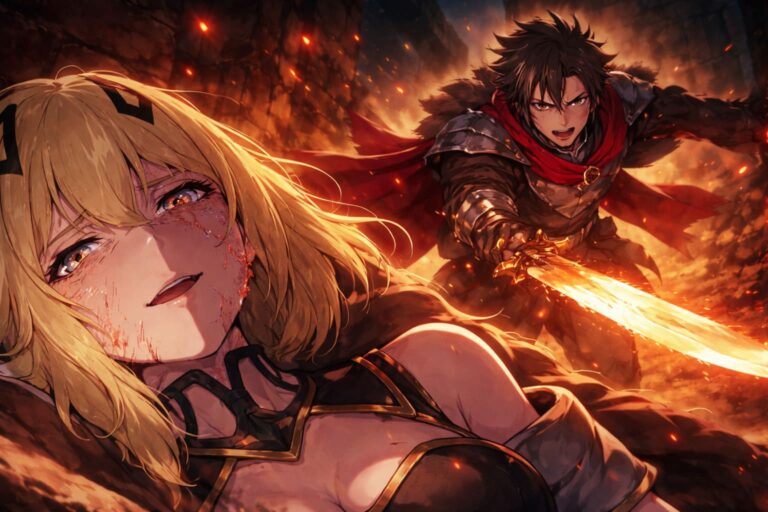
After the battle in Priestella against Roy Alphard, Julius suffers one of the cruelest fates in the series: name erasure.

And the terrifying part is how absolute it is.
The world doesn’t simply “forget” him. Reality itself rewrites around his absence.
His contracts weaken. His relationships vanish. Records disappear. Even Anastasia — the person he devoted his life to protecting — looks at him like a stranger.
That’s what makes the Gluttony Authority so horrifying in Re:Zero lore. Death at least leaves memories behind. Name erasure removes proof you ever mattered.
For a character whose identity was built entirely around being “the perfect knight,” this is existential destruction.
Why Arc 6’s Psychological Writing Is So Good
One thing I love about Arc 6 is that it strips away masks.
Subaru loses his memories. Ram loses certainty. Emilia faces her past. And Julius loses the validation that defined him.
That’s important.
Because deep down, Julius always relied on external recognition. His titles, reputation, nobility, and flawless etiquette became emotional armor. Once all of that disappeared, he had no idea who he was anymore.
That’s why the Reid Astrea confrontation works so insanely well.
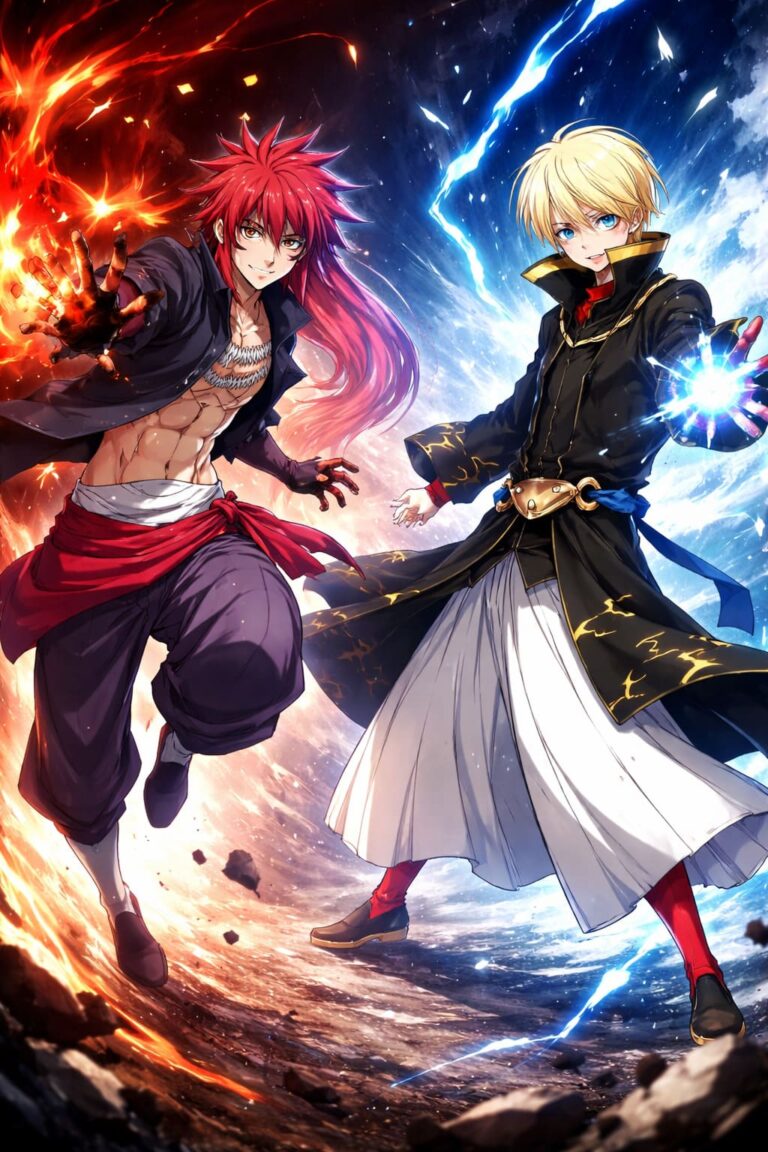
Reid Astrea isn’t just “a strong boss fight.” He’s basically the anti-Julius.
| Julius | Reid |
|---|---|
| Refined | Vulgar |
| Disciplined | Wild |
| Formal swordsmanship | Pure instinct |
| Bound by ideals | Completely free |
| Fights elegantly | Fights brutally |
Reid sees straight through Julius instantly.
Every insult Reid throws at him cuts deeper because there’s truth inside it. Julius was hiding behind the image of the ideal knight. Reid exposes that weakness brutally by humiliating him over and over — sometimes with literal chopsticks.
And somehow, those scenes became some of the rawest character writing in the entire series.
Re:Zero Cor Leonis Authority Explained: Subaru’s Greed Shift vs. Regulus Corneas
Subaru and Julius: The Friendship Nobody Expected
One of the most underrated dynamics in Arc 6 is the relationship between Natsuki Subaru and Julius.
Early Re:Zero intentionally frames them almost like rivals. Subaru hated Julius’s perfection. Julius looked down on Subaru’s recklessness.
But Arc 6 changes everything.
Ironically, Subaru becomes the one person capable of understanding Julius’s pain. Since Subaru remembers him, Julius still has one witness proving he existed.
And Subaru doesn’t comfort him politely either.
He calls Julius out.
That confrontation matters because Subaru basically tells him:
Your identity isn’t something the world gives you. It’s something you choose through your actions.
That’s the moment Julius finally starts evolving beyond the fake image of perfection.
Not into a weaker person.
Into a real one.
The Spirit Contract Scene Is Pure Cinema

I don’t care if someone watches anime, reads light novels, or only follows summaries online — the spirit contract resolution in Arc 6 is legendary.
When Julius realizes his contracts with his spirits are basically hollow remnants of forgotten memories, he does something terrifying:
He severs them.
Completely.
That scene is painful because the spirits weren’t tools to him. They were companions. Family, even. Breaking those contracts feels like Julius destroying the last evidence of his old self.
But then comes the masterpiece.
Instead of forcing loyalty through old bonds, Julius speaks to the spirits honestly for the first time. No titles. No knightly facade. No perfect composure.
Just sincerity.
And the spirits choose him again.
- Not because the world remembers him
- Not because of destiny
- Not because of status
Because they believe in him.
That moment is the true rebirth of Julius Juukulius.
The Reid Fight Was More Than a Victory
The final clash against Reid is one of the coolest fights in Re:Zero, but emotionally it’s even better than it is visually.
Julius returning with his evolved spirits — now transformed into powerful elemental maidens — feels earned in a way many anime power-ups don’t.
There’s no random friendship boost. No hidden chosen-one reveal. No cheap miracle.
He becomes stronger because he finally understands himself.
And his declaration:
“I am the Greatest Knight, Julius Juukulius.”
…hits unbelievably hard precisely because nobody remembers that name anymore.
That line isn’t arrogance.
It’s self-acceptance.
And Reid acknowledging him afterward is basically the ultimate seal of approval. Reid respects strength above everything else, so the fact that he promises to remember Julius’s name says more than any royal title ever could.
The Most Important Detail Fans Misunderstand
A lot of casual discussions online mistakenly assume Julius gets his name restored at the end of Arc 6.
He doesn’t.
That’s what makes the ending so powerful.
The curse remains because Roy Alphard is still alive. Julius leaves the Watchtower still forgotten by almost everyone he loves.
And yet… he’s finally okay with that.
That’s the true resolution of his character arc.
Earlier Julius needed the world’s recognition to validate himself. By the end of Arc 6, he no longer depends on it.
That’s massive growth.
Why Julius Became One of Re:Zero’s Best Characters
Arc 6 proves something important about Re:Zero as a story:
The series isn’t really about power systems or fantasy lore.
It’s about identity.
About what remains when pride, reputation, memories, and status are ripped away.
Julius’s journey perfectly represents that theme. He starts as a man obsessed with embodying the “ideal knight,” but ends as someone far stronger: a person who understands his worth even when the world denies his existence.
That’s why his story resonates so much with fans.
Not because he won a fight.
Because he learned who he was without applause.
And honestly, in a series filled with monsters, witches, death loops, and cosmic horror… that may be the most human victory in all of Arc 6.