Steel Ball Run Anime: Netflix Release Guide
Introduction
The arrival of JoJo’s Bizarre Adventure: Steel Ball Run on Netflix has been one of the most talked-about anime events in recent memory. As someone who’s followed JoJo for years, I honestly didn’t expect the adaptation to spark this level of debate so early—but here we are.
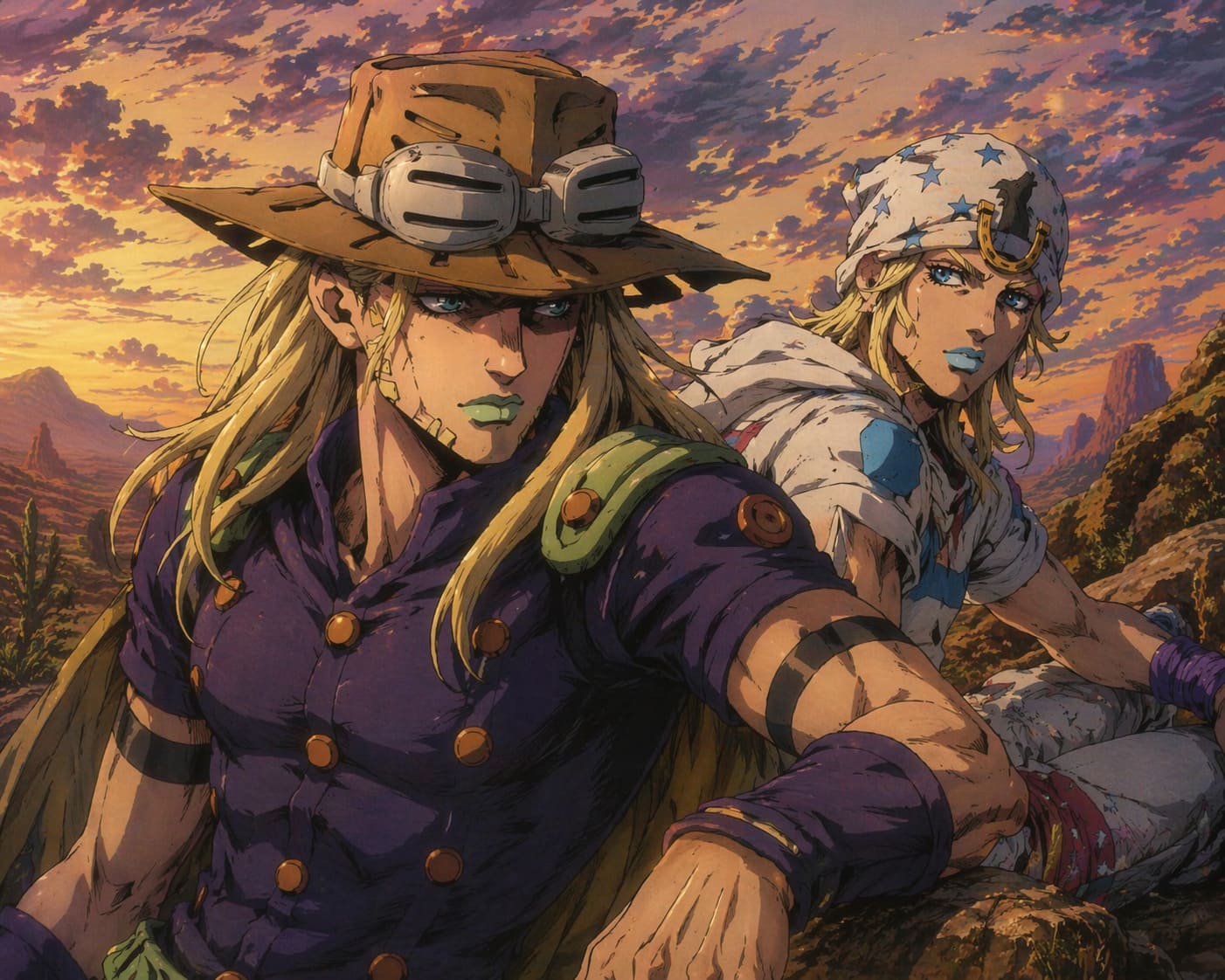
Between Netflix’s unusual release strategy, heavy expectations from manga fans, and the sheer difficulty of animating a continent-spanning horse race, this adaptation already feels like something bigger than just “another JoJo season.”
And yeah—people are divided. Some call it ambitious. Others call it chaotic. The truth is probably somewhere in the middle.
Ayanokoji’s Plan for Kei Karuizawa in Year 2: Love or Just Another Tool?
A Different Kind of JoJo Release Strategy
One of the first things fans noticed isn’t even about the story—it’s how Netflix is handling the release. After the backlash from the Stone Ocean batch drop model, expectations were that Netflix would rethink things. And to their credit, they did… partially.
The current structure starts with a 47-minute premiere special for the 1st Stage, followed by a planned weekly release format for the 2nd Stage in Fall 2026. This shift toward a weekly model has already revived a sense of community engagement that was missing in previous Netflix anime releases.
Fans have even started jokingly calling it “JoJo Fridays,” which honestly feels fitting. JoJo is not a binge-and-forget series—it thrives on weekly discussion, theories, and memes.
The Impossible Challenge: Animating Steel Ball Run
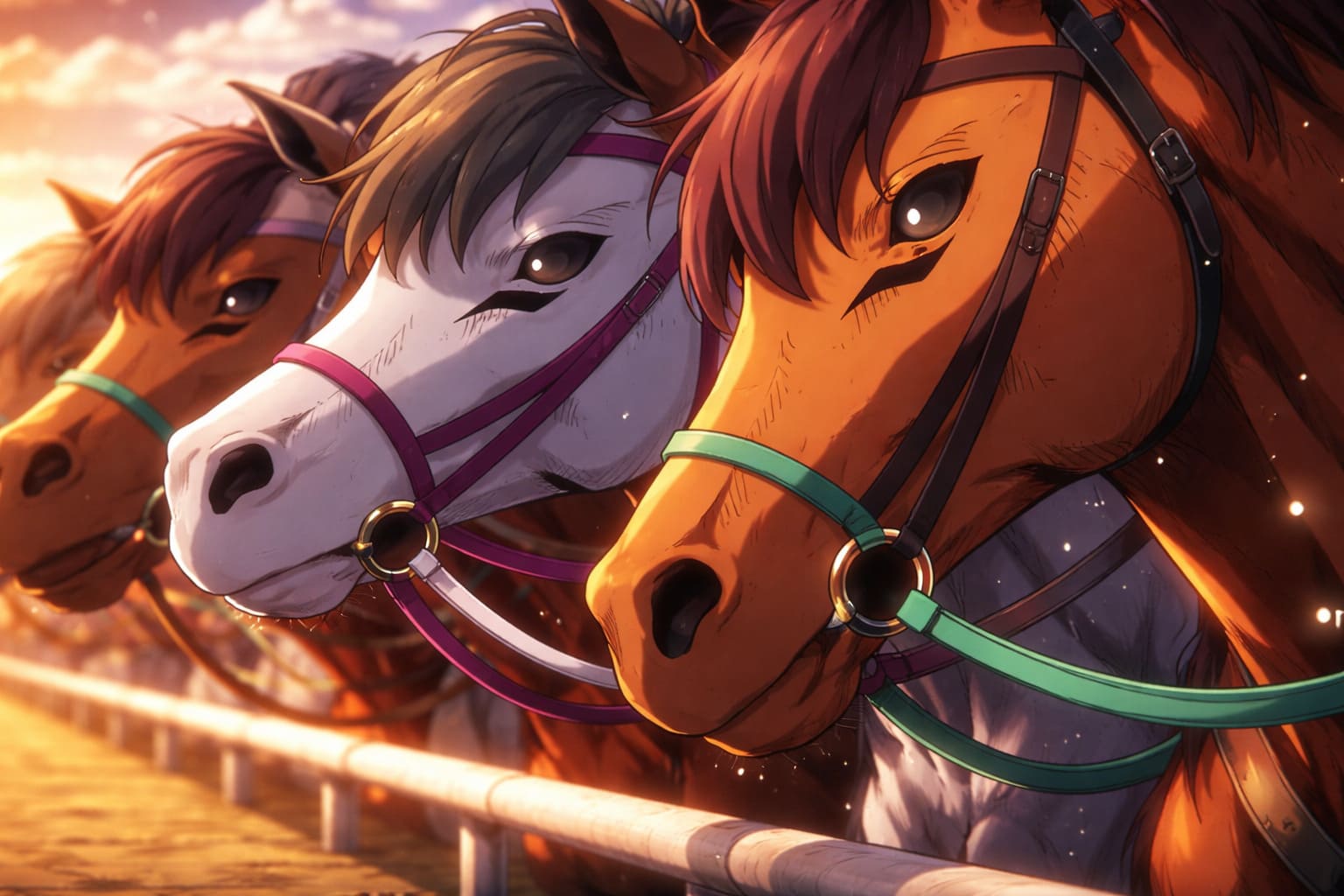
Let’s talk about the elephant—or rather, the horse—in the room. Steel Ball Run is visually and structurally different from anything David Production has handled before. It’s not just fights and poses. It’s a full-scale cross-country horse race with constant motion and environmental storytelling.
Horses alone present a massive animation challenge: continuous movement, terrain interaction, rider dynamics, and high-speed action sequences all need to feel believable and fluid. That is not easy in traditional 2D animation.
The solution is a hybrid approach. Close-up emotional scenes and key action moments are done in traditional 2D animation, while wide shots and large race sequences rely on CGI. It’s not flawless—some transitions make the CGI noticeable—but overall it maintains visual coherence surprisingly well.
Personally, I’d rather see slightly visible CGI than broken motion or inconsistent pacing. The scale of this story demands compromise.
What Changed From the Manga?
Like any major adaptation, Steel Ball Run cannot translate everything from page to screen perfectly. Some trimming was inevitable, but the way it was handled is what’s sparking discussion among fans.
Notable Cuts and Compression
Johnny Joestar’s early backstory is slightly condensed, Sandman’s introduction is faster than in the manga, and several smaller character moments—like Gyro Zeppeli’s quieter interactions—are shortened or restructured. These are not story-breaking changes, but they do affect pacing and emotional buildup.
What Was Expanded Instead
On the other hand, some elements were given more attention than expected. The mysterious atmosphere around the Devil’s Palm is stronger, environmental storytelling is more pronounced, and the anime emphasizes the surreal, almost horror-like tone of certain locations.
This suggests the adaptation is prioritizing mood and cinematic flow over strict manga replication. And surprisingly, it works in many scenes.
The Alternate Universe Emphasis
One of the most noticeable creative choices is how strongly the anime emphasizes that Steel Ball Run exists in an alternate continuity. Instead of assuming prior JoJo knowledge, the adaptation makes it clear from the start that this is a rebooted narrative universe.
This helps new viewers a lot, but it also slightly changes the feeling of connection for long-time fans. JoJo has always been about generational continuity, so shifting focus to separation instead of lineage is a bold decision.
Localization and Stand Names
As expected, localization remains a core part of the JoJo anime experience. Stand names are partially altered in English versions due to licensing concerns, while Japanese audio retains original references.
For example, “Dirty Deeds Done Dirt Cheap” becomes “Filthy Acts Done at a Reasonable Price” in English subtitles. It’s a classic JoJo localization situation—familiar to fans, but still slightly humorous every time it happens.
Voice Acting and Casting Reactions
The English dub has received a mixed but generally positive response. Some casting choices surprised fans initially, especially for key characters like Gyro Zeppeli, but reactions have softened after watching full episodes.
Overall, performances are solid, and the cast seems to understand the eccentric tone required for JoJo. As always, it takes a few episodes for the dub to fully “click” with audiences.
Fan Theories About the Next Stage
With the second stage planned for Fall 2026, the community is already full of theories about what might happen next.
One popular theory suggests that Diego Brando will receive expanded foreshadowing, setting up his future role more heavily than in the manga. Another theory proposes that early stand battles will be extended to better showcase the American landscape and racing journey.
There’s also a more ambitious idea floating around: that the season might end with a teaser for JoJolion, connecting Steel Ball Run more explicitly to the broader “SBR universe” concept.
Final Thoughts
Steel Ball Run on Netflix feels like a high-risk, high-reward adaptation. It’s not perfect, and it clearly makes compromises, but it also attempts something extremely ambitious in scale, tone, and structure.
What works so far is the atmosphere, the improved release strategy, and the commitment to adapting a notoriously difficult manga. What doesn’t fully land yet is pacing consistency and occasional visual rough edges.
But it’s still early. If the second stage delivers on its potential, this could easily become one of the most respected JoJo adaptations ever made.
Right now, it feels less like a finished product and more like a living project evolving alongside fan reaction. And honestly, that might be exactly what Steel Ball Run needs.
If Netflix manages to stick the landing, this won’t just be another JoJo adaptation—it will be a defining moment for the franchise’s future.