Shin Kohazame in Kill Blue: The Ultimate Guide to the Pacifier Assassin
If there’s one character in Kill Blue who completely steals every scene he appears in, it’s Shin Kohazame. In a manga already packed with absurd comedy, elite assassins, and chaotic school life, Shin somehow manages to stand out even more — and honestly, that says a lot.
At first glance, he looks like a joke character. Pink hair. Tiny build. Baby pacifier permanently stuck in his mouth. But the moment the action starts, Fujimaki flips the entire expectation upside down. Shin isn’t comic relief — he’s one of the deadliest fighters introduced in the early story, and probably one of the most entertaining rivals in modern shonen manga right now.
What makes him special isn’t just the fighting style or the visual gimmick. It’s the fact that underneath all the chaos, Shin feels weirdly human. He’s awkward, socially anxious, emotionally confused, and completely incapable of acting normal around the people he likes. That combination of deadly assassin energy and painfully relatable insecurity is exactly why the fandom became obsessed with him almost instantly.
Why Shin Kohazame Became a Fan Favorite So Fast
A lot of modern shonen rivals fall into the same formula: cold personality, edgy dialogue, tragic backstory, and constant power flexing. Shin breaks that pattern completely.
Instead of acting untouchable, he feels vulnerable almost all the time. Without his pacifier, he basically shuts down socially. He struggles to talk to people, panics during conversations, and turns simple interactions into disasters. But once the pacifier is back in place, his personality shifts instantly into assassin mode.
That duality is honestly what makes him so memorable.
One second he’s nervously trying to hand over a love letter. The next second he’s launching tactical pacifier projectiles with sniper-level precision across an entire school building.
And somehow… it works perfectly.
The Pacifier Isn’t Just a Joke
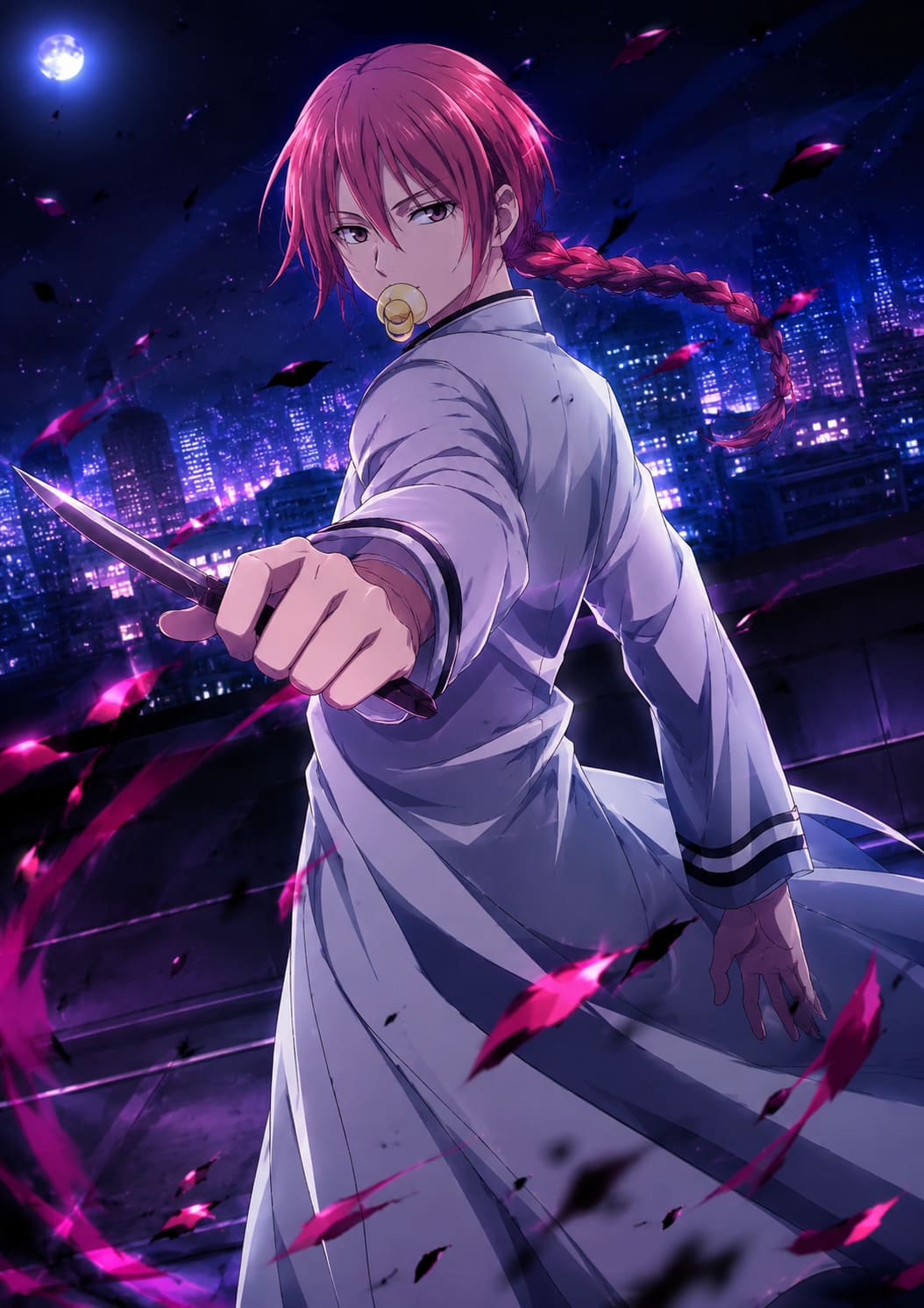
One of the smartest things Kill Blue does is treat Shin’s pacifier as more than a comedy prop.
It functions almost like a psychological stabilizer. The pacifier helps him control his anxiety and maintain focus under pressure. That tiny detail adds surprising emotional depth to his character because it transforms something ridiculous into something meaningful.
Instead of laughing at Shin, readers start rooting for him.
A lot of anime fans connected with that immediately because his anxiety feels authentic beneath the exaggerated comedy. He isn’t confident by nature — he’s forcing himself to function in a world that constantly overwhelms him.
That’s a huge reason why discussions about Shin exploded online after his introduction.
Kill Blue: How Did Juzo Ogami Turn into a Middle Schooler? Explained
The Pacifier Battle Arc Changed Everything
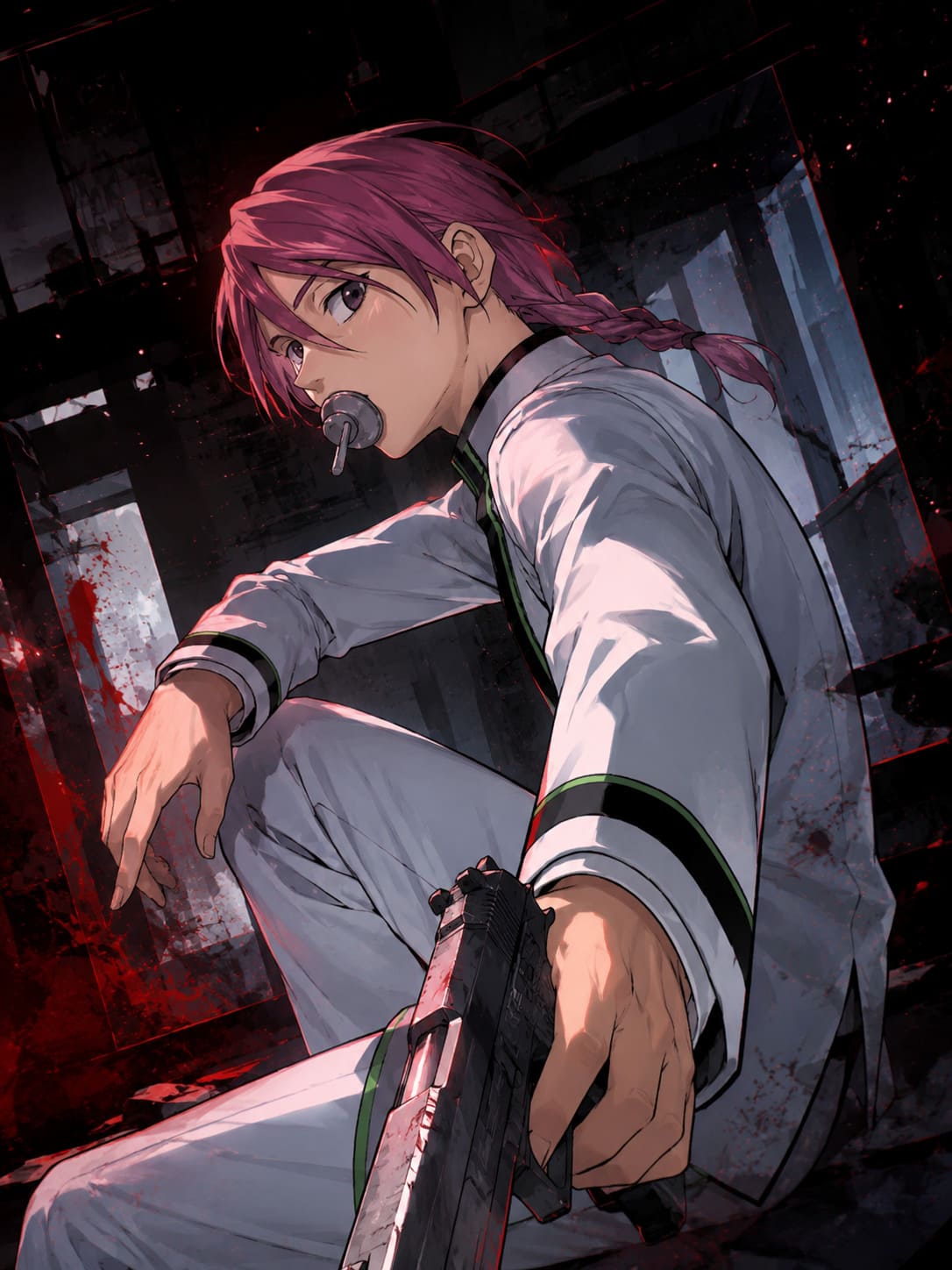
The moment Shin truly became iconic was during the Pacifier Battle Arc.
This arc is basically the perfect example of what makes Kill Blue different from typical battle manga. The setup sounds completely insane on paper: an assassin duel over a school romance rivalry involving pacifiers with school reputation on the line.
But Fujimaki somehow turns it into one of the most creative action sequences in the series.
Shin challenges Juzo Ogami because he sees him as both a romantic obstacle and a suspiciously dangerous classmate. His mission is simple: force a pacifier into Juzo’s mouth within the time limit and publicly humiliate him.
What follows is absolute chaos.
Shin moves across the battlefield with insane speed, bouncing projectiles off walls, setting traps, and creating pressure from every direction. The choreography during this fight feels incredibly dynamic because Shin doesn’t fight like a traditional martial artist. His movements are unpredictable, fast, and almost playful — until you realize how lethal they actually are.
The rain-of-pacifiers trap near the end of the duel is still one of the coolest visual moments in early Kill Blue.
Kill Blue Anime Review: Tadatoshi Fujimaki’s Hitman Comedy Worth Watching?
Shin’s Fighting Style Is Ridiculously Creative
A big reason fans love Shin is because his combat style feels fresh compared to other shonen fighters.
Instead of giant energy blasts or oversized weapons, his entire arsenal revolves around modified pacifiers. It sounds stupid — but visually, it’s awesome.
Shin’s Combat Strengths
| Ability | Description |
|---|---|
| Projectile Accuracy | Can launch pacifiers with extreme speed and precision. |
| High Mobility | Uses rapid movement and acrobatics to overwhelm opponents. |
| Tactical Thinking | Constantly analyzes terrain and enemy positioning. |
| Psychological Pressure | Confuses opponents with unpredictable attacks. |
| Reflex Speed | Reacts almost instantly while focused. |
His fights feel less like brute-force battles and more like high-speed tactical games. That’s part of what makes him entertaining to watch or read compared to more generic overpower-type characters.
The Best Part of Shin’s Story Isn’t the Fighting
Honestly, the most enjoyable part of Shin’s character arc happens after he stops acting like an enemy.
Once he joins the Home Economics Club, Kill Blue becomes even more fun because Shin starts experiencing normal life for the first time. Watching a professionally trained assassin treat baking like a military operation never gets old.
- Shin overanalyzing cooking instructions.
- Treating club activities like combat missions.
- Getting emotionally overwhelmed by simple friendship.
- Trying way too hard to impress Noren.
But beneath the comedy, there’s actual character growth happening.
For probably the first time in his life, Shin finds people who genuinely care about him without expecting perfection or violence in return. That shift slowly changes his loyalty away from Yugang and toward his classmates.
And honestly? That emotional transition feels surprisingly wholesome.
The Anime Adaptation Made Him Even More Popular
After the anime adaptation dropped, Shin’s popularity exploded even harder — especially with western anime audiences.
A huge reason for that was the voice acting.
Daisuke Sakuma absolutely nailed Shin’s personality shifts. The nervous stuttering during social scenes and the cold assassin tone during combat create a massive contrast that works incredibly well in animation.
The anime also elevated Shin’s action scenes visually through sharper movement animation, colorful lighting effects, aggressive camera tracking, and impactful sound design for projectile attacks.
The Pacifier Battle Arc especially became a major talking point across anime communities because of how stylish the adaptation looked.
Why Shin Kohazame Works So Well as a Character
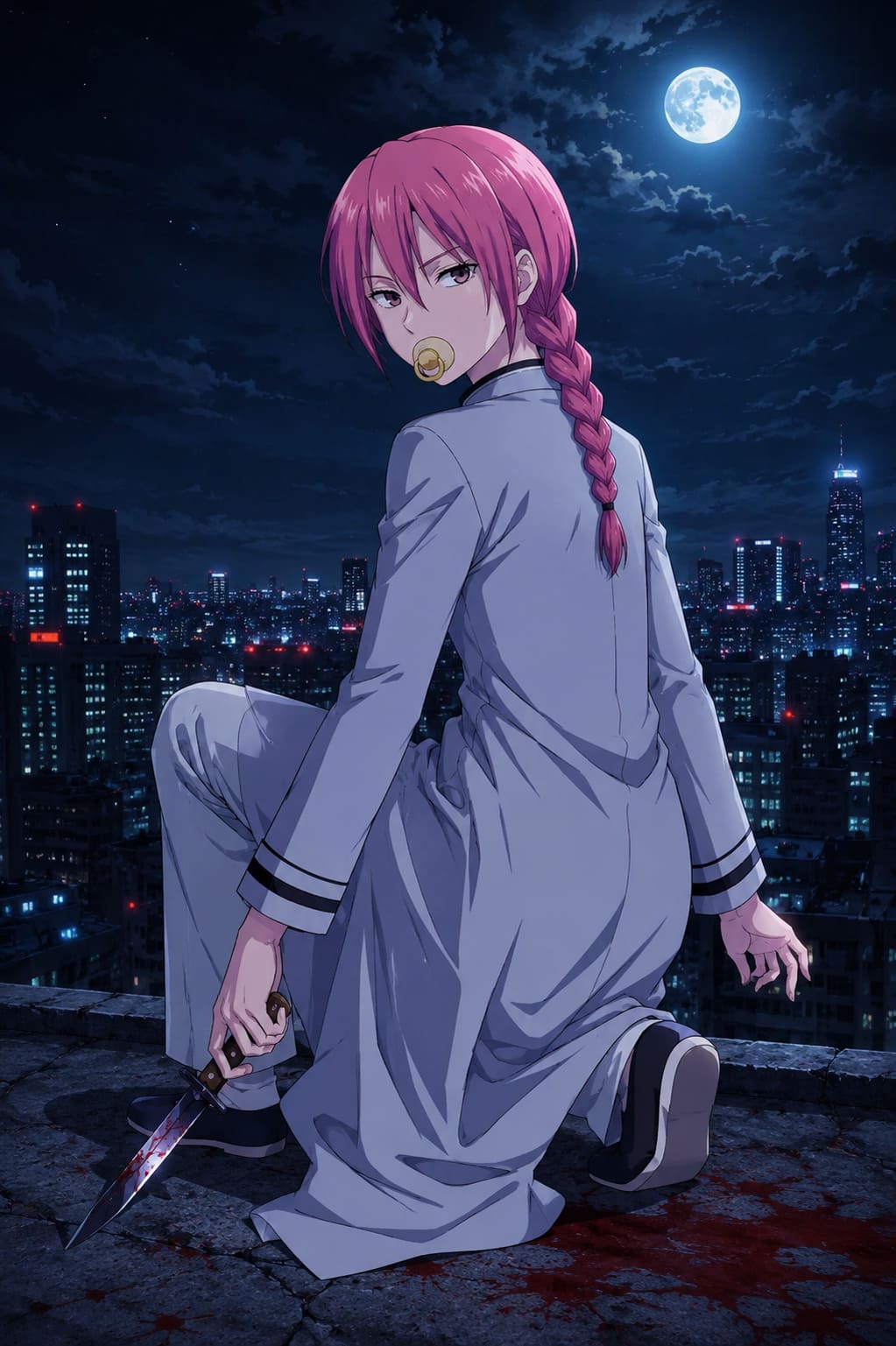
At the end of the day, Shin succeeds because he feels unpredictable.
- Emotionally awkward teenager.
- Terrifying assassin.
- Comedy machine.
- Loyal friend.
Sometimes he shifts between all of those roles within the same chapter.
That balance is incredibly difficult to pull off, but Kill Blue manages it better than most modern shonen series.
Shin represents everything that makes the manga unique: absurd comedy, stylish action, emotional sincerity, and bizarre creativity.
Unlike many rival characters who become repetitive over time, Shin keeps evolving in ways that stay entertaining.
Final Thoughts
Shin Kohazame could have easily been a one-note joke character. Instead, he became one of the strongest reasons people keep reading Kill Blue.
His design is ridiculous. His weapon choice is absurd. His social skills are catastrophic.
But somehow, all of those elements combine into a character that feels fresh, lovable, and genuinely unforgettable.
Whether he’s launching tactical pacifiers at high speed or panicking over a cooking assignment in the Home Economics Club, Shin constantly brings energy to the story. In a crowded shonen landscape filled with copy-paste rivals, he actually feels original — and that’s probably the biggest compliment a modern anime character can get.